








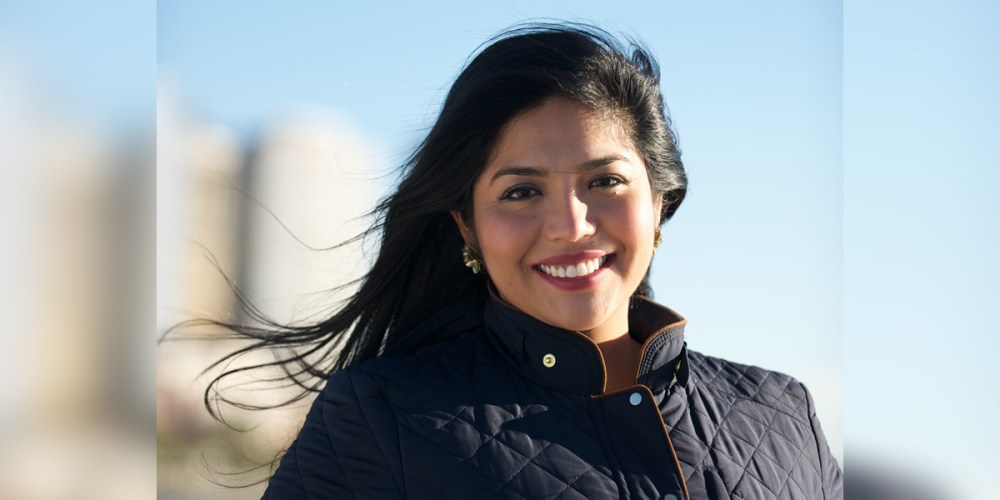
Julissa Arce had big dreams as a teenager growing up in Texas. She studied hard and earned stellar grades in school. She planned to go to college. But before that, she wanted to have her quinceañera in Mexico, where her parents grew up.
That’s when her mother broke life-changing news: Arce’s visa had expired. She couldn’t go to Mexico, or she wouldn’t be let back into the U.S.
“We all sort of remember the moment that we found out we were undocumented … I didn’t really understand what that meant at that moment,” said Arce in an interview with Know Your Value’s Daniela Pierre-Bravo, who also discovered she was an undocumented immigrant as she was applying to college.

“It wasn’t until I was applying to colleges that I realized that being undocumented meant that there were certain opportunities and certain doors that were going to be closed for me. Regardless of how well I had done in high school, college was still not something that was accessible to me,” Arce added.
Arce lied about her immigration status and climbed the Wall Street ladder to become a vice president at Goldman Sachs and Merrill Lynch. The success, however, was accompanied by debilitating panic attacks, as she feared her status would eventually be found out.
“I didn’t want to tell anyone about my immigration status. And I remember my mom saying, ‘Don’t tell anyone because they could use it against you.’”
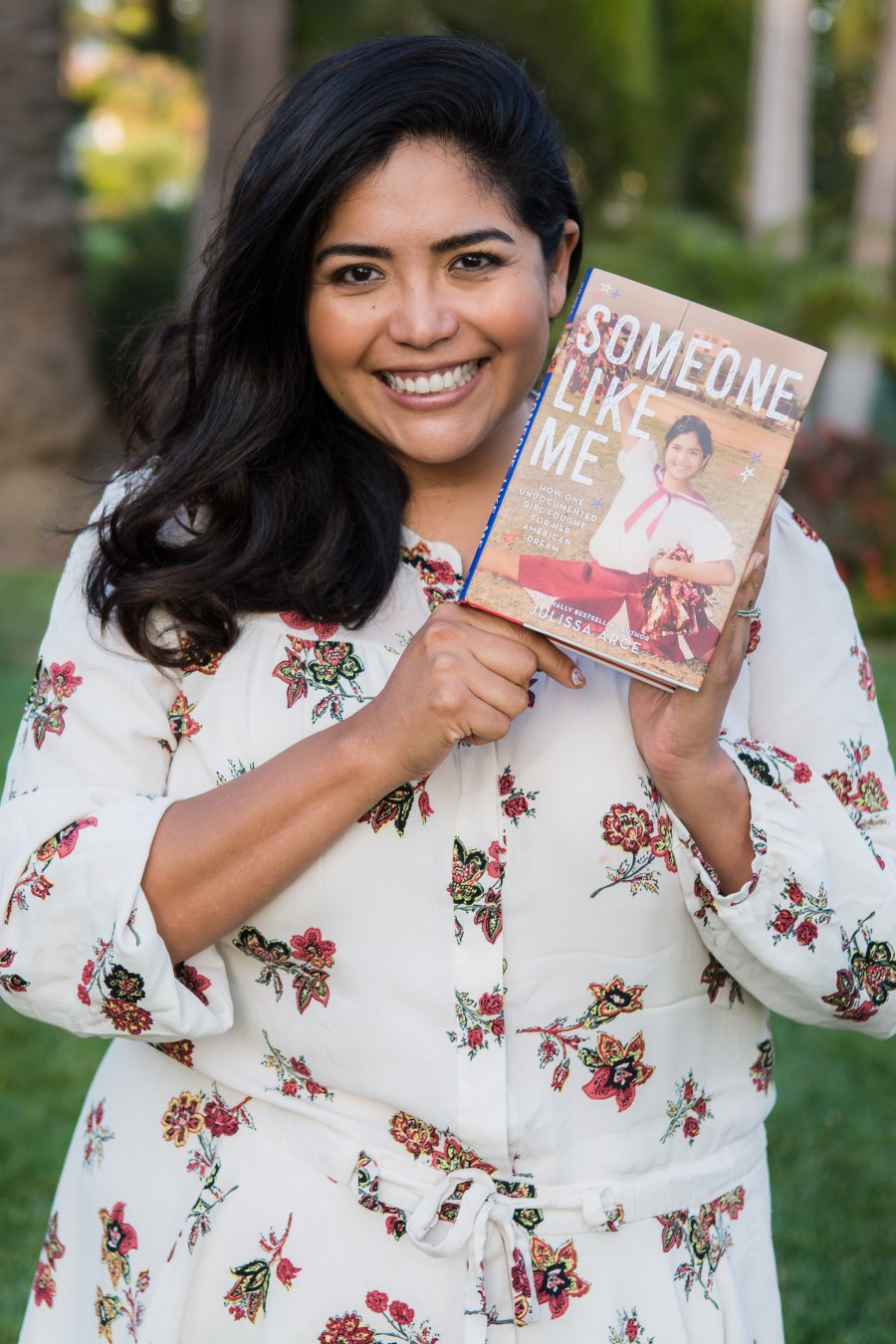
Arce is now the bestselling author of “My (Underground) American Dream” and “Someone Like Me,” in which she wrote about her experiences. She’s also the co-founder and chair of the Ascend Educational Fund, which provides scholarships to immigrants regardless of their status, as well as career mentorship and sponsorship. In 2009, she married a U.S. citizen and became naturalized.
“Some of the trauma of being undocumented, I’m still dealing with,” she said.
In honor of Hispanic Heritage Month, Arce offered advice to undocumented immigrants looking to live their dreams in the U.S.
Seek sponsors and mentors.
Arce rose in her Wall Street career thanks to a supportive environment.
“I was very fortunate because my team was a little unusual for what teams look like on Wall Street,” said Arce. “My boss was a woman, all the vice presidents on my team were women. So I had a lot of examples and role models to follow of strong women who were doing their thing and making things happen.”
While not everyone will be as lucky, Arce strongly suggests finding sponsors and mentors however you can. “It’s really important to get a mentor and a sponsor,” said Arce. “A mentor is someone that you can go for advice that you can be real with, that you can say, ‘I’ve messed this up. Can you help me?’ A sponsor is someone who can help your career forward.” In order to become a VP on Wall Street, Arce proactively sought feedback from her bosses. “I asked for a lot of feedback, like every six months I would go to my boss and I would say, ‘What are the things that I could be doing better?’ And I always used to use this phrase which was, ‘How can I make your job easier to promote me?’” said Arce. “And then once she would tell me what those steps were, I would check in six months later and say, “Here are the things you told me I needed to do. This is how I’ve approached doing those things. How am I doing? Am I on track?” It was hard for her to feel confident in her career since she was harboring a secret. Today, some undocumented people can work legally if they have a DACA permit. Regardless, Arce said it’s important to hold your head high. “I’ve definitely had felt imposter syndrome in my life. There are times even now when I think, ‘Am I even qualified to be here or to be speaking about these things?’… But I think I try to remind myself of a couple of things. One is to try to remind myself that I’ve made it this far, and that the skillset and the talents that I have is what has helped me to get this far. “Just be confident in yourself and remind yourself…that you have everything you need to succeed.”
Halley Bondy Recommended


Seek feedback proactively.
Be confident.
