








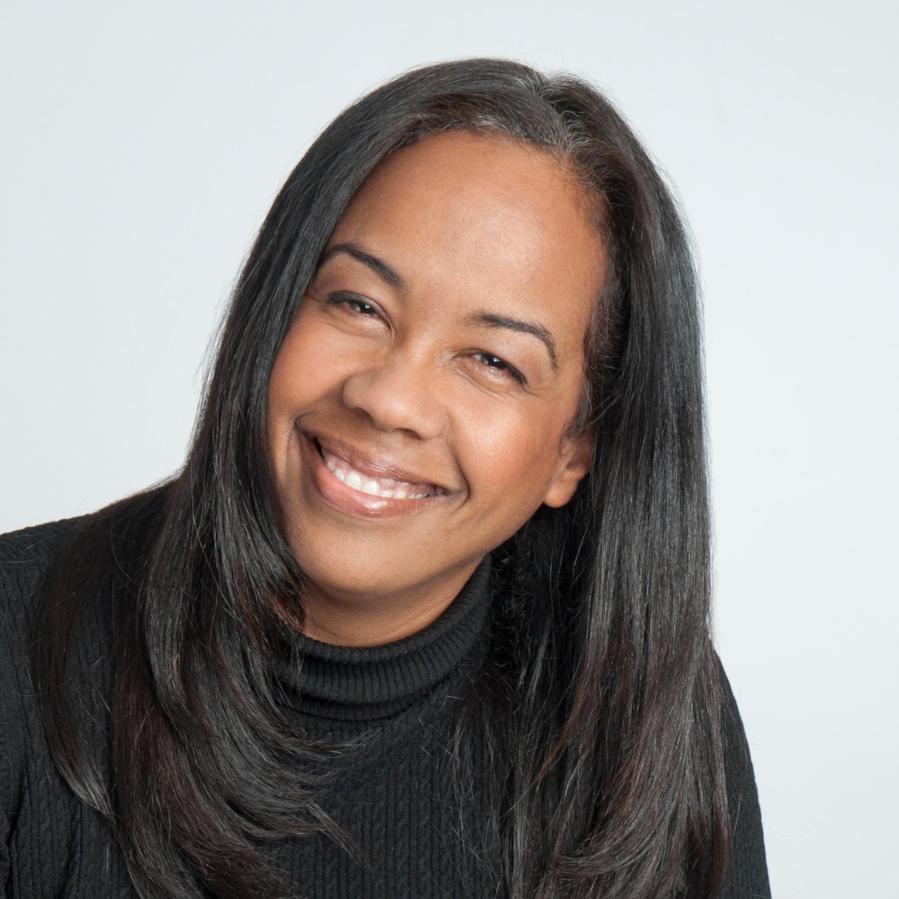
In her role as chief inclusion officer at Endeavor, Alicin Reidy Williamson works to position the global entertainment, sports and content company as a thought leader around diversity.
So, as America wrestled with a racial reckoning following George Floyd’s 2020 police killing, she had a light bulb moment. Why not make Juneteenth — the oldest known commemoration of slavery’s end in the U.S. — a paid company holiday?
Admittedly, the task of establishing a new holiday for the company’s U.S. employees wasn’t initially on her executive calendar or to-do list. “But I was surprised how easy it was to make it happen,” she said.
Williamson credited Kerry D. Chandler, Endeavor’s Chief HR Officer, with “wholeheartedly” embracing the concept when it was presented. Among the highest-ranking Black women within the organization, they mutually agreed that commemorating Juneteenth felt both timely and important.
“It was part and parcel of how we understand American history,” Williamson told Know Your Value.
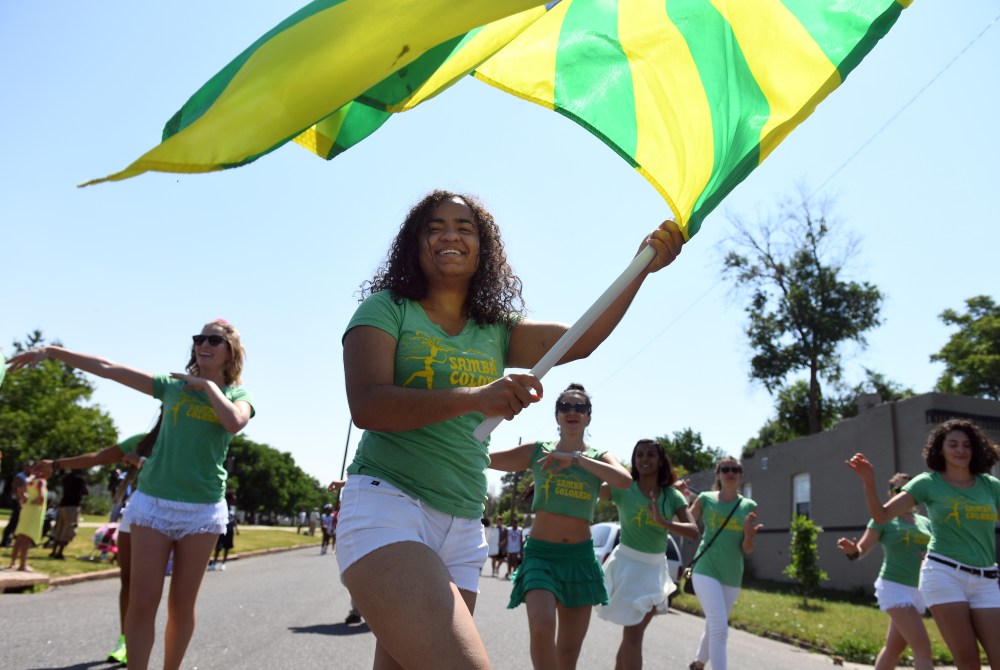
On June 19, 1865, Major General Gordon Granger of the Union Army arrived in Galveston, Texas, announcing freedom for the state’s enslaved population of 250,000 men, women and children. Yet the news came belatedly, nearly two-and-a-half years after Abraham Lincoln signed the Emancipation Proclamation. Subsequently coined Juneteenth (melding the words `June’ and `nineteenth’), the day was first celebrated in the Texas state capital in 1867 under the direction of the Freedmen’s Bureau.
Like Endeavor, a number of major companies — General Motors, Target, Starbucks, Ford, Allstate, Google, Lyft, Uber, Nike, JPMorgan, Twitter and the NFL, to name a few — have decided to observe Juneteenth.
And there’s been a decades-long push by advocates and lawmakers alike to make Juneteenth a federal holiday. Data released last summer by the Harris Poll concluded that two-thirds of Americans support such efforts.

Just this week, the U.S. Senate and House overwhelmingly passed a Juneteenth bill and President Joe Biden is scheduled to sign the bill into law Thursday afternoon.
The dialogue around systemic racism “led to many companies marking Juneteenth by either making the day a paid holiday, a day of service, matching employee donations to social justice organizations, or encouraging moments of reflection or silence,” said Rae Robinson, managing director and chief equity and inclusion officer at SKDK, a consulting firm. She leads the company’s multicultural communications and engagement practice, working with companies and nonprofits committed to advancing racial, social and economic justice.
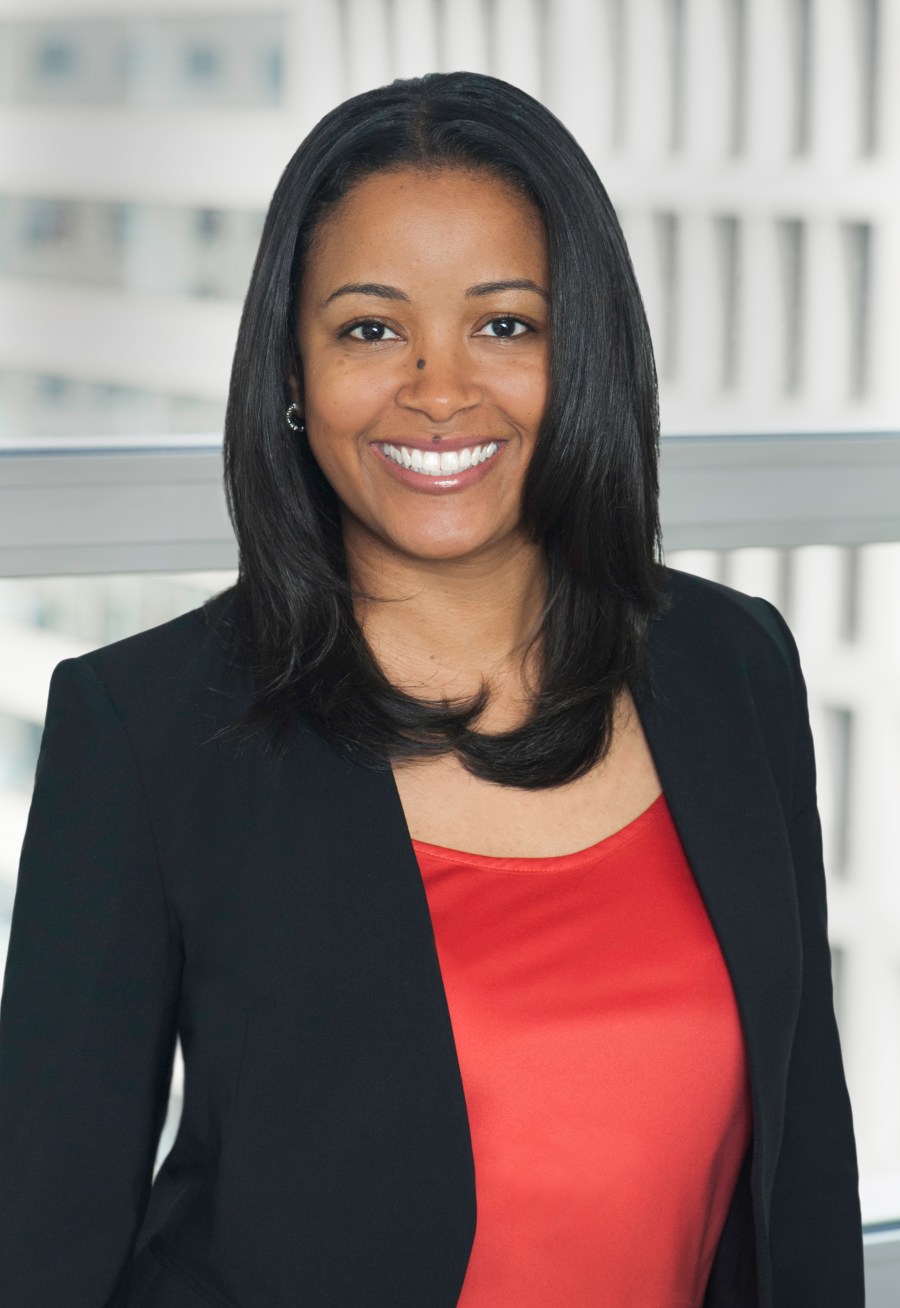
“This was new, not only because many were unaware of Juneteenth and the significance the day holds in American history,” Robinson added. “But because the conversations around whether companies instituted a holiday or took other steps to recognize the date helped further conversations about the sustainability of companies’ DEI efforts that were tied so closely to Mr. Floyd’s murder.”
Blue Cross Blue Shield of Massachusetts is among the companies that is recognizing Juneteenth for the first time this year as an official paid company holiday. In a press statement, Stephanie Browne, vice president of talent acquisition and chief diversity and inclusion officer, said: “We’re offering education and reflection time for our employees to underscore our company’s commitment to working toward racial equity and justice.”
In addition to paid time off, Blue Cross is offering employees a chance to “learn and serve” with several different events, including a dialogue on the history of Juneteenth featuring L’Merchie Frazier, director of education and interpretation for the Museums of African American History in Boston and Nantucket. There will also be a virtual volunteer event with Art for Social Equity benefitting National CARES, a nonprofit led by former Essence Editorial Director, Susan L. Taylor, that serves youth of color through mentorship. This year, because Juneteenth falls on a weekend, Endeavor employees will get Friday off with pay. Williamson views it as a “day to learn, reflect and participate in discussions.” Companies “are always weighing the costs associated with speaking out on social issues, ” Robinson said. “But now more corporate executives are beginning to understand that the price of their silence is far greater.” “Silence was not an option last year, nor was ignoring the longstanding impact of partial freedom on Black people across the country. The willingness and ability to navigate conversations about race and racism are essential to leadership,” she said. “We cannot ignore these conversations because they are too hard; and when we do come together, we have to hold space for a range of emotions. And if we are making a commitment to address systemic racism and to becoming anti-racist, we have to first be open to addressing the bias within our own organizations. Our employees know the difference between performative allyship and authentic leadership.” Endeavor did “a global pulse check” last summer to better understand how employees were “experiencing” the company. “It’s been a time of deep reflection,” said Williamson, made even more urgent due to current events. She noted that bias awareness trainings have been taking place since 2020. The company started with senior executives and plans to expand efforts this year to all employees worldwide. Endeavor has also launched employee resource groups, open to any team-member who wishes to participate. Williamson, who’s held prior C-Suite roles at MTV Networks and Viacom, as well as The Raben Group, has found anti-bias training revelatory herself. “I attend every bias awareness session and find new insights particularly from the participants every time. It makes us smarter humans and better leaders.” Bringing Juneteenth to the Endeavor team has elicited a sense of satisfaction and growth. “I do this work for a living,” she said, “and I never stop learning.”
Donna M. Owens Recommended


