








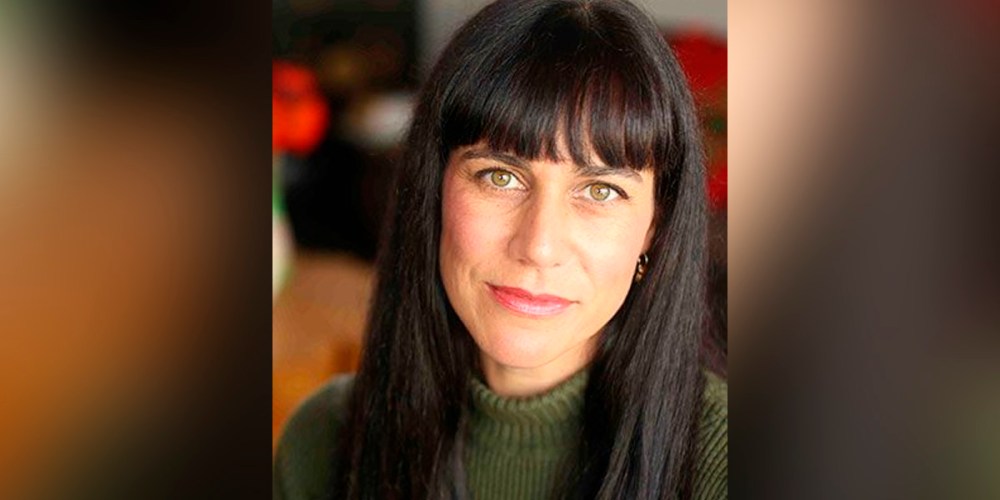
On a summer evening 10 years ago, Chanel Reynolds was at a barbecue at her friend’s house with her 5-year-old son when she checked her phone and discovered several missed calls and voicemails. Her young, athletic husband Jose had been hit by a van while cycling. “It sounded really bad to the point that I didn’t know if he would be dead or alive when I got there,” Reynolds said.
From that very first moment, Reynolds, who is author of “What Matters Most” and the founder of Get Your Shit Together, realized that she didn’t have the contact information of her husband’s father to alert him of the news.
Overall, she felt wildly unprepared for what she was about to encounter in the days, weeks, months and years to come. “In a split second, I went from living a normal life to getting my world pulled out from underneath me,” she said.
After a week in a coma, Reynolds’ husband passed away. “There were a number of things we did half right, and those things that were a detail or two away were the things that made a hard time harder,” Reynolds said. “It was a very fast and very steep learning curve that when something happens and life goes sideways, all of a sudden you go from looking at life one way to not knowing the answers.”
Reynolds explained that in her case, it was an out-of-the-blue catastrophic event, but many people feel that same side swept feeling when a parent gets ill or they get a bad health diagnosis.
Reynolds also admitted: “Had I taken care of just a few things in advance… the pain and suffering of losing my husband, that was something I had to deal with, but I could have had much less stress or been more financially secure.”
Below are some of Reynolds’ tips to better prepare for a catastrophic event that could permanently change your life.
Take a good, hard look at your finances
Reynolds suggests taking a real look at your finances, priorities and values and then making an action plan to reach those goals. “We tend to put a lot more time and rigor into our diet plans than our retirement plans,” Reynolds said. “We might know that we are gluten intolerant, but we don’t know the interest rate on our credit cards.”
A focus on finances and seeking out the help of a financial advisor could go a long way for having an emergency fund set aside for the unexpected, having the appropriate life insurance policy or a college fund for your child’s education. An emergency fund is particularly important because there might come a time when you need to get a plane ticket to visit family if something urgent happens or know that you can take a couple days off to help someone or wait for a diagnosis. “Six months of expenses is the recommended amount, and this really helps people feel like they have a little more space to show up and be present,” she said.
“Women are hit harder when a tragedy strikes,” Reynolds added. “We already make only 80 percent on every dollar that men do, and that extra money is money that we could be putting into a retirement fund or a college fund.” Then, she explained, women are more likely to take on caregiver roles, taking time off to care for a child or an aging parent, which is less time they have to devote to their careers. All of this is why a sound financial plan is paramount.
It’s important to create a will, as well as a living will, which details your desires regarding medical treatment in circumstances where you are no longer able to express informed consent. Furthermore, you should create a power of attorney document, which is a document that appoints a person to manage your affairs if you become unable to do so. With these measures in place, loved ones won’t be left to guess about your wishes and your intentions are made clear and can be carried out exactly the way you wanted. “This is also really important for aging parents or for those who start to suffer from dementia,” Reynolds said. Reynolds realized when tragedy struck that she didn’t have some important passwords, such as the one to access her husband’s photos. It’s helpful to share passwords or keep a password manager than others can access if needed. “Know the passwords on your partner’s phone, email, social media accounts, banking accounts, anything that’s super important like finances to not urgent at all but still needed, like Netflix,” Reynolds said. This one is fairly straightforward: Ask your partner and loved ones about who they would want you to reach out to in the event that something tragic happened. Have these names and their contact information on hand so that you can be prepared and the loved ones have enough time to make travel arrangements if needed. Create a backup plan for children, pets and anyone you might be a caregiver to, Reynolds recommended. She explains that she lives in Seattle, which is earthquake territory. To be better prepared for an emergency situation, she has a plan in place in the event that she couldn’t cross the bridge to get back home. There’s a spare key for her son if he needs to get in the house, a neighbor who knows that he will go to his house if she’s not there and a friend who is signed up to pick him up at school in the event of an emergency. “An emergency plan will give you a better way of knowing what happens next and will allow you to think more clearly,” Reynolds said.
Renee Morad Recommended


Create a will, living will and power of attorney
Keep track of all passwords and online accounts

Make an emergency list of contacts
Have a backup plan for the people you care for
