








This article originally appeared onInvest in You: Ready. Set. Grow., a CNBC multiplatform financial wellness and education initiative, in partnership with Acorns.
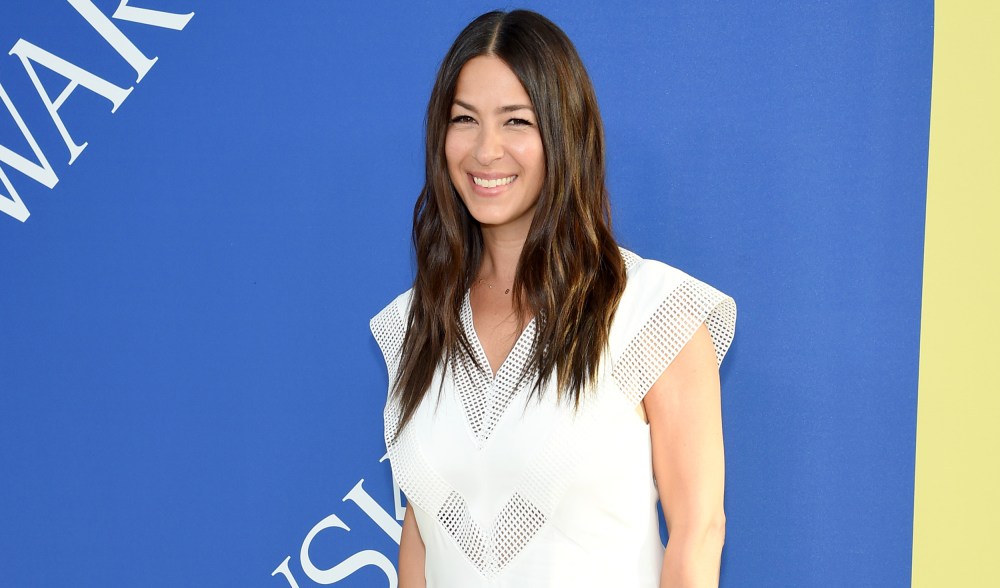
Fashion designer Rebecca Minkoff is on a mission to help female entrepreneurs through the coronavirus pandemic.
“Right now is a trying time for small businesses and women in general,” said Minkoff, 39, and the co-founder and creative director of her own fashion line.
“We already are set up, you know, making 80 cents on the dollar — women of color, almost half that,” she added. “So as things are drying up, we’re being hit proportionally in that way.”

Many businesses are trying to find ways to survive.
Almost a third of small-business owners have had to close their in-person business operations because of government regulations put in place as a response to the pandemic, according to the latest CNBC|SurveyMonkey Small Business Survey. In addition, 23 percent have temporarily closed their entire business.
Looking toward the future, 38 percent of small-business owners expect changes in government regulation to have a negative effect on their business in the next 12 months. That’s the highest it’s been in the more than three years the survey has been conducted.
Minkoff, however, is trying to be optimistic.
“There is a silver lining,” she said.
“As a small business, you are more nimble, you can bob and weave a lot quicker,” added Minkoff, who resides in Brooklyn but is currently quarantining in Long Island, New York with her husband and kids.
“You’re not held like these huge corporations are with legacy debt with massive leases with huge amounts of real estate that you can’t pivot as quickly.”
That’s what Minkoff is trying to do with her company now, since she lost 70 percent of her business with the temporary closure of department stores.
“You have to be a fighter,” she said. “You should not think that you are not an essential business.”

That may mean finding a new way to attract customers or coming up with a new service or product. For instance, some businesses have started making much-needed face masks and distilleries have been producing hand sanitizer. Or, those who sell products through stores will have to find ways to do it direct to consumer, as Minkoff has been doing via her social media accounts and website.
“There’s a way to market and talk to your consumer and still thrive and persist as a small business,” she said.
Being a mentor to other entrepreneurs is not a new role for Minkoff.
In 2018, she co-founded the Female Founder Collective, along with entrepreneur and angel investor Alison Wyatt, to empower women business leaders. The organization has teamed up with Ladies Get Paid to start the Support Your Ladies directory of women-owned businesses. Most recently, the Female Founder Collective has partnered with UBS to launch Project Entrepreneur’s Investment Readiness Program, aimed at addressing the gap in venture capital awarded to women. Initially meant to be an in-person summit in New York, it is now being held virtually with the nearly 50 female entrepreneurs chosen to participate. Another program will be held this summer in Los Angeles, as will summits in select U.S. cities. “Less than 3% of venture capital actually goes to women, which is a crazy stat,” said Female Founder Collective co-founder Wyatt. “We’re hoping to change that ratio, and give women the networks that they need in order to do so.” Minkoff is hopeful the program will help women survive this trying time. “I didn’t go to Harvard. I didn’t go to Wharton. I launched my business with a passion. That’s how so many small businesses are launched.” Minkoff said. “If we were able to connect you with advisors, and mentors and teachers who can give you this underlying education … then that would be a very valuable thing to give women a true leg up.” In the end, the persistence of small-business owners will do more than just help their own company make it to the other side of this, Minkoff said. It’s about making sure there is an economy left. “The economy needs us all to survive,” she said. Disclosure: Invest in You: Ready. Set. Grow. is a financial wellness and education initiative from CNBC and Acorns, the micro-investing app. NBCUniversal and Comcast Ventures are investors in Acorns.
Michelle Fox, CNBC
Michelle Fox is a digital producer for CNBC. Recommended


