








During the 2020 presidential race, the country witnessed a historic milestone. Six women ran for the Democratic presidential nomination – more than ever before – and the majority of them had long, distinguished careers in public service.

There was Sen. Elizabeth Warren, D-Mass., Sen. Amy Klobuchar, D-Minn., former California Attorney General Kamala Harris, Sen. Kirsten Gillibrand, D-N.Y., Rep. Tulsi Gabbard, D-HI., and author Marianne Williamson. But in end, none of them made it to the final contest.
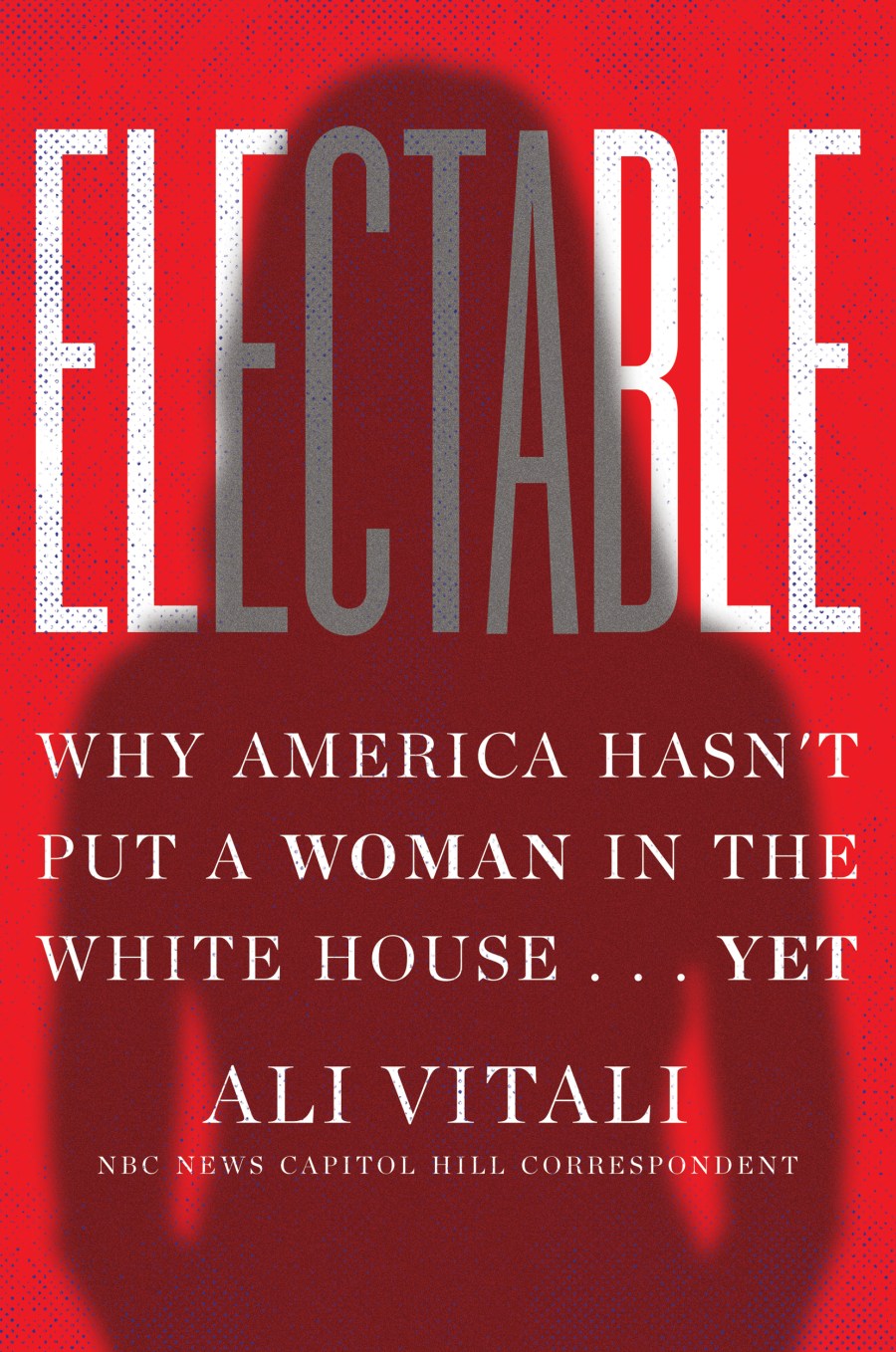
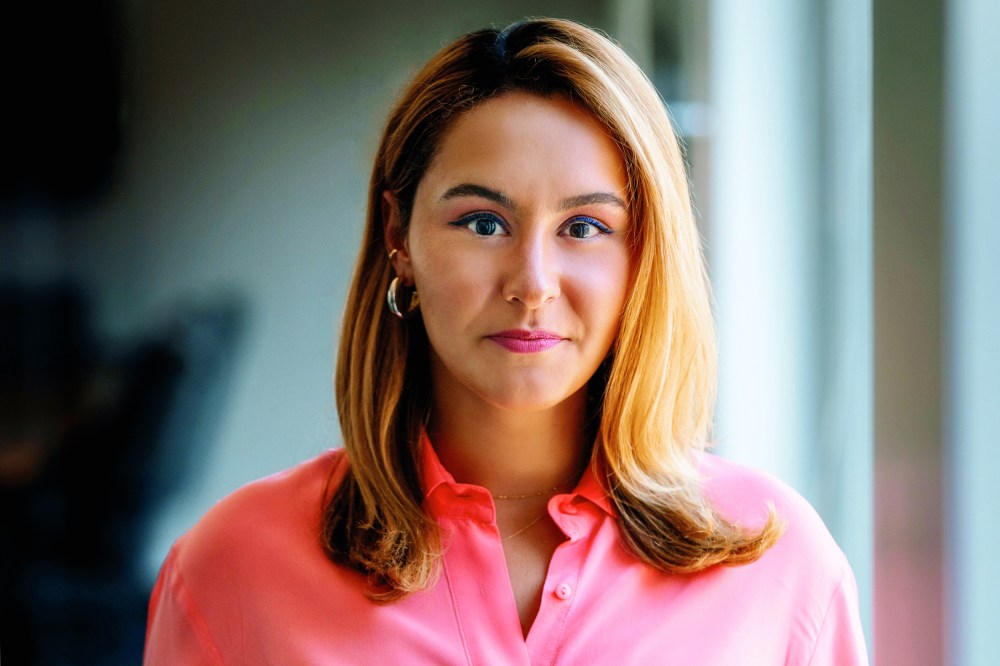
NBC News and MSNBC Capitol Hill correspondent Ali Vitali, recounts the play-by-play moments that led to this outcome during her time as a political embed reporter with many of the female candidates in her new book, “ELECTABLE: Why America Hasn’t Put a Woman in the White House … Yet.”
Part forensic analysis, part professional memoir, Vitali examines the election through the lens of gender, including the double standards that prevented these qualified women candidates from clenching the nomination.
“You’ve heard it before and you’ll hear it again,” she writes in the book. “It usually crops up around female candidates who are openly seeking power, showing their ambition, exuding the stereotypically masculine leadership qualities required to attain these offices but penalized for doing so. It sounds like, ‘I want to vote for a woman, just not that woman.’ Or, ‘I can’t quite place my finger on it, but there’s just something about her that I don’t like’ or ‘don’t trust’ or ‘can’t vote for.’”
Nevertheless, Vitali is optimistic that the country can – and will – put a woman in the White House. Know Your Value caught up with the Capitol Hill correspondent, who explains how we get to that reality, as “more cracks are put in the electoral glass ceiling, at the presidential level and below.”
Know Your Value: While we saw more women candidates running in the 2020 presidential race than ever before, you described how the “likeability” factor played an outsized role in the election. How so? What did you observe on the ground?
Vitali: It’s always a factor. From 2008 when Hillary Clinton was literally asked about this as a serious issue to overcome on a debate stage, to the first question Kirsten Gillibrand was asked by a male reporter on the day she launched her 2020 candidacy in 2019. It’s a gendered metric, for sure, but also one with big electoral impact.
As I write in the book, it’s not just nice to be liked for female candidates; research shows it’s essential for women to earn votes. That’s a big contrast with male candidates, who voters will vote for even if they don’t like them — a theme I saw play out many times in my conversations with voters around Donald Trump: they didn’t like how he talked or his style, but they’d vote for him anyway.
In talking to Secretary Clinton, Sens. Warren and Klobuchar and Gillibrand, former GOP candidate Carly Fiorina, as well as members of Congress, for this book all of them recognize the Catch-22 of this metric.
Know Your Value: What about the way performance bias played out in the last presidential cycle? In your time covering Warren, Klobuchar, Gillibrand and Harris, how did they respond to these dynamics?
Vitali: This was a consistent trend of the 2020 cycle: men campaigning on their potential and women bringing the receipts of their governance.
Warren displayed it through “having a plan for that.” Klobuchar talked about her bipartisan work and legislative credentials honed in Washington. Harris used her prosecutor’s background and Gillibrand campaigned authentically “as a mom” who’s campaign focused around family issues.

Potential is also the centerpiece of “electability”: men and women have to be given the benefit of the doubt that they can win because it can’t be proven…until it’s proven. Yet the women were still seen as risky choices, in part because despite winning their own marquee races over their careers, no woman had ever won the presidency.
Know Your Value: And when it comes to showing emotion or ambition, you mention how those perceptions could hurt women on the campaign trail, writing, “Politics tends to swat back, instead of reward, women who openly politick and make power plays.” What should ambition look like on a debate stage or campaign platform?
Vitali: It should look however is authentic for the women wielding their ambition on the stage. But that doesn’t mean there’s a knee jerk embracing of it from the public or the media. It is typically in these moments that voters or pundits find “just something about her” that didn’t sit right with them. And it’s why we often saw milestone debate stage moments cut for and against the women at the center of them. Know Your Value: How do you disrupt the gendered narrative that women – despite being qualified, capable and visionary – are unelectable for the presidency? Vitali: Voters elect them. They vote for them and then they win. Which I know sounds quaint and is anything but simple but that’s the plain fact: anyone can be electable if you choose to elect them and then ask your neighbors to do the same. Know Your Value: For women – specifically new or expectant mothers entering the political stage or aspiring to an elected role – what systemic inequities must be addressed to help level the playing field? Vitali: Thankfully some candidates are reshaping the electoral landscape in real time here. Katie Porter regularly reminds that she’s a single mom now serving in Congress. Abigail Spanberger talks about fighting to use campaign funds for childcare. Women being in these spaces remakes and reforms the system in real time — while also expanding the policy conversation once they’re elected to be more inclusive and better serving of more Americans. Know Your Value: How will the November midterms influence the potential for more women candidates in the 2024 and 2028 presidential cycles? Vitali: More women flooding the ranks of Congress and mayorships and Governor’s roles means more women notching wins on their resumes, proving their winning ability, and raising their national profiles — which lends to running viable, credible presidential campaigns later on. Among the good news and bright spots in this book is that both parties now have fuller pipelines than ever of women who could launch qualified campaigns. Meaning we’re not likely to see fields of only men, or tickets of only men anymore. It’s a metric of progress too slow in coming, but it’s happening nonetheless. Know Your Value: What do you hope this book will achieve for changing the way voters identify with and envision women as winning candidates for higher office? Vitali: Once you see bias and the way it impacts each candidate, it’s hard to stop seeing it. My hope in filtering the most recent campaign through a gender lens is that it levels the playing field for the next cycle. And I’m thankful to all the women who ran – and may run again! – for their candor in illuminating the realities of their experience. An experience that’s still too rare, but becoming less so with each new cycle and candidacy.
Bianca Brosh Recommended


