As the world watched King Charles III ascend to the British throne this past week following the death of his mother, Queen Elizabeth II, her 70 years as the country’s longest-reigning monarch marks the end of an era and the beginning of one that may not see another Queen of England again.

For most Britons, the 96-year-old sovereign was the only one they ever knew. An icon of duty, grace and stability, Queen Elizabeth ushered in the modern era for the United Kingdom – and became a symbol of what was possible for women.
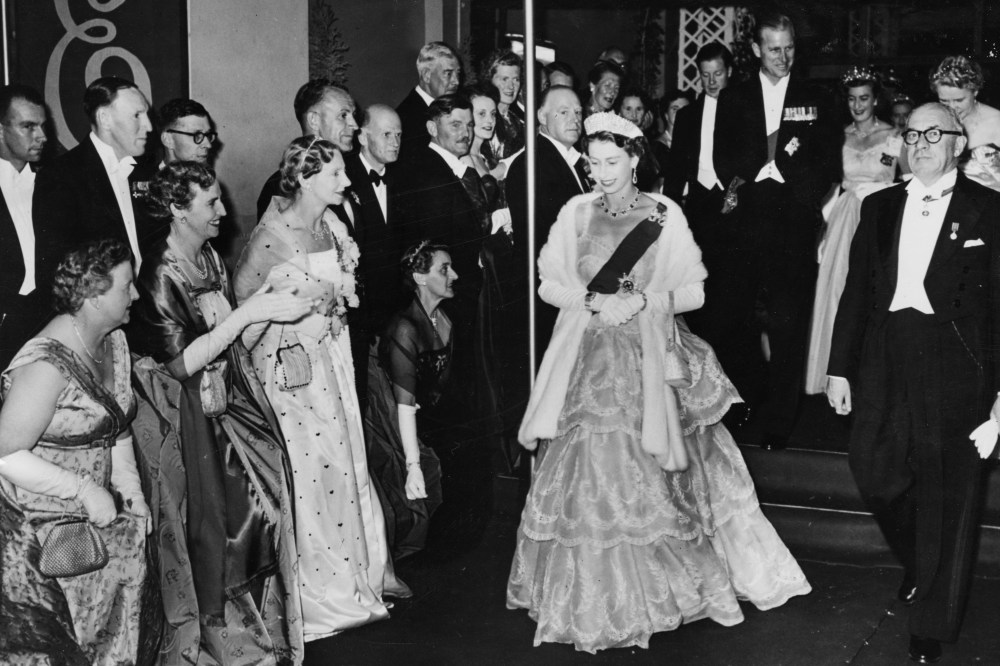
Initially, her rise to the sovereignty was anything but certain. When her uncle, King Edward VIII, abdicated in 1936, it created a path to the throne for then-Princess Elizabeth, where she was thrust into the role at just 25 years old, following the sudden death of her father, King George VI, in 1952.
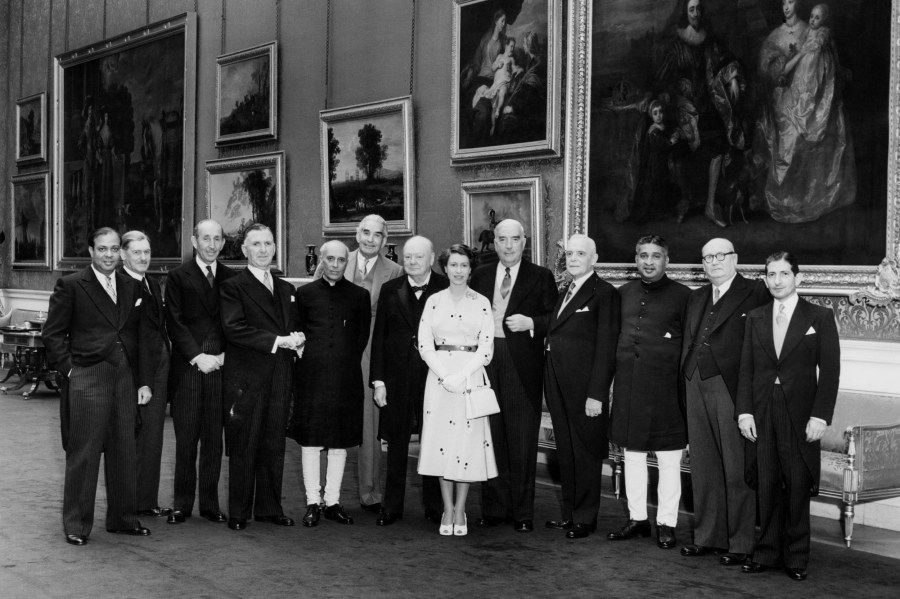
As a young head of state, she stood shoulder-to-shoulder with prime ministers, world leaders – nearly all of whom where men – during a time when a woman’s place was widely considered to be in the home, not the halls of power. Over the following seven decades as monarch, she worked with 15 British prime ministers and met every U.S. president except Lyndon Johnson.
While her role was largely symbolic – she avoided taking political stances – many heralded Queen Elizabeth II as a model of “quiet” feminism through her deeds more than words.
Know Your Value caught up with the BBC’s Katty Kay, who has covered the monarchy extensively and shares what the Queen’s legacy means for the next generation of women.
Know Your Value: Elizabeth became Queen at 25. Suddenly she was head of state and commander in chief of the British armed forces, meeting with PMs and world leaders during a time when these roles were mostly filled by men. What’s your impression of the example she was tasked with setting against the post-WWII backdrop?
Kay: Elizabeth never expected to be Queen and then never expected to become Queen so young. She thought she’d have a few more years of a more simple married life. And yet, from the day her father died, she didn’t falter. She was incredibly young, so commanding the respect of the older men in her staff could not have been easy.

She’d had no formal education for the role. What she knew she’d learned from tutors and watching her father. But she was keenly conscious of Britain’s post-war reality, having served briefly as a mechanic, and her wedding – far from being seen as an extravagance – left the nation enthralled. So, she knew she had the goodwill of the people. Her task was winning and maintaining the trust of her subjects and her staff.
Know Your Value: The Queen devoted her entire life to serving the monarchy and the Commonwealth. What does that devotion say about her and the values she upheld over the decades?
Kay: Her commitment to duty is the most singular thing about the Queen. It’s one thing to do endless, tedious official events for a 4 or even 8-year term, but she did it day in and day out for 70 years. It must have been exhausting. But she never let it show, which is the real definition of duty. It is also a reflection of her profound belief in the institution of the monarchy. My understanding is that her relationship with Prince Philip was a huge help to her.
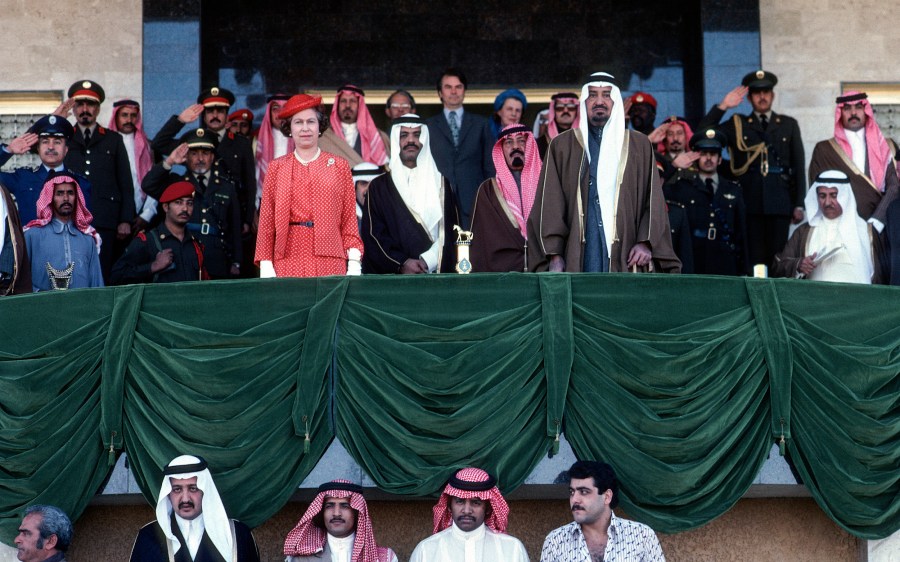
Know Your Value: Do you consider the Queen a feminist icon or champion for women? Kay: She’s a feminist icon by virtue of her position more than anything she said. She didn’t ever take a public stance on issues like feminism. But she was strong, and knew her own mind and made decisions about the running of the royal household – that was clear to women. She didn’t apologize. She always seemed at ease with her status, that in itself is empowering to other women. Know Your Value: Do you think Queen Elizabeth would have considered herself a feminist? Kay: I’ve no idea! I doubt it’s a word she’d have used but she knew that as Queen she was the most important member of her family, the others came under her, were literally her subjects. It certainly made her a powerful woman. Know Your Value: What does her legacy mean to you personally? Kay: There’s a story about the then-Crown Prince of Saudi Arabia visiting her at Balmoral Castle in Scotland and she offered to take him on a drive. Little did he know she would be doing the driving – and fast – in her Land Rover. I like to think it was a subtle dig at the monarch of a country where women were not allowed to drive by law. She would have been conscious of what she was doing. It shows her sense of mischief, but also perhaps her commitment to women’s rights.
KYV Editorial Staff Recommended