








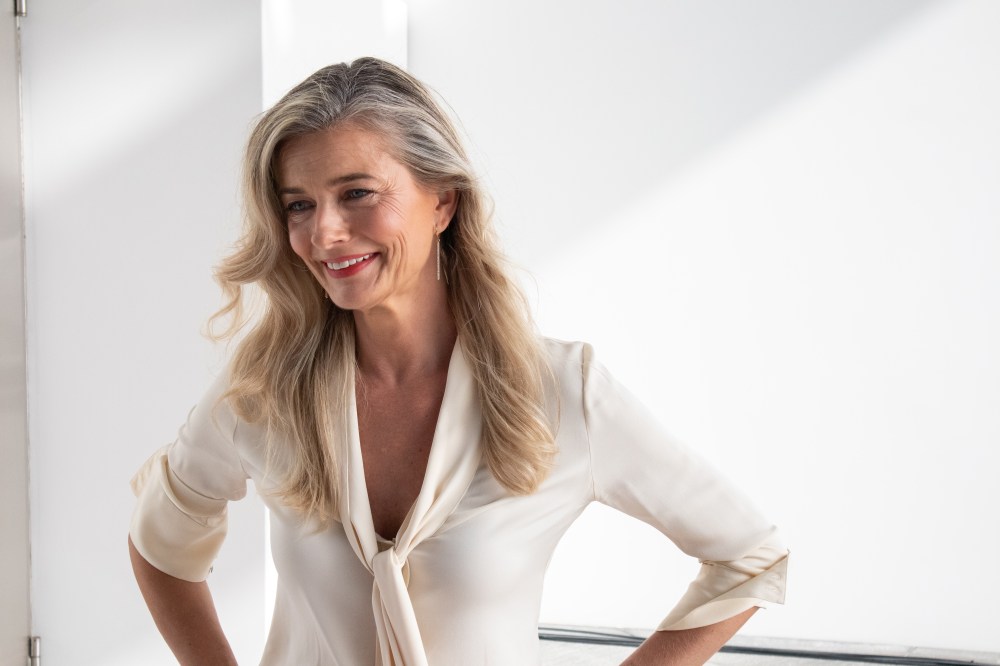
Paulina Porizkova is living proof that you can successfully rebuild your life – at any age.

Born in Cold War Czechoslovakia, Porizkova shot to supermodel stardom after she landed her first Sports Illustrated Swimsuit Issue cover in 1984. And as the face of Estée Lauder in 1989, she was one of the highest-paid models in the world. At 19, she fell in love with The Cars frontman Ric Ocasek, who was more than 20 years older than her. In the years to follow, she navigated her blossoming career, motherhood, marriage – and sadness, loneliness, the eventual divorce from her husband, and his subsequent death, which included the revelation of betrayal that he had cut her out of his will.
Porizkova, 57, is admirably honest about all of this in her new book “No Filter: The Good, the Bad, and the Beautiful.” In it, she writes about heartbreak, grief, beauty, aging, mental health and starting over after loss.
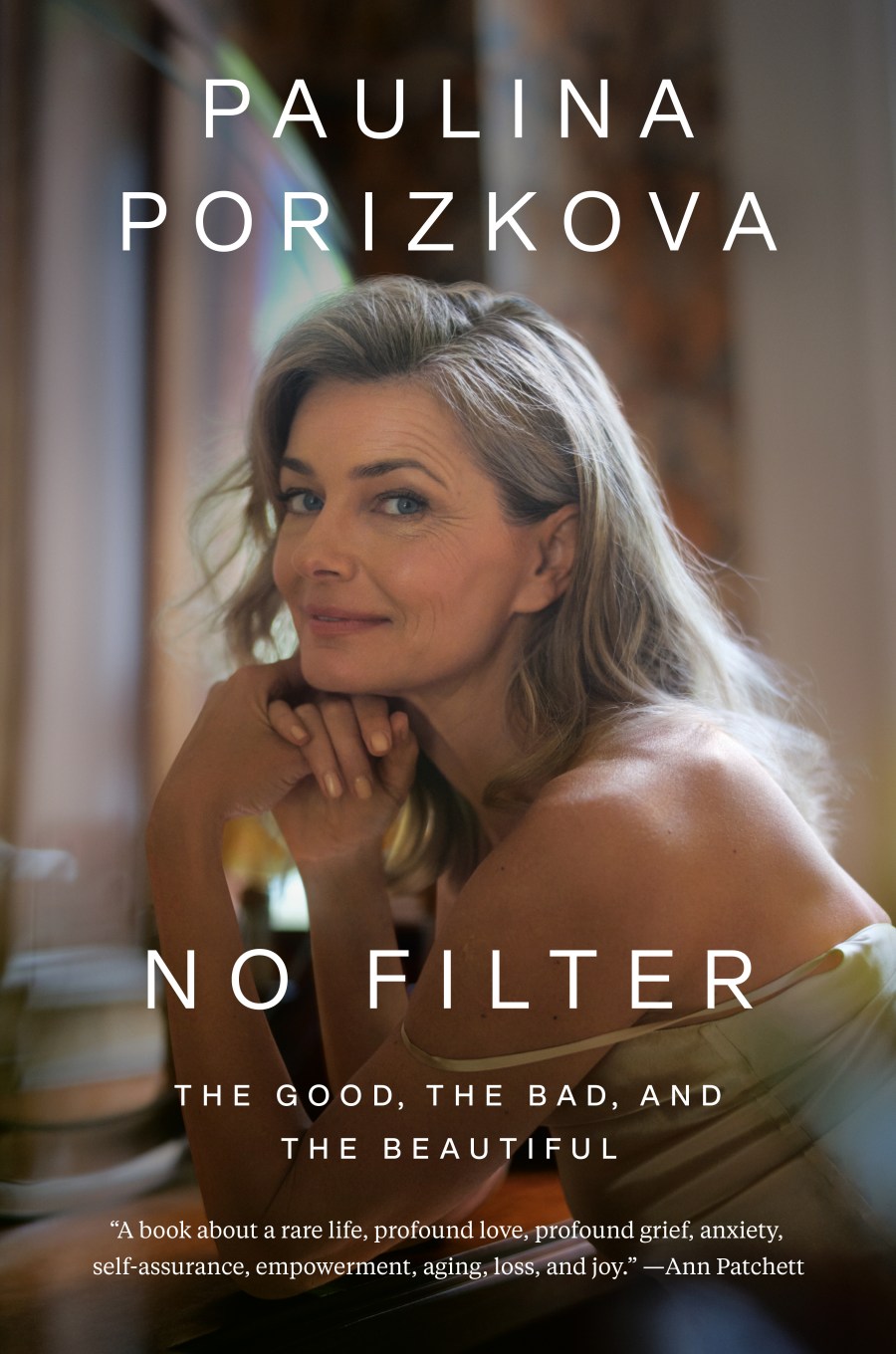
And starting over she has. Aside from her book, Porizkova was recently on the CBS reality TV show “Beyond the Edge,” where she slept on the jungle floors in Panama and endured many extremely physical challenges. She has also rediscovered her dating life, is working on pitching a new TV show and wants to write another book. But perhaps most importantly, Porizkova says she finally has found her voice.
“The beautiful thing about aging is that you discover your value as you get older,” said Porizkova. “…I don’t have to try to please so much just for the sake of being loved. I can rely on being who I am, and the love should come to me because of who I am and not because I’m trying to be somebody else or to please somebody else.”
Porizkova chatted with Know Your Value about navigating grief, the money advice she wishes she had known, why she wishes she had made more space for her career while raising children and more.
Below is the interview, which has been edited for brevity and clarity:
Know Your Value: In your book, you write about the complexities of womanhood at every age. At one point, you recount how a stranger at a club, not all that long ago, referred to you as the “crying lady on Instagram,” and how it was a big compliment because you finally felt like you were being heard instead of just being seen.
Anyone who follows you knows that you’ve really taken to social media, giving us an unfiltered view of all the ups and downs in your life. You talk about everything from grief, to loneliness, to aging. How did you find the freedom to share so much, and how did it help you with your own healing?
Porizkova: I feel like it almost honestly kind of saved my life to a certain extent, because I didn’t start posting the vulnerable posts until a pretty severe tragedy [the death of my husband] occurred in my life. And I was in such a deep, dark space and I was so utterly and hopelessly lonely. And I couldn’t see any lights … I felt like I was just thrown out into the middle of the ocean in the storm at night. And I had no way. I had nowhere to go. I didn’t know where I was going. All of my energy went into just staying alive, quite literally. And so, my first vulnerable posts were really me tossing little bottles with little “help me” notes into the ocean because I was desperate.
Before my husband died, I was on Instagram just sharing regular kind of day life. That was no big deal, and I didn’t have particularly many followers. And then after my husband died, things changed a lot on many different levels. People found my little bottles, people that were also suffering, people that also had lost loved ones or that were going through divorces. Covid was raging and we were all alone. All of us were alone. And so, we sort reached out to each other across the internet and then created this space where we could connect. And it saved me.

Know Your Value: Let’s talk about the motherhood-career juggle. You write that you never regretted prioritizing your children over your career, but you wished you made more space for your career. You noted that you didn’t take on certain jobs and that when you did, you had to make sure that it didn’t conflict with your then-husband’s work schedule. Looking back, what exactly would you have done differently?
Porizkova: …I would’ve taken on a lot more work. I would not have sacrificed my career to the extent that I did. I would have still pulled back, because I obviously don’t regret spending the time with my children. But it turns out that when I asked my children, “Who do you think was a more present parent?” They said, “Oh, it was about equal.” And I almost fell off my chair. I went, “Oh, OK. So I really could have rested a little bit more or done a little bit more of my old stuff because clearly my children did not feel a lack of parenting from either me or my husband.”
So yeah, it just made me realize how as women we are made to think that we need to be present at all times in order for our children to grow up well. Otherwise, you’re a bad mother. You’re ashamed if you’re mothering too little, but you get shamed if you’re mothering too much and you actually can take it a lot easier … As long as you love your children and you listen to them and you validate their feelings, they’ll be fine. Know Your Value: In the book you go into detail about your marriage and the betrayal you went through. I’m curious to know what strategies helped you deal with such enormous amounts of both grief and betrayal at the same time? Porizkova: There is no freaking strategy. That’s the problem. If there was one, I’d write a book on strategy, how to deal with it … The only thing that gives you relief is time. And that’s also the hardest thing. It’s just day to day. I think the thing that I want to put out into the world is not for the people who grieve and who are going through trauma and all that. There’s nothing you can do to help them…If anything, it sets you back or it makes the grievers feel like they should stop grieving or that there’s a time limit or that their grief is not being validated. If you have a person in your life who’s grieving, just stand by. All you need to do is hold their hand and say, “I’m here. I hear you. I’m sorry.” Know Your Value: You also talk about discovering after your husband’s death that he had cut you off completely out of his will. If you could go back in time, what are two or three pieces of money advice you wish you had known? Porizkova: Always be aware of your money. Have a separate bank account from your husband. Look over your financials and do not think that because you’re taking care of everything else, he will do the right thing for you. Because if things go to sh–, which they may, hopefully they won’t, but if they do, you will be left out in the desert having no idea what happened. Do not give over the responsibility for yourself to somebody else… And I think this is a great idea. I think if you are going to be a stay-at-home mom, which is a totally worthy task, you want to spend the time with your children, you wanna be around you and your husband, agree that this is what you’re gonna do while freaking still have your own bank account and be paid for being a stay-at-home mom. Get a salary for everything that you’re doing … We all know that it’s a full-time job. And if something does happen down the line, you’re protected. Know Your Value: You make a point in your book to say that every woman, no matter their age or their shape is beautiful on the outside. But you write that you don’t always feel that way about yourself. Tell us about your journey of self-acceptance and is there anything about getting older that scares you? Porizkova: …No, I don’t think so. I don’t. I am. I’m really, look, not always. I don’t always find myself beautiful. Sometimes I think I look old and tired, and you know, always compare … And I look at my peers and I’m like, “Oh, she has a smoother forehead” and “She doesn’t have under eye bags.” … But then I look at myself and I think, “But this is me. This is who I am. This is my age … I’m kind of fully embracing who I am as a person and I’m going to work hard on my faults and on my shortcomings and new ones crop up sometimes…I’m still struggling with acceptance, but I’m trying really hard. I do have days where I look at myself and I think “You should be proud of this.” Just like you are proud of having survived everything you’ve survived until this point. You should be proud of this space and the body that has brought you to this point.Recommended


