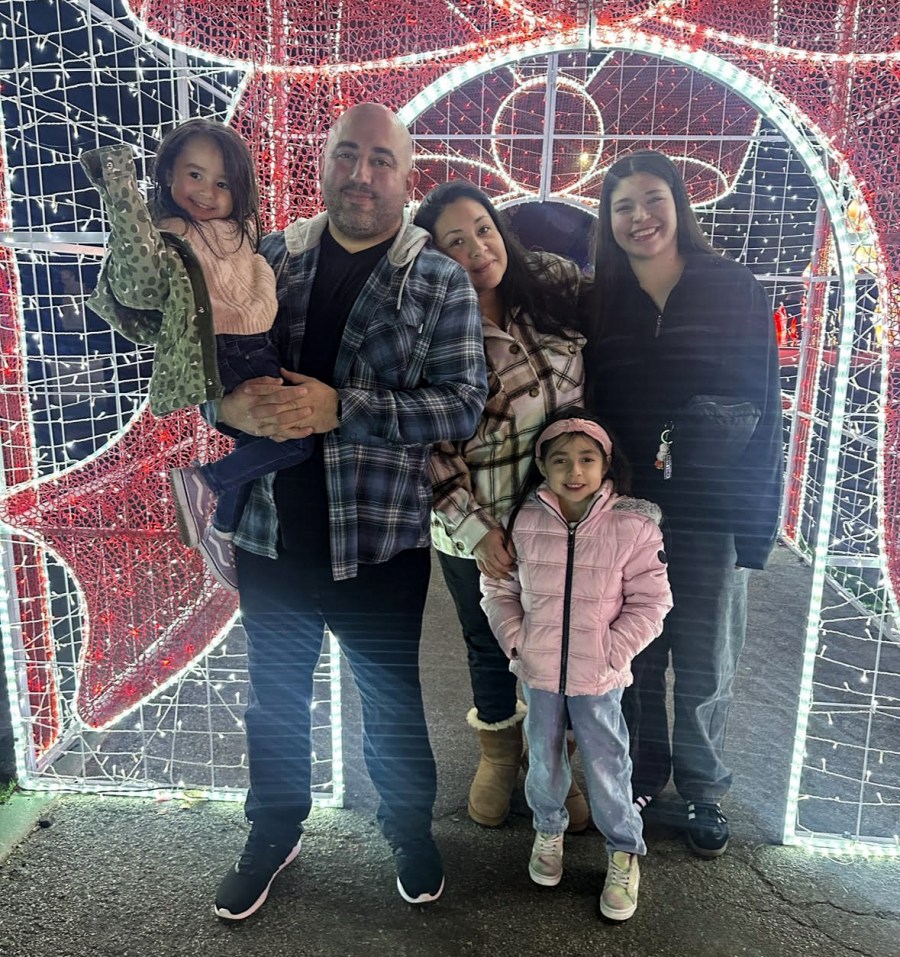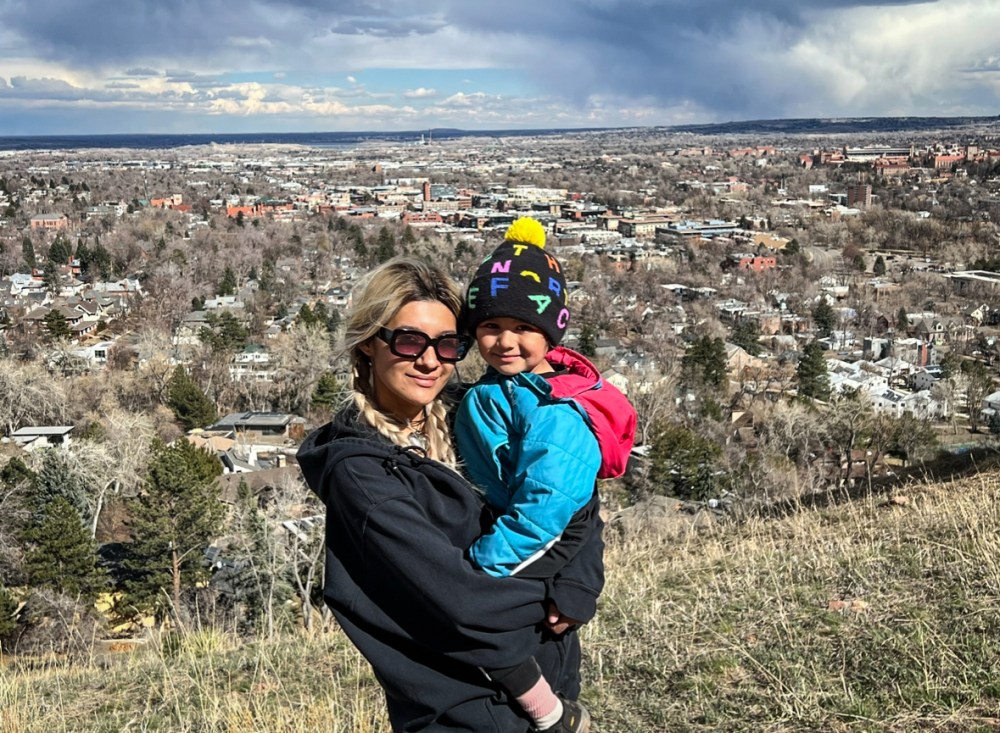
When Krysta Heard was just 3 years old, she made the dangerous journey on foot from Guerrero, Mexico to the U.S. Traveling through the California desert with her mom, aunt and cousins, Heard’s family was looking for a better life, especially after her older sister, Cristabell, tragically passed away.
“She died from a lack of access to clean water and sanitation,” said Heard, who is now 38 and lives with her husband and 4-year-old son in Denver. “This event altered the lives of my entire family … It was pivotal in our immigration journey. After I was born, the goal [of my parents] was to give a new generation a safer life.”
In 2016, at the age of 29, Heard became a beneficiary of DACA, the Obama-era action that protects young, undocumented immigrants from deportation.
However, because the DACA program has been on consistent life support (several state courts have tried to overturn it, and the program was even temporarily rescinded by the Trump administration in 2017), Heard has continually feared that she could be separated from her family at a moment’s notice.
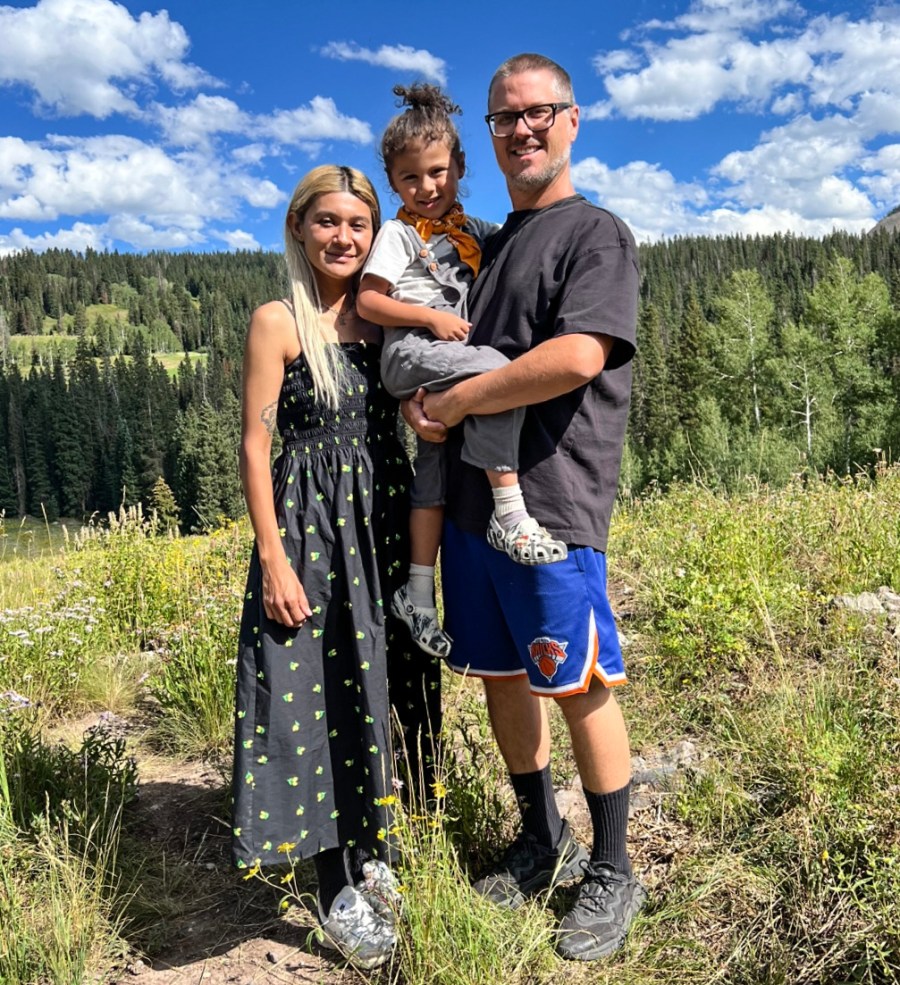
But thanks to a new immigration measure set forth by President Biden, Heard has renewed hope that she will finally be able to adjust her status and receive a green card to become a permanent resident.
In June, Biden unveiled the executive action that would offer protection to undocumented spouses and children of U.S. citizens, as well as streamline work visas for DACA recipients and college graduates. The announcement marked the 12th anniversary of DACA.
The move came after Biden implemented a crackdown on migrants seeking asylum at the U.S.-Mexico border.
Under Biden’s new “parole in place” program, non-citizens and DACA recipients like Heard, who are married to U.S citizens, will have the opportunity to apply for permanent residency without leaving the U.S.
The new immigration measure is one of two policy directives from the Biden administration’s “Keeping Families Together” program.
‘A gamechanger’: Biden announces new immigration policy
The parole in place process — which began accepting applications this week — could impact over 500,000 undocumented spouses, 90,000 of whom are DACA recipients, according to immigration advocacy group, FWD.US.
Until this point, there have been a number of deterrents that have kept non-citizens from filing applications to adjust their status. That includes the possibility of being barred from entering the country for up to 10 years, said Karen Tumlin, a civil rights lawyer and founder of the non-profit organization, Justice Action Center.
“Sometimes they have to wait outside of the country for 10 years, or permanently when getting their green card… This [new] program can allow some of them to get what’s called parole, and then be able to get a green card [while staying in the U.S].”
Heard said she started the process to become a permanent resident eight years ago. She was told to travel back to Mexico for a consular visit without a guarantee on the length of time she’d have to stay outside of the country – or if she’d be able to return at all.
“That consulate appointment comes with a lot of surprises and risks. Many families like mine were all cleared to go, and never returned for one reason or another … This was not a risk I was willing to take,” said Heard.
For example, one immigrant mother who applied for a green card through her U.S-born husband, found out she was banned from the U.S. for a decade when she went for her consular visit in Juarez, Mexico.
“This executive order will allow me to have that interview here in the U.S., instead of in Mexico. After that, I can begin the pathway to citizenship,” Heard explained.
Lizbette Vazquez, 34, who is currently undocumented, also said Biden’s new immigration program could be a gamechanger.
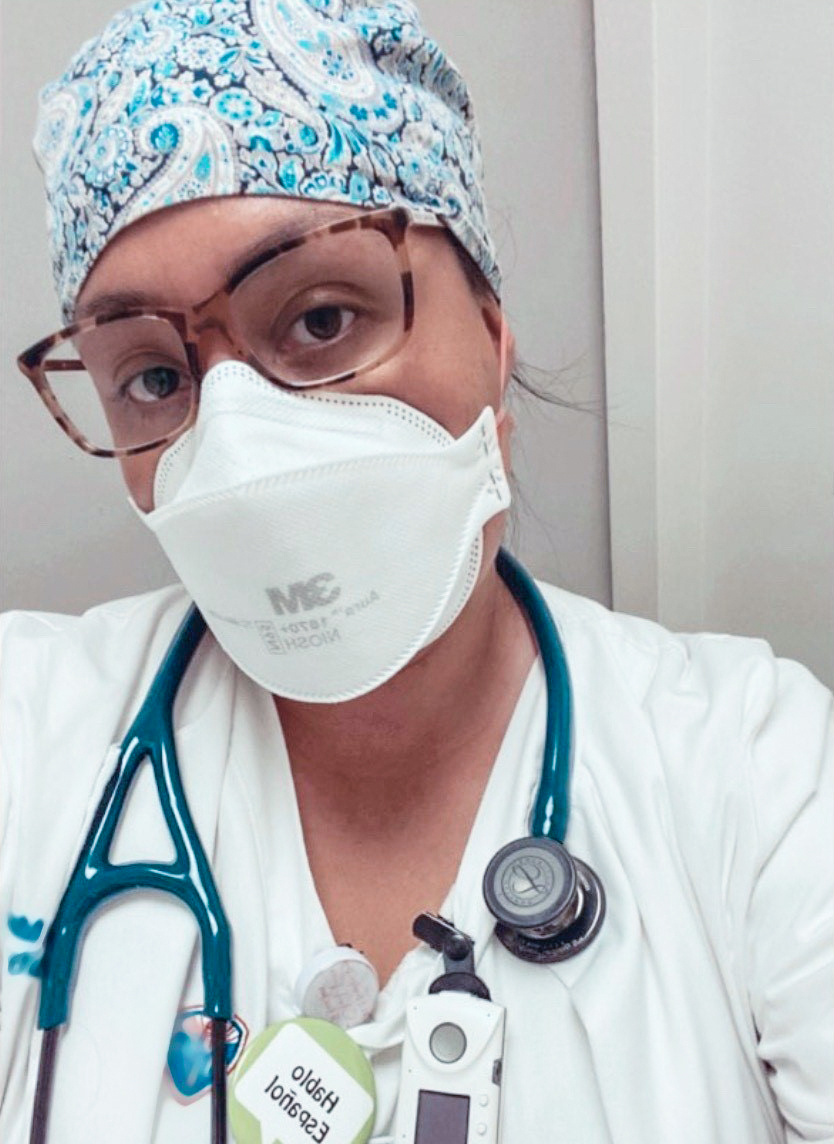
In 2005, Vazquez moved from Guadalajara, Mexico to Pomona, California right after she turned 16. She said she immigrated to the U.S. with her parents to escape rampant crime in her hometown. Vasquez worked hard to get good grades, went on to college, and worked two jobs: tutoring in the mornings and working at a butcher shop to pay for her studies. She wanted to apply to the DACA program — which launched in 2012 — but was disqualified because she entered the U.S. just weeks after her 16th birthday. The DACA program requires beneficiaries to have arrived in the country by the age of 16. Vazquez could benefit from the second measure of the President’s immigration program, which aims to streamline and expedite work visas for DACA recipients and undocumented citizens who missed out on the DACA program but are college graduates or students. Vazquez, who is a nurse and has been working as an independent contractor, said she will finally have options to adjust her legal status after almost two decades of living in the U.S. “It took me longer here in the U.S. to get my degrees, but I managed,” said the mom of three. “It was not free as my school loans are not forgiven and very expensive. Now I have two degrees and I just want to legally be able to work in a hospital and care for my patients.” Up until now, work-sponsored visas have been a tough sell for undocumented immigrants, as they require them to leave the country for an undetermined amount of time and receive a waiver to be readmitted to the United States, explained Dan Berger, an attorney at Cornell Law School’s Path2Papers Project, and advisory board member of the Presidents’ Alliance on Immigration & Higher Education. Biden’s immigration measure also gives Dreamers the ability to speak to their employers, or potential employers, about work sponsorship as a way to adjust their legal status. Under Biden’s new directive, consular offices abroad will shorten the amount of wait time for these waivers from months to just days or weeks, according to Tumlin. “It basically gets rid of some of the bureaucratic hoops that you have to jump to in order to get yourself to an employment-sponsored visa,” she said. Ultimately, Berger advised anyone who thinks they qualify for Biden’s new program to get a basic legal screening with a lawyer. Berger has helped a number of DACA recipients obtain work-sponsored employment. He explained there are a number of work visas available that some DACA recipients could qualify for beyond the more well-known H1-B employment-based visa. That includes visas such as the O-1 Visa for immigrants with extraordinary abilities (like doctors or Ph.D. graduates), the R-1 Visa for religious workers, or the E-2 Visa for business owners. As for how long Biden’s new immigration program will stay in place — especially amid the possibility of another Trump term — is still up in the air, said Tumlin. But for now, immigrants like Vazquez and Heard said they will take advantage of the new immigration policy and are ecstatic they finally have a pathway to citizenship. “I’m not going to be afraid anymore,” said Vasquez … And my family is going to be able to stay together.” Daniela Pierre-Bravo is a journalist, author, and founder of Acceso Community — a mentorship program for professional women. She is the co-author of “Earn It” with Mika Brzezinski. Her solo book, “’The Other: How to Own Your Power at Work as a Woman of Color,” is out now. Follow her on Twitter and Instagram @dpierrebravo.
Daniela Pierre-Bravo
Daniela Pierre-Bravo is a journalist and author and founder of Acceso Community. She is a co-author of “Earn It” with Mika Brzezinski. Her solo book, “’The Other: How to Own Your Power at Work as a Woman of Color,” is out now. Follow her on X and Instagram @dpierrebravo. Recommended