








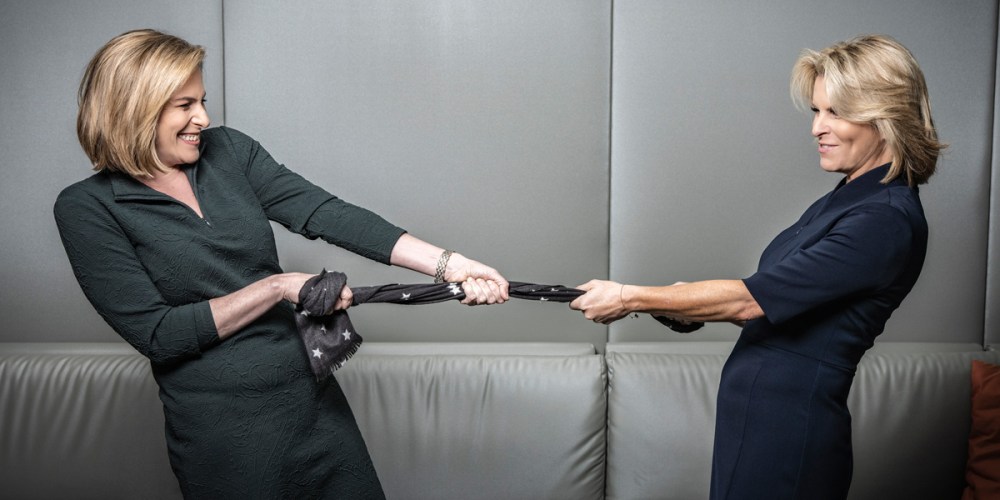
The table is set, the turkey is ready to be carved and all you can think about is avoiding a food fight – literally a food fight. If this is what you imagine for yourself this year, you’re not alone.
Because of our particularly intense, politically-charged climate, the holidays are often difficult, even uncivil, for many families. And while no one has actually thrown a biscuit at Cousin Rachel or hit cranky Uncle Mike with a drumstick, you can’t help but feeling that it this may be the Thanksgiving that it will happen.
Yes, Thanksgiving is a wonderful time to share with family and friends, but lately we – especially as political consultants – find ourselves concerned with how small talk can quickly turn into an intense political disagreement. While people love talking politics, it has become so divisive that a heated conversation can become a blowout fight.
In some ways, large gatherings can be similar to town hall settings. We all care about our community, but we have different ways of how it would be best served. With that, we wanted to share a couple of tricks that elected officials use to get through those meeting and how the same advice can be applied to surviving the holidays.

One of the first things we teach a client as they are preparing for an interview or an event with questions and answers, is that you do not have to answer the question that is asked. Instead, turn the opportunity into something you want to talk about.
So why not apply these tools at your upcoming Thanksgiving meal?
Adrienne’s tip: Use deflection. It sounds a bit sneaky, but it works. When you want to avoid a conversation about politics, try saying something like this: “I did hear about that, but who do you think the Razorbacks will hire as their new football coach? And what do you think about Chad Morris’s buyout?” Or, forget politics and sports – let’s talk about our latest favorite movie!”
Another tactic is to redirect the conversation. This is similar to deflection, but requires a little prep work. Once you know who will be at Thanksgiving, and you know who is likely to go full-on politics, check out their Facebook or Instagram page. Then you can engage that person (s) about what they have done through good old- fashioned flattery. Remember even more than politics, people love to talk about themselves.
Susan’s tip: I always have a list of non-political things to talk about. It can be movies, family gossip or plans for the holiday season. However, I find the best thing to do is to come up a few questions so people can talk about themselves.
For example: “How was that family trip to Florida?” Or, “I saw that you started a new job, how’s it going?” Once people start talking about themselves, it’s hard to get them to stop.
Finding common ground is another great way to avoid political arguments. Jessica Proud, partner at strategic communications firm, The November Team, tries to keep the theme of unity throughout the day. Jessica’s tip: Unity. The trick, in addition to cracking down on Aunt Rita’s third martini, is to fill the void with topics that create unity. Take the tried and true “everyone say something you’re grateful for” and bring it up a notch by asking everyone to share a news or life story from the past year that touched them. It’s a great way to bring current events to the table without being divisive and will leave you feeling inspired this holiday season. Every family is different, but in most cases, we want to be together and enjoy each other’s company. Politics has a time and place, but when it causes conflict or scares the kids at the table because the shouting has gone over the top, try to tone down. Better yet, if you see it brewing, trying some of these tips. Heck, if they can work for politicians, they can work for you. Happy Thanksgiving! Susan Del Percio is a New York-based Republican strategist and Adrienne Elrod is a Washington, D.C.-based Democratic strategist.
Susan Del Percio is a Republican strategist and a political analyst for MS NOW.
Adrienne Elrod
Adrienne Elrod is an NBC News and MSNBC contributor. A veteran of Capitol Hill and multiple campaigns, she served as a senior advisor to Hillary Clinton’s presidential campaign in 2016. Recommended



