









In a strange twist of fate, I would not have become a journalist if I had not been diagnosed with breast cancer.
I always wanted to work as a journalist and when my three daughters were young, I went to Medill School of Journalism at night. I had to abandon that path when my husband and I divorced in the late 80s as I needed to earn a living. I took a job as a personal shopper at the Fifth Ave Club in Chicago at Saks where I dressed many high profile people.

In 1997, during a routine mammogram, I learned I had breast cancer. I left my job at Saks and had a lumpectomy, six months of chemo, six weeks of radiation and later 10 years of the drug tamoxifen. During the months of chemotherapy, I saw an ad in the Chicago Tribune – they needed a freelance journalist. I had only ONE published clip to my name, but I applied.
I still remember the phone call from Andy Gottesman, the editor at the Tribune who hired me. “We are going to give you a chance.” Indeed, they did. My first story was to interview a woman who had a tree fall on her house during a snowstorm. I went out into the blizzard following a chemo treatment.
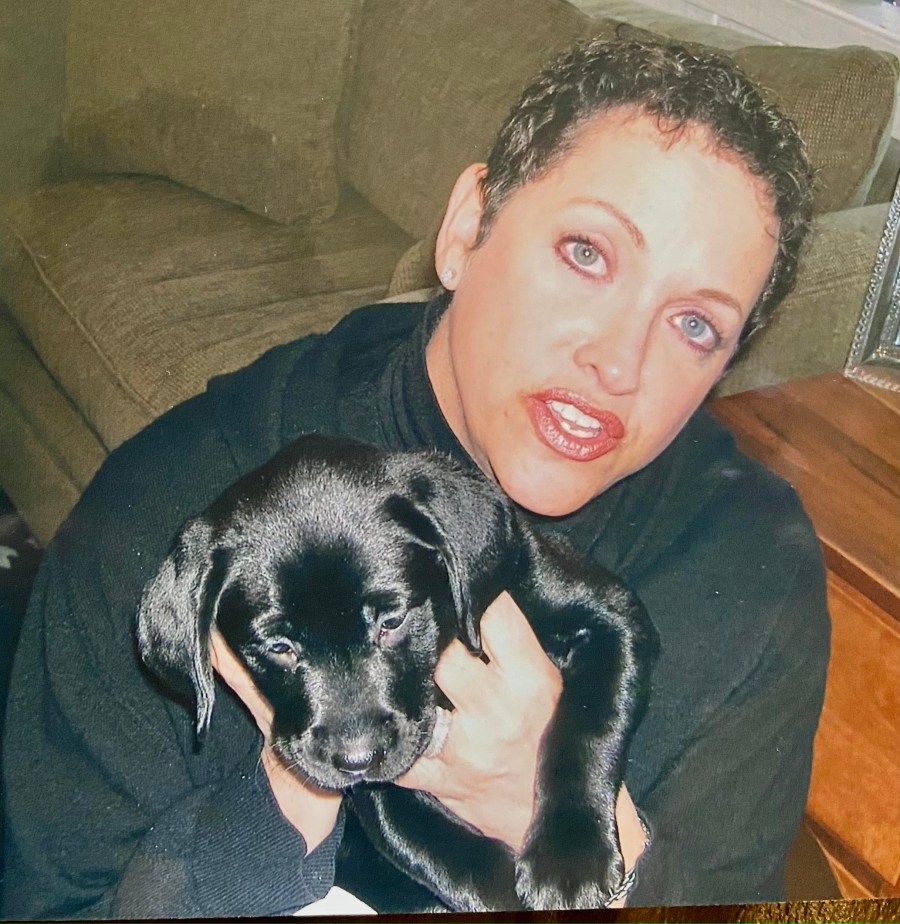
That year, I had 35 stories published in the Chicago Tribune. Later I would go on to be a staff writer at a local paper, the Pioneer Press and since 2003 have been an independent journalist writing for Chicago Tribune, New York Times, Washington Post and more.
This April, one of my daughters learned she had the PALB2 mutation during genetic testing. I had genetic testing in 2009 and was relieved to learn I did not have the more known BRCA mutation. I thought that my daughters and I were in the clear.
The PALB2 mutation, which could raise the risk of developing breast cancer as much as 60 percent, was discovered in 2014.
I immediately had genetic counseling and a blood test. Four weeks later I learned I also had the PALB2 mutation. Since that time, another daughter of mine also learned she has the mutation, in addition to three other family members.
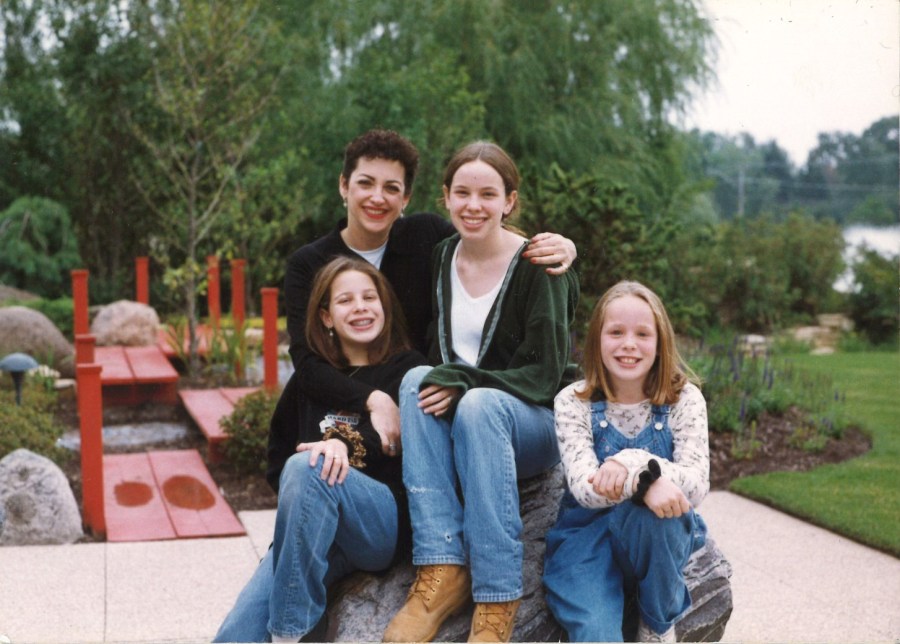
How was it possible that I, a 24-year breast cancer survivor and a journalist who for the last 10 years specialized in health reporting, knew NOTHING about PALB2?
In the spirit of my writing idol Nora Ephron, who said, “everything is copy” – that become my motto too. Some of my best health pieces have had a personal connection. After I hung up the phone with the genetic counselor with the news that I have PALB2, my first thought was “I have to write about this.”
I began my research in May and the result is the Aug. 17 story in the New York Times, “Doctors Warn of a Lesser-known Breast Cancer Risk”
In May, as I was putting together my story, I learned an association of medical geneticists suggested that women with PALB2 mutations be surveilled similar to those with BRCA mutation. The mutation was sometimes referred to as BRCA3, given its importance in risk of breast cancer.
A Facebook group called PALB2 Warriors became a source for my reporting. I joined the group and asked to speak to women navigating this mutation and its risks of breast, ovarian and pancreatic cancer. The group has over 1,000 members worldwide.

As for my own treatment, in July I had my ovaries and tubes removed. I had counseling with a pancreatic cancer specialist – my mother’s mother died of pancreatic cancer which puts me at a higher risk of pancreatic cancer as well.
As for my breasts, I have seen the surgeon that did my lumpectomy and a plastic surgeon he often works with for reconstruction. I came to the decision that I will have a prophylactic mastectomy. Here is why. – I asked my oncologist if my 10 years of tamoxifen will protect me for a lifetime. No, he said the benefits probably ended after 15 years. That was nine years ago. -The other factor in my decision is that those with PALB2 mutation have a higher risk of estrogen negative breast cancer. I asked my oncologist, and my genetic counselor if a recurrence would be estrogen positive because my breast cancer was estrogen positive, which is more treatable. They both said no. A recurrence could be an estrogen negative breast cancer – much harder to treat. -Like Susan Karnick in my New York Times article and several others I spoke to – despite routine mammograms and MRI’s they were diagnosed with breast cancer after a mastectomy. My oncologist confirmed that not all cancers are caught via screening. That was all I had to hear. Rather than wait for a recurrence and then have a mastectomy, I would rather be proactive. My breasts have served me well and nursed three daughters. I would rather eliminate the risk and have concluded knowledge is power. Stories like the one I wrote for the New York Times clearly illustrate the power of the press. The day the story was published, my oncologist told me his in-box was flooded with requests for genetic testing. The Facebook PALB2 warriors group got about 36 new members that day and more every day since. Prominent doctors tweeted the article. This is the best part of being a journalist. One last point. I think this has been a huge failure by the medical community. From the time PALB2 was discovered in 2014 – that is seven years – none of my doctors – not my ob/gyn, internist, oncologist or the genetic doctor suggested I be retested. How difficult would it be for geneticists to find names of people with breast cancer or cancer in their families and notify them? I am guessing there are many people, just like me who survived breast cancer for many years who would now want to know, given there are options that can indeed save your life. Susan Berger is a freelance journalist in Chicago and writes frequently for the Washington Post and Chicago Tribune. She was 2021 fellow with CDC, a 2019 fellow with the National Press Foundation Fellowship to study vaccines and 2019 fellow to study dementia. She also has written for the New York Times, Health Magazine, National Post and CBC.
Susan Berger Recommended


