









“How do I know if my workplace is racist?”
When I hear this question I reflect back on my own career.
There are moments that really stick out to me, like the time a month into my first job after law school my boss accused me of plagiarism, because she didn´t believe I was capable of conducting the level of analysis that I had submitted in my report. Or the time another boss complimented my hair after I had it straightened, exclaiming along with my coworkers, “It looks so clean!” Or the boss that refused to give me feedback, no matter how many times or different ways I asked.
Those little actions made a big difference in my sense of belonging in each of these organizations. Regardless of cause or intent, each of these experiences had a racist impact. Each time, I desperately wished that someone had my back.
Now, when people ask me how they can tell if their workplace is racist. My answer is the same. It doesn’t really matter. “Is my workplace racist?” is the wrong question. If you look at your workplace and see a lack of racial diversity – no Black and Brown people in leadership, or high levels of attrition of people who aren’t white – the existence of racist intent or design is inconsequential. Your organization is having a racist impact.
Most organizations have these problems. The more pressing question is what can you do about them, especially now?
That’s the question many of us are currently struggling with. We’re still in the middle of a global pandemic. We’ve been forced to work through our grief with cameras on, in between Zoom calls, in the privacy of home offices masked by fake backgrounds. Many of us feel let down by our government and our employers. We’ve seen the pledges and the lack of follow through. We’re disillusioned and running on fumes.
So how do you keep showing up when it’s hard?
Start small and stay consistent. Splashy slogans and dramatic programs may attract a lot of attention, but they are worthless if we don’t follow through. Focus on building a practice of fighting racism and uplifting your colleagues of color. Try the following.
Be a sponsor: Sponsors actively promote the work of the people they support and create opportunities for them to succeed and be recognized for their effort. Like mentors, sponsors offer feedback and advice. But they also leverage their privilege to advocate for and position those they sponsor.

Center marginalized voices: You don’t have to be a sponsor to ensure that your marginalized colleagues are equally given visibility and recognition. You can amplify the voices of your colleagues in everyday interactions. Make sure they are in the room. Encourage them to participate in discussions and reorient the conversation towards them when they get talked over. Make sure that they aren’t disproportionately tapped to take on duties that would inhibit their participation, like note taking. Make certain they receive credit for their ideas. Publicly celebrate them when they do good work. Avoid speaking on behalf of people’s identities whom you do not share and be mindful of when you may be centered at their expense.
Be direct: Some organizations love euphemisms. Unconscious bias. Racial tension. Politics. Divisive. Controversial. Intolerant. I’ve heard all of these words used to describe racism and racist behavior without actually having to say “racism”. People don’t like saying the words “racist” and “racism” because it’s uncomfortable. But avoiding uncomfortable words makes us less effective advocates for antiracism. Not calling behavior or systems racist when they are doesn’t make them less harmful. But it does lull us into believing that we can respond less urgently. If a racist thing is racist, call it that. Speak up: Our workplace cultures are created not on paper, but by the everyday actions we use (or tolerate) to build relationships and get our jobs done. When we let acts of racism slide, large or small, we say this behavior is acceptable. We say that the impact that racist behavior has on our coworkers is acceptable too. Over time, these practices and ways of communicating harden into norms that become harder to uproot. So when you see someone engaging in a racist act, say something and nip it in the bud. When applied consistently, our little everyday actions can have a big impact. The right recommendation or small correction can change a culture, catapult a career, or renew someone’s faith. They are also the ways through which we build a practice. When I was a kid, I wondered what it would be like to live through a historic moment. Would I have marched with suffragettes or opted out of taking the bus in Montgomery or braved poll taxes and literacy tests to vote or send my daughter to a school that didn’t want her? We are living in such a time right now. The question isn’t if the injustice is there, it’s what do we do about it? How do we continue to show up, even when it’s extraordinarily hard, even when it feels like we have nothing left? Those are the questions that we have to ask ourselves now. Small and consistent is a good place to start. Y-Vonne Hutchinson is the CEO and founder of ReadySet, one of the country’s leading diversity, equity, and inclusion consulting firms, and the author of the forthcoming book “How to talk to your boss about race.”
Y-Vonne Hutchinson
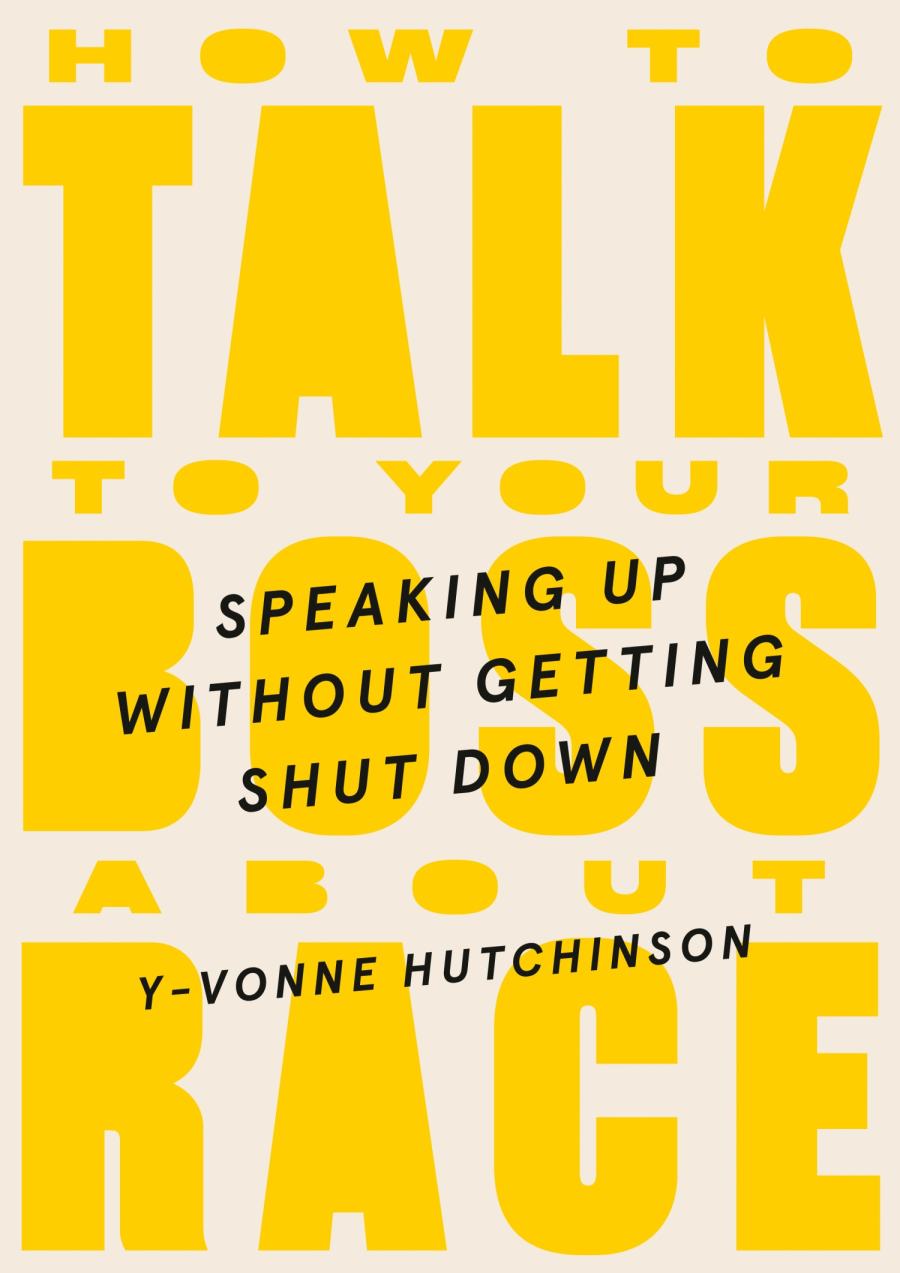
Y-Vonne Hutchinson is the CEO and founder of ReadySet, one of the country’s leading diversity, equity, and inclusion consulting firms, and the author of the forthcoming book “How to talk to your boss about race.”
Recommended


