








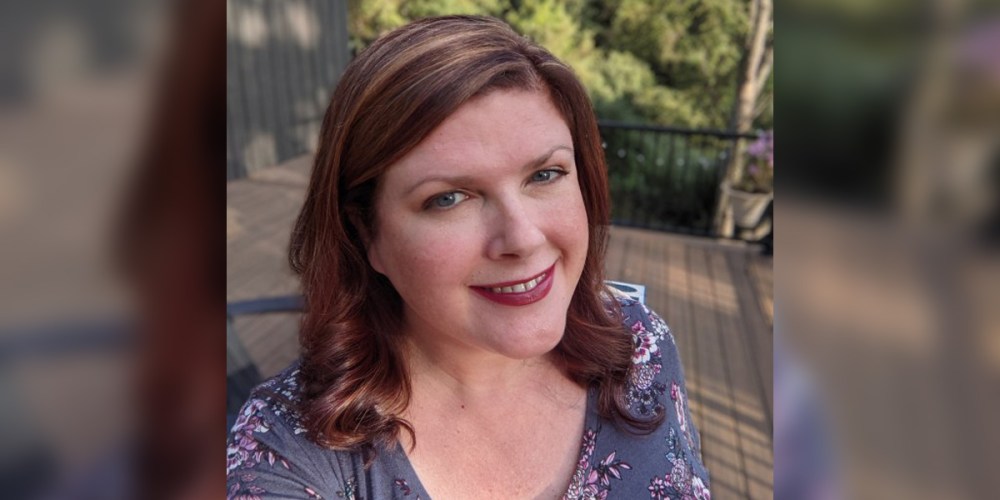
When Jessica Tennant got married in 2009, she and her husband decided to forego their honeymoon and put that money toward fertility treatments. It was the second marriage for both Tennant and her husband, and they had undergone pre-wedding genetic testing that suggested having children would be a struggle.
“I actually came to the door to sign for my first trigger shot delivery in my wedding dress,” said Tennant, an 8th grade special education teacher from Rochester, NY.
The next eight years of trying to have a biological child were an emotional roller-coaster. The couple went through 13 rounds of In vitro fertilization (IVF), Intrauterine Insemination (IUI), ectopic pregnancy, miscarriage, donor egg IVF and donor sperm IVF. Tennant tried acupuncture, infertility yoga, abdominal massage, wheatgrass, supplements and a vision board. Nothing worked.
Once the couple turned to adoption to create the family they so desperately wanted, they had a baby shower and set up a nursery for the child that would surely arrive soon. Between the paperwork, the background checks, the home studies, and the interviews, Tennant found the process “emotionally far worse than IVF.”

When a stress-induced health crisis made Tennant’s blood pressure skyrocket to the point that it mimicked a heart attack, Tennant’s husband said, “I can’t sit here and watch this possibility of losing you for something that we’ve never had,” and the couple decided to end their uphill battle to have children.
Tennant, 45, is a part of the Childless Not By Choice (CNBC) community, a group of people who did not have children despite the fact that they longed to be parents. CNBC community members may have exhausted fertility and adoption options as Tennant did, they might not have carried a baby to term, or they might have not found the right life partner. This largely virtual and ever-changing group aims to help people process their grief and move toward acceptance through online communities, blogs, message boards, counseling, forums and even a “World Childless Week,” which takes place each September.
Almost 14 percent of women who are 40 to 44—which some consider the end of childbearing years—are not mothers, either by choice or circumstance. The birthrate has fallen by roughly 19 percent since 2007 due to a variety of reasons, including the fact that some women are intentionally choosing not to have children.
There is less data and less transparency surrounding women who want to be mothers but aren’t. The CNBC community hopes to change that.
Pamela Mahoney Tsigdinos, author of “Silent Sorority: A Barren Woman Gets Busy, Angry, Lost and Found”, wrote her book in part because the infertility literature she had read all seemed to end with the successful delivery of a baby.
Rather than assuming a “non-mom” has “given up,” Tsigdinos hopes that a new language and etiquette will arise so that society will view ending the motherhood journey as “succeeding at something truly remarkable: reinvention.”
“I was just done.”
“Every decision I made in my life [hinged on] me thinking I’m gonna have kids,” recalled Lindsey Trott, 42, an occupational therapist now living in northwest Colorado. For example, she became a teacher in part because it was a “good profession for a mother.” She married a man who was a stable provider. She was living in a four-bedroom house in the Houston area in a good school district. In all, Trott thought she had an ideal setup for raising children.
Trott was 30 when she married her then-husband, and she waited a couple of years for him to feel “ready” to have kids. Once the couple agreed to start trying to have a family, Trott said, “I’ll be honest, I was never very chill about it. Because as soon as you want to be pregnant, you want to be pregnant yesterday.”
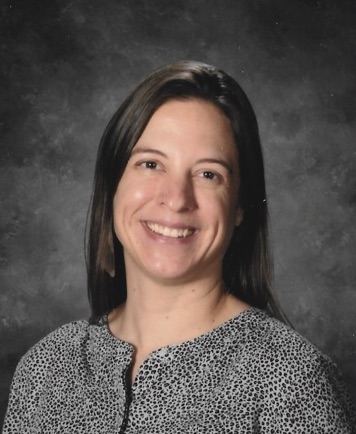
When Trott didn’t become pregnant, she began charting her body’s fertility signs, taking her temperature every morning for over two years without fail. She took vitamins, went to acupuncture, did yoga and scoured “Trying To Conceive” message boards for advice, like “eating pineapple.” Ultimately, the couple sought medical assistance, and Trott had three unsuccessful medicated rounds of IUI and two rounds of IVF.
“And then I was just done,” Trott said. “There wasn’t even a decision to be made. I just couldn’t do it anymore. I couldn’t go to another appointment. I couldn’t schedule another anything.”
Trott was completely open to becoming a mother through adoption, but the wait for adoption could take years, and she needed time to process her disappointment: “I was so broken that I wasn’t available to be a mother. I had been trying to conceive for four years and I had a hole in my heart that a child couldn’t fill and a child couldn’t be expected to fill. Not everyone who wants to be a mother gets to be one.”
Processing grief
After ending her journey to motherhood six years ago, Trott said, “I cried a lot, and I slept a lot … I was still very, very raw.”
Even now, Trott called not being a mother “a lifelong loss. It’s a loss of an entire role. I didn’t get to tuck my kid in at night. I didn’t get to teach them to read. I didn’t celebrate their 10th birthday. My life is not full of the regular milestones that I thought it would be.”
No longer wanting to continue teaching, Trott had saved enough money for “one last round” of IVF, but instead of scheduling more fertility appointments she used that money to enroll in graduate school for occupational therapy. She and her husband amicably divorced in 2018 after realizing that their goals as a couple—without children—were no longer aligned.
Like Trott, Tennant also experienced intense grief and mourning: “I spent a lot of time face-down on the floor.” In that next year, she and her husband “ended up drinking too much and eating too much and just being incredibly debaucherous. Because we would have two bottles of wine and be like, ‘Here’s to no daycare expense!’” After some of the grief and trauma passed, the couple sat down together to make lists of the things that were important to them—things they wanted to do with their lives now that they knew they weren’t going to have children.
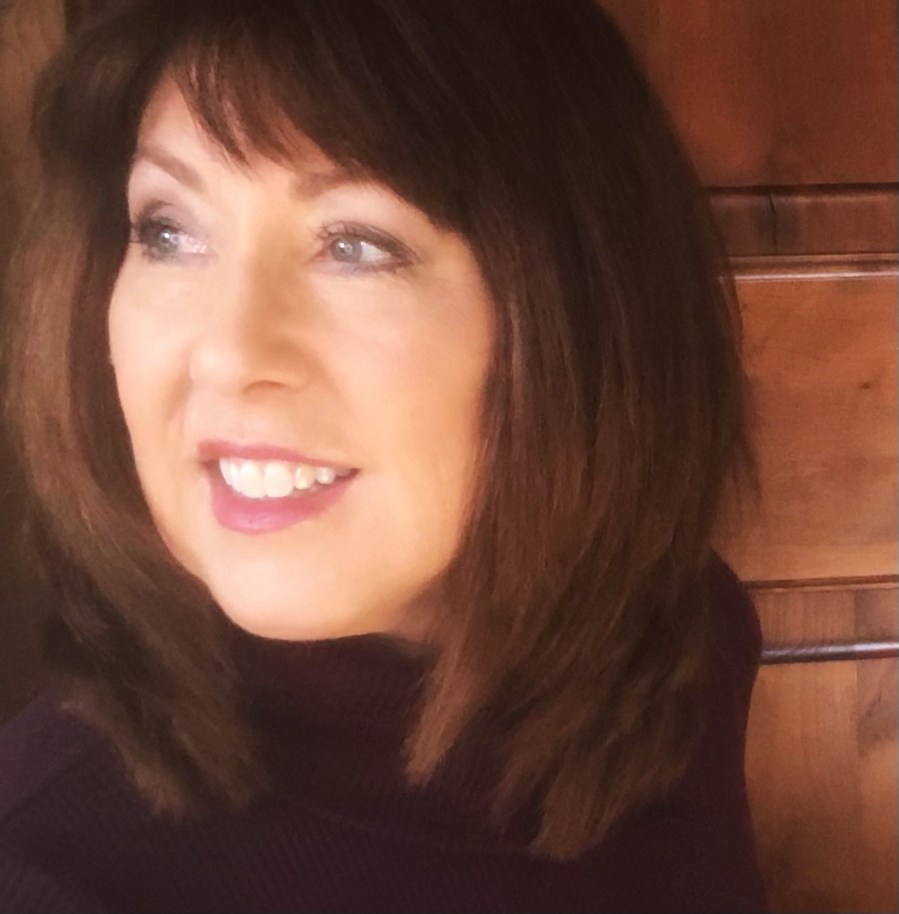
For Nevada author Tsigdinos, after spending “a decade of unsuccessful attempts to conceive, failed treatments, and worst of all, ‘alpha pregnancy’ miscarriages,” Tsigdinos ended her “28-day waiting game” for good at age 43. She journaled and blogged and read, but said, “All the infertility memoirs and profiles I’d ever come across had one thing in common: the stories ended with the successful delivery of a baby.”
Tsigdinos vowed to change the narrative. Tsigdinos, now 58, felt “driven” to write “Silent Sorority” both to support “women who felt disenfranchised by the disproportionate share of voice given to mothers” and to enlighten “family and friends who are ignorant of the physical, emotional, and societal challenges faced by those unable to successfully conceive or parent a child.” She found her way to the CNBC community simply by Googling a variety of phrases until she hit on the language that other CNBC women were using—and that’s how Trott got to know Tennant. They started following each other online and then began emailing sporadically. “The Internet saved my spirit, for sure,” Trott said. “The other women who had the courage to write about the worst experiences of their lives very candidly online saved my will to live.” As she processed her grief, Trott continued making big life changes. She moved from Houston, where she had lived for 25 years, to rural Colorado because having the opportunity to ski regularly was “the only thing that sounded good to me.” She scrambled to find a clinical rotation for her occupational therapy program in Colorado, and she has now healed enough to once again work with children. “It’s not the life I thought I would have at all. I honestly wouldn’t live here if I had kids,” Trott said, citing the quality of local school districts and lack of child-centered activities. “What has helped me heal is I’m not trying to live my old life. I had to create a completely new one.” Also looking for a change, Tennant and her husband moved to a house that she described as “not child-friendly whatsoever. It has a built-in floor-to-ceiling glass cabinet and stairs with open treads. But it’s perfect. Perfect for the life we have now.” She has continued teaching and has been finding a way to support kids, including secretly sponsoring scholarships for 8th graders to attend an annual Washington, D.C. field trip. “I think it’s really important for someone to hear that you can have a wonderful life, even if it’s not the one that you planned,” said Tennant. Many women end their motherhood journey without answers. Fertility clinics may label them as having “unexplained infertility” as they did with Trott or they could simply not be selected as an adoptive family, a process that Tennant said was “like being nine months pregnant for two years.” The struggle to become a mother left Tennant with both emotional and physical scars. She was told by doctors that in part to damage done by years of intense fertility treatments, she needed a hysterectomy at age 42. As a result, she learned that she had adenomyosis, a condition that meant that her chances of carrying a baby to term had been minute. “I finally got my answers, which was great,” she said. “But it literally took destroying my body to get to that point. Tennant and her husband disassembled and donated their nursery, told the adoption agency that they were ending their home study early and they restarted their eight-year marriage—the entirety of which had been dedicated to trying to have a baby—by finally taking a two-week honeymoon along the California coast. “You don’t know how much you’re going through until you’re past it,” Tennant said. “To be able to walk away and rebuild your life is an amazing accomplishment.”
Rosie Colosi, TODAY
Rosie Colosi is a reporter for TODAY Parents. Recommended


Moving on
Finding answers
