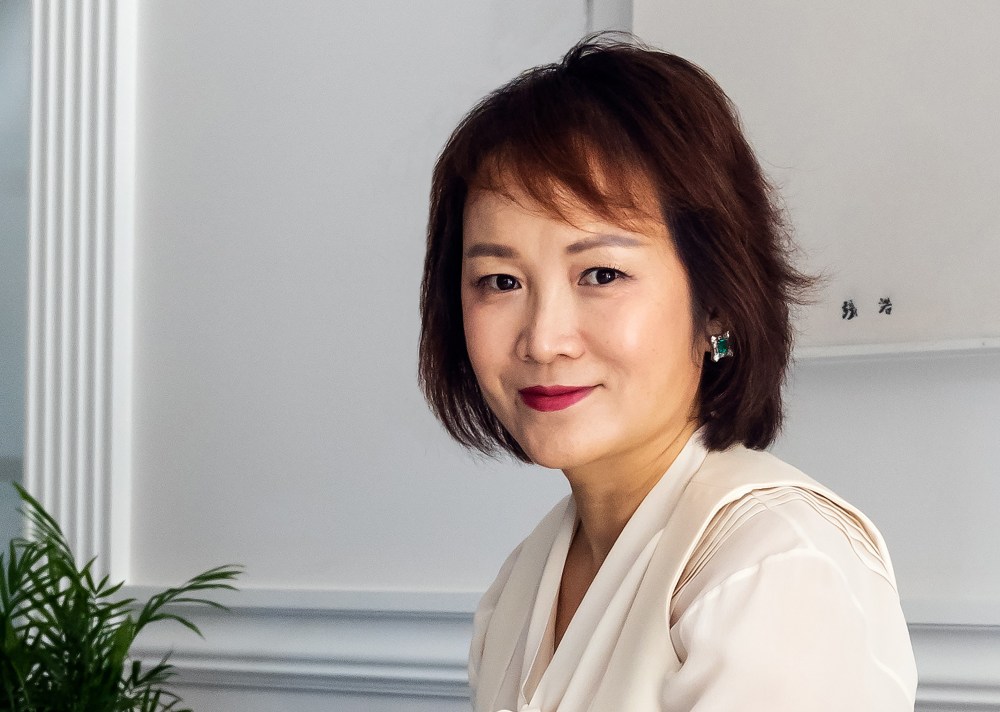
As the Covid-19 pandemic escalated in 2020, multinational lifestyle CEO Mei Xu watched and feared for her fellow women entrepreneurs. From China to Marrakech, several of these women had been Xu’s mentees for years.
“When you have any disruptions, stores are the first to be hit,” Xu told Know Your Value. “They knew that people wouldn’t exactly buy evening gowns and high heels.”
After decades of building multi-million dollar global companies, including Chesapeake Bay Candle, Xu, 54, decided to help female entrepreneurs full-time. In 2020, she launched Yes She May, an online destination where select women-owned businesses around the world can sell their lifestyle products globally. Xu’s efforts were recently honored on Forbes’ 50 Over 50: Visionary list.

“Most women don’t feel confident to go out of their state [to sell their products], let alone their country. The idea of sourcing from Vietnam, Brazil, Indonesia—it’s intimidating,” said Xu. “That’s why I made this platform, to open up that kind of community where women can help each other.”
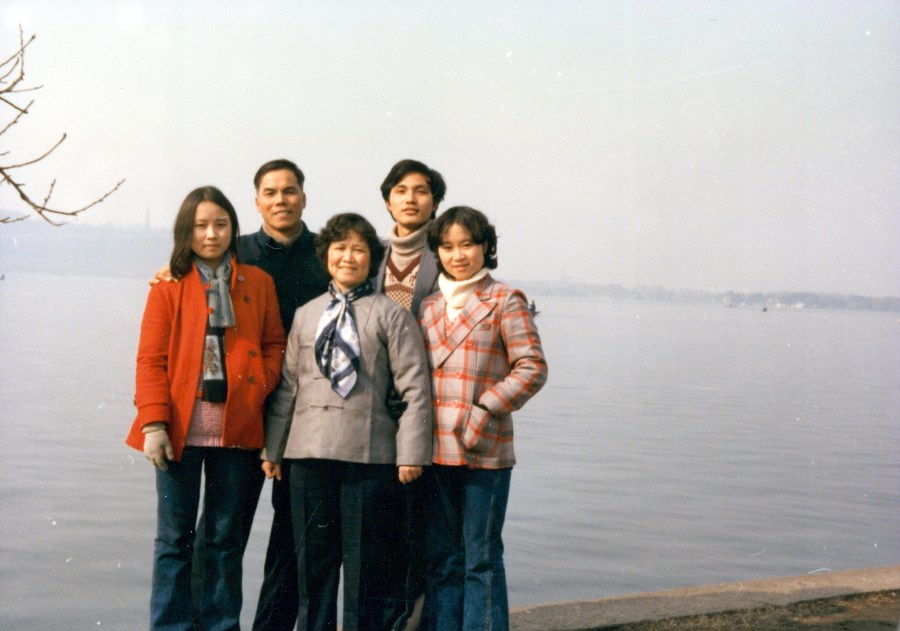
Born in Hangzhou, China, Xu gained a unique, globalized savvy beginning at age 12, when she attended an international boarding school in Hangzhou, China. There, she became fully immersed in English and trained to become a diplomat. She went to college in Beijing, where she was tapped to translate for the World Bank.
“For almost four years I was always traveling and helping the big bosses of the World Bank. I enjoyed that global team …I felt like working there was my calling,” Xu said.
But events in China disrupted her dream. In 1989, students demonstrated en masse in favor of various political reforms in Tiananmen Square, Beijing. The Chinese government responded by massacring many of the protesters, then by placing tough restrictions on all students so they would not be able to organize again. Consequently, Xu was removed from her translating position at the World Bank, and was forced to take a job tracking mineral deliveries in Northern China.
“That whole year, I was in an empty warehouse with my supervisor. The guy didn’t even talk to me. I had to check a clipboard twice a day when a truck came, and that was it,” she said. “I’d had a nice lifestyle at the World Bank, I was paid well, making five times what my mother made. Then all of a sudden, I got paid with nothing. I was also homesick and I missed my boyfriend.”
So Xu did something radical: she quit her job. Under the Chinese school structure, this move jeopardized her future as a diplomat. She graduated college in Beijing, but she kept her dream alive by applying to study communications in Maryland so she could live close to the World Bank headquarters in Washington, D.C.
She got in and earned a Master’s degree, but once again, her World Bank dream was thwarted, this time due to a hiring freeze. Xu and her boyfriend David Wang moved to New York City, where Xu worked instead at a medical export company, which she called “a not-fun paper-pushing job.”
During a trip to Bloomingdale’s in the early 90s, inspiration hit. While the clothes on the first floor were always modern and fashionable, the store’s home goods and furniture departments on the upper floors was woefully out-of-touch, she said.
“I didn’t understand why there was such a huge gap [between the clothes and decor], and why home had to look like grandma’s house,” she said. “I just thought about this woman working in a law firm or fashion company and walking with that beautiful coat and going home to this boring, dark apartment.”
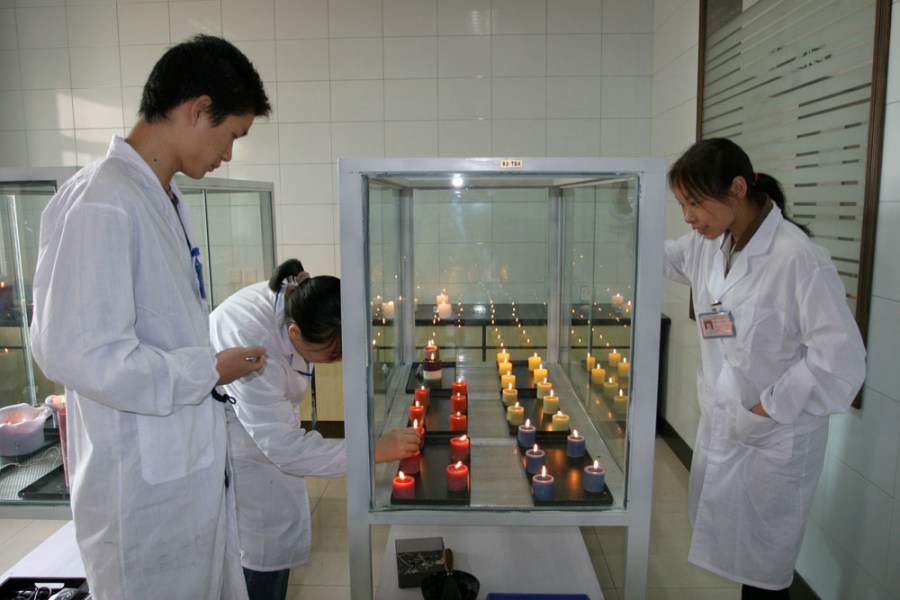
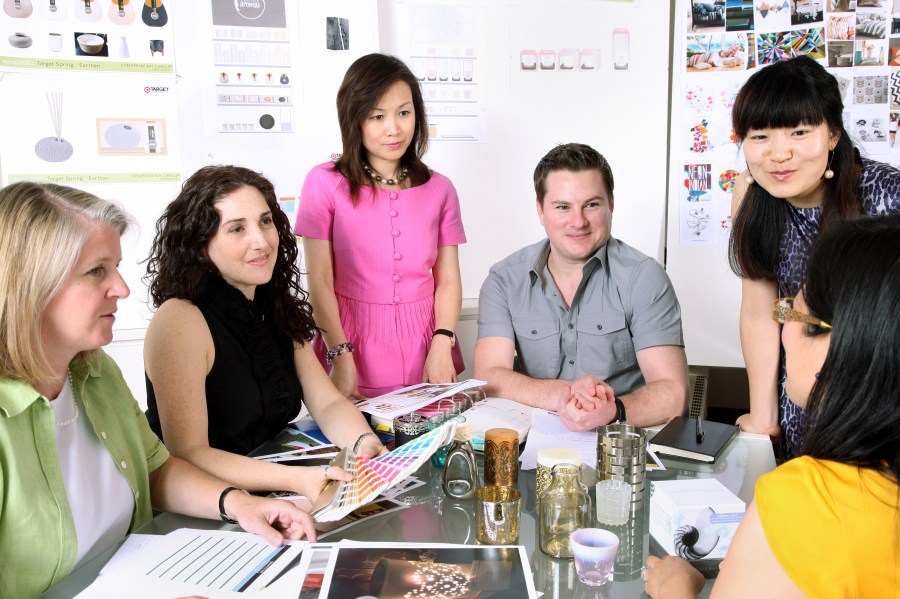
Wang suggested that they launch a home and decor company together in 1994, called Pacific Trading International. Its subsidiary would become Chesapeake Bay Candle, a minimalist candle and home product company. The couple started by making candles in their home, then by launching a manufacturing hub in Hangzhou.
In 2017, Xu had an unfortunate bout with breast cancer and had a mastectomy. She stepped down as CEO of Pacific Trading International, and she ultimately sold Chesapeake Bay Candle for $75 million. While scaling the company over the years, Xu said she was usually the only Asian woman, and often the only woman in the room. “My mother raised me almost like a boy, and I was always confident. I never felt very uncomfortable because I always remind people I was only 19 when I started translating for the World Bank, and I was always the only woman,” said Xu. “But it is funny sometimes. I’m a petite woman and these businessmen are all very tall. I’m standing in the middle, and they don’t know where the sound comes from, and it’s from me.” Wang and Xu had two boys together, but the couple ultimately parted ways. She later married Professor Alessandro Rebucci, who teaches international finance at Johns Hopkins University. Since stepping down, Xu focused on speaking, mentoring and writing her memoir “Burn,” which was released in March this year. During these years, she said that women entrepreneurs constantly approached her for advice. Many of them now have products for sale on Yes She May, which features about 100 brands from over 25 countries, from the U.S. to Turkey to South Korea and more. “We want brands that at once speak to a contemporary lifestyle of a modern woman, but still, we want to bring that cultural heritage aspects,” said Xu. Xu said she always advises women entrepreneurs to think as big as their male counterparts. “Even when women are successful they are hesitant to think big and globally. They get bogged down with shipping questions and everything. Men don’t do this,” said Xu. “Don’t be afraid to think bigger.”
Halley Bondy Recommended