








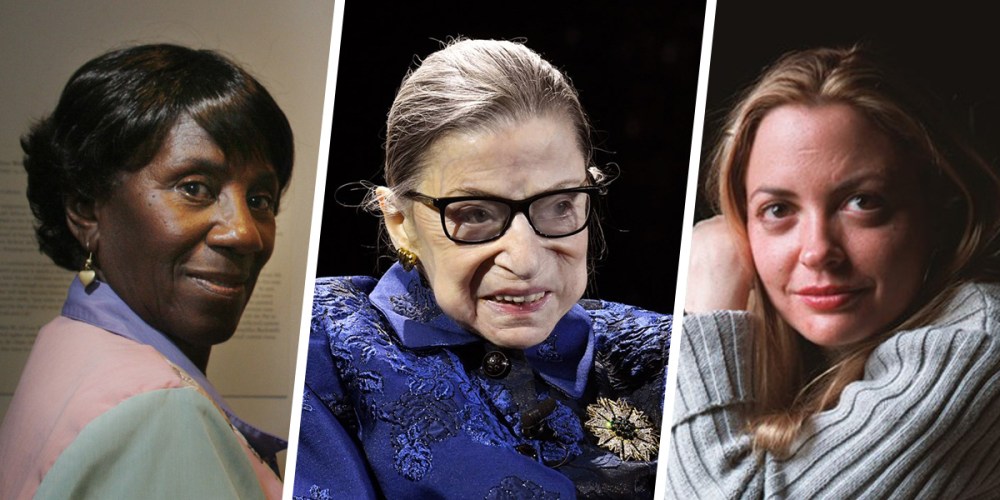
The year 2020 brought massive upheaval. Among the hundreds of thousands of people who lost their lives due to the Covid-19 pandemic, many notable women also passed away from other illnesses or natural causes, leaving behind enduring legacies.
These 12 remarkable women fought tirelessly to make waves in science, politics, the arts and more throughout their lives — often way ahead of their time. They will not be forgotten.
1. Ruth Bader Ginsburg, Supreme Court Justice, 87
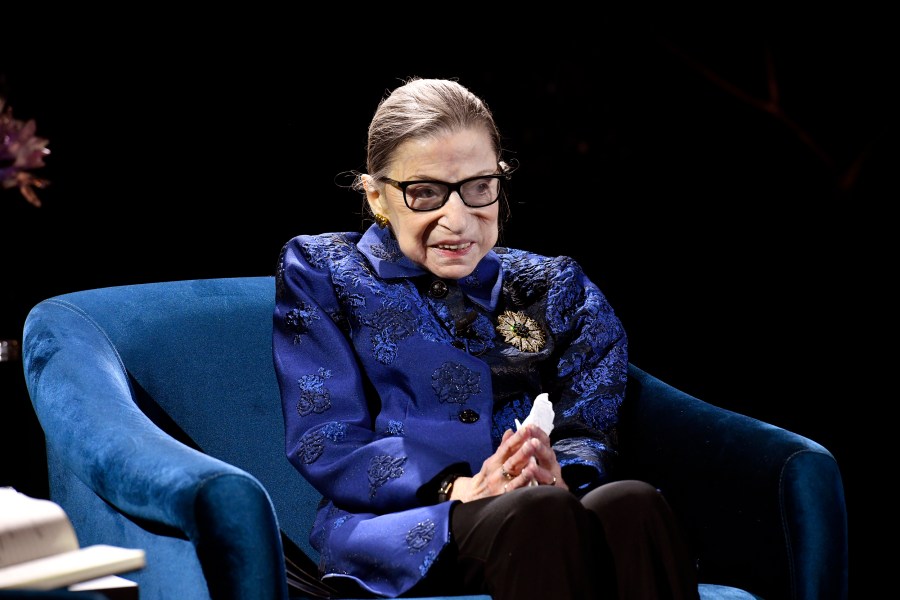
Supreme Court Justice Ruth Bader Ginsburg spent her long legal career championing for women and minorities.
As one of nine women to attend Harvard Law School in 1956, Ginsburg made history by launching the first law journal ever to be devoted entirely to women’s rights. She served as a lawyer for the American Civil Liberties Union and as a judge in the District of Columbia Court of Appeals, where she consistently fought for abortion rights and gender parity.
In 1993, she was appointed to the Supreme Court of the United States, where she dependably ruled in favor of women’s rights, affirmative action, voting rights and more. She died in September after a long battle with cancer.
Ginsburg’s death had enormous political ramifications. The Republican Party quickly nominated a new judge to fill her seat, tilting the Supreme Court judge lineup to a new, conservative majority.
2. Katherine Johnson, mathematician for NASA, 101
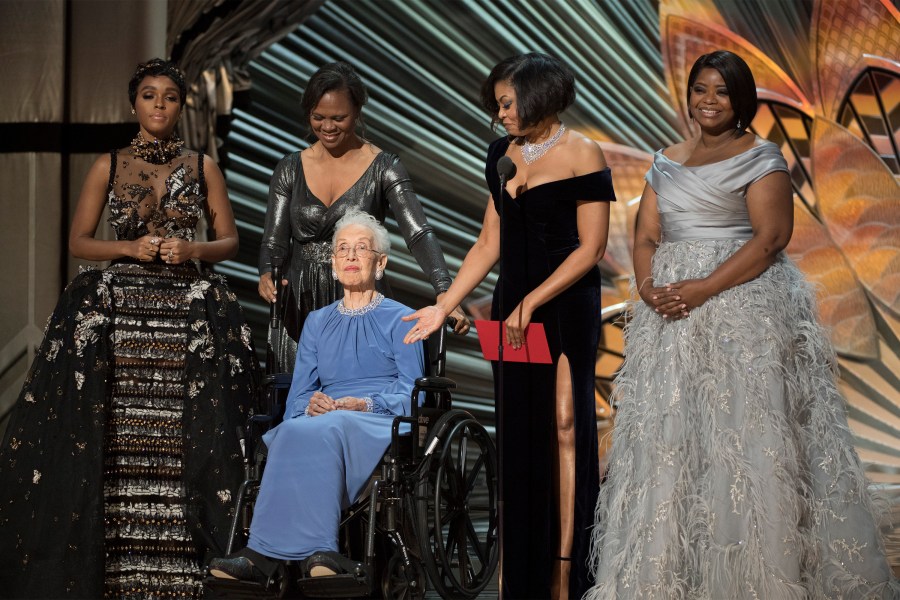
In the 1950s, mathematician Katherine Johnson became one of the first Black women to work for NASA. She was a treasured employee who rose the ranks. Her contributions led to the success of the Apollo Moon landing and subsequent missions.
Johnson worked at NASA until 1986 and continued to encourage young women to follow careers in STEM.
In 2015, President Barack Obama awarded Johnson the Presidential Medal of Freedom.
She was portrayed by actress Taraji P. Henson in the 2016 biographical film “Hidden Figures.” Johnson died in February at age 101.
3. Helen Reddy, singer, 78
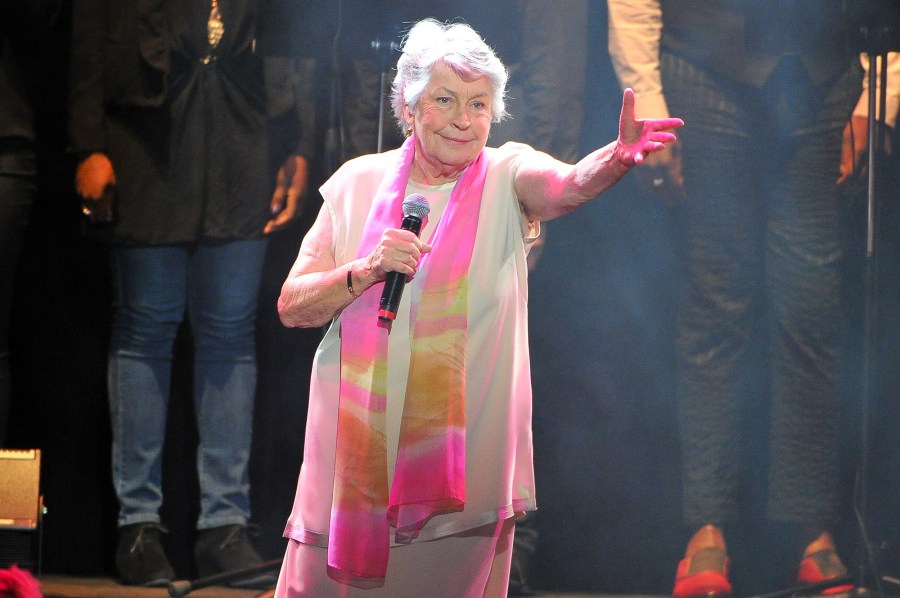
Helen Reddy is best known for singing the 1972 chart-topper “I Am Woman,” which was, at the time, a rare anthem for female empowerment. Reddy won a Grammy Award for the song, and during her acceptance speech, she famously called God a “she.”
Reddy was the first Australian singer to chart in the U.S. Fifteen of her songs made the Billboard Hot 100, but none made as strong of an impact as “I Am Woman,” which has been played everywhere from TV commercials to the Oscars stage.
Reddy died in September after suffering from Addison’s disease and dementia.
4. Lucille Bridges, anti-segregation icon, 86
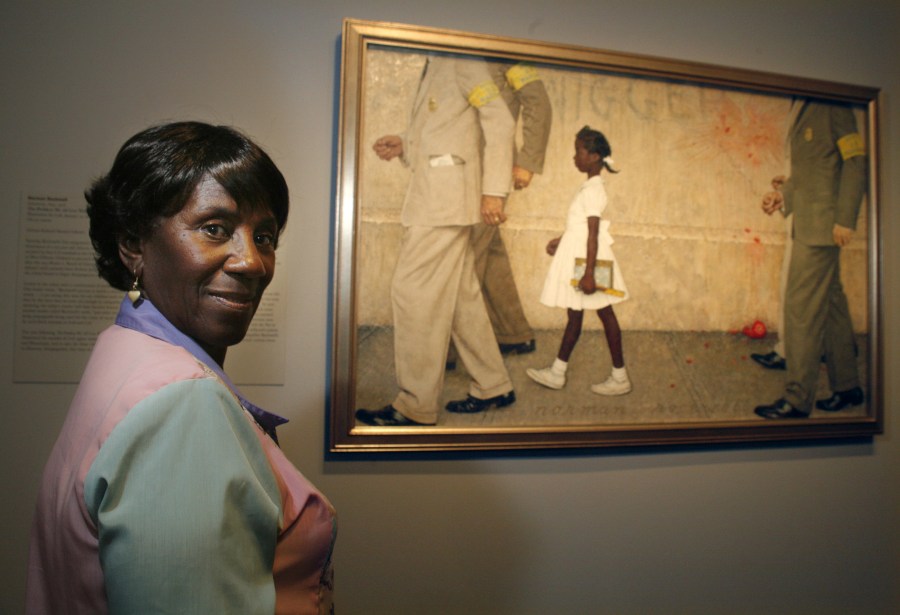
In the 1960s, a 6-year-old girl named Ruby Bridges became the first Black student to attend an all-White elementary school in Louisiana. The state had been forced to integrate under Brown vs. Board of Education, but many Whites were extremely resistant. Young Ruby was met with hostility, racism and violence that was later memorialized in a Norman Rockwell painting.
Ruby lives today, but her mother, Lucille Bridges, passed away in November. It was Lucille who insisted on sending Ruby to the all-White school so that she could receive a quality education, according to NPR. The family became symbols of the anti-segregation movement and civil rights.
Lucille Bridges died of cancer in November.
5. Roberta McCain, political socialite, 108
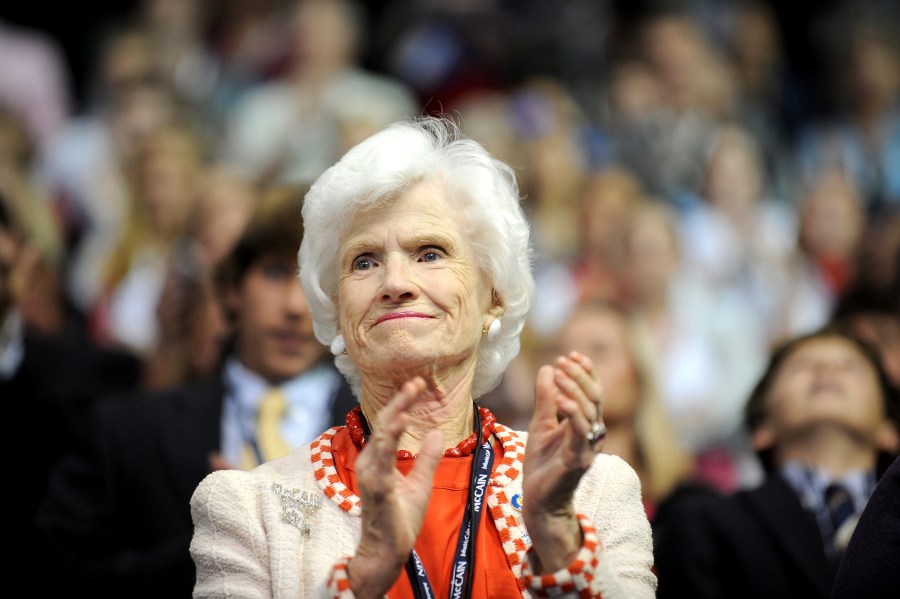
Roberta McCain was a stalwart supporter of her son, John S. McCain III, during his 2008 presidential bid. She died in October at age 108, outliving her son by two years.
McCain was an oil heiress who was proud of her husband and sons’ Navy careers. She sponsored a navy ship and was an active member of the Navy Wives Club. McCain also hosted world leaders for breakfasts and cocktails in her home on Capitol Hill.
Roberta famously remained outwardly stoic when her son became a prisoner of war for more than five years in Vietnam, according to the Washington Post. At the time, she wrote a letter to President Lyndon B. Johnson in support of his war policies.
6. Cecilia Chiang, Chinese food pioneer, 100
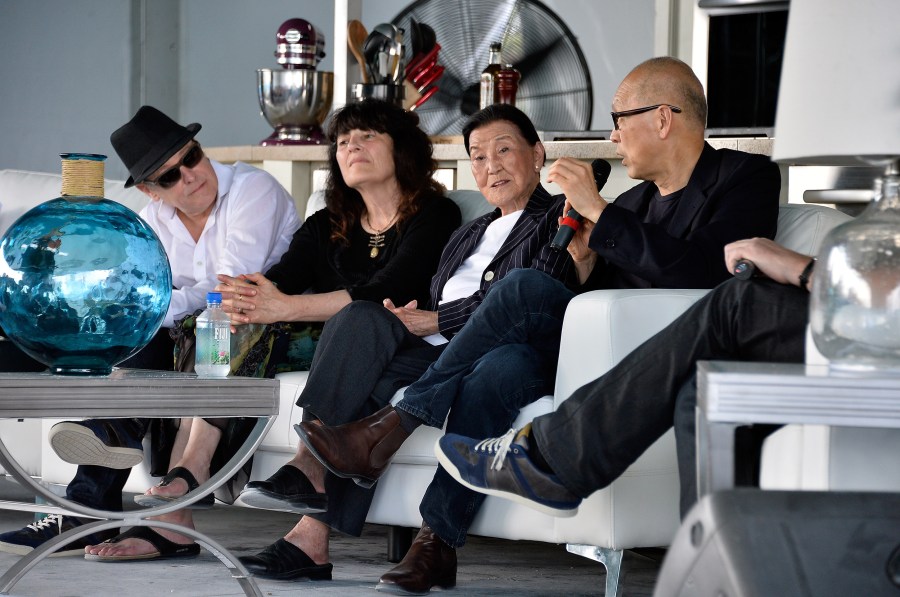
Americans have loved Chinese food for over a century, but Cecilia Chiang changed the game completely during her long career as a restauranteur from the 1960s through the mid-2010s.
Patrons had previously enjoyed low-cost, Americanized chop suey and chow mein. But Chiang, who was born near Shanghai, introduced the U.S. to a more upscale, authentic Sichuan style. Chiang ran the Mandarin restaurant in San Francisco, where she served “new” dishes like kung-pao chicken and tea-smoked duck to huge crowds that lined up around the block.
As Chiang opened a second restaurant in Beverly Hills and became a restaurant consultant well into her 90s, food critics credited her for popularizing regional Chinese food in the same way that Julia Child popularized French food, according to the New York Times. Chiang died in October at age 100.
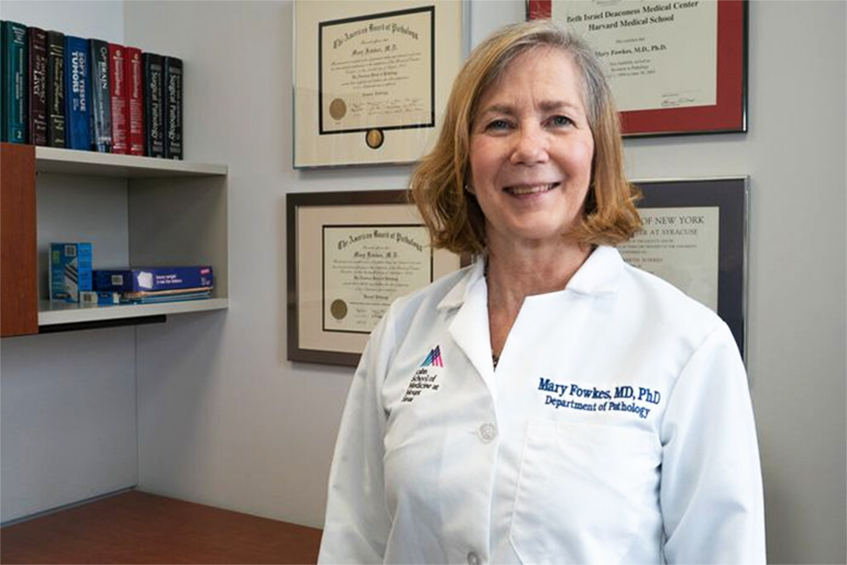
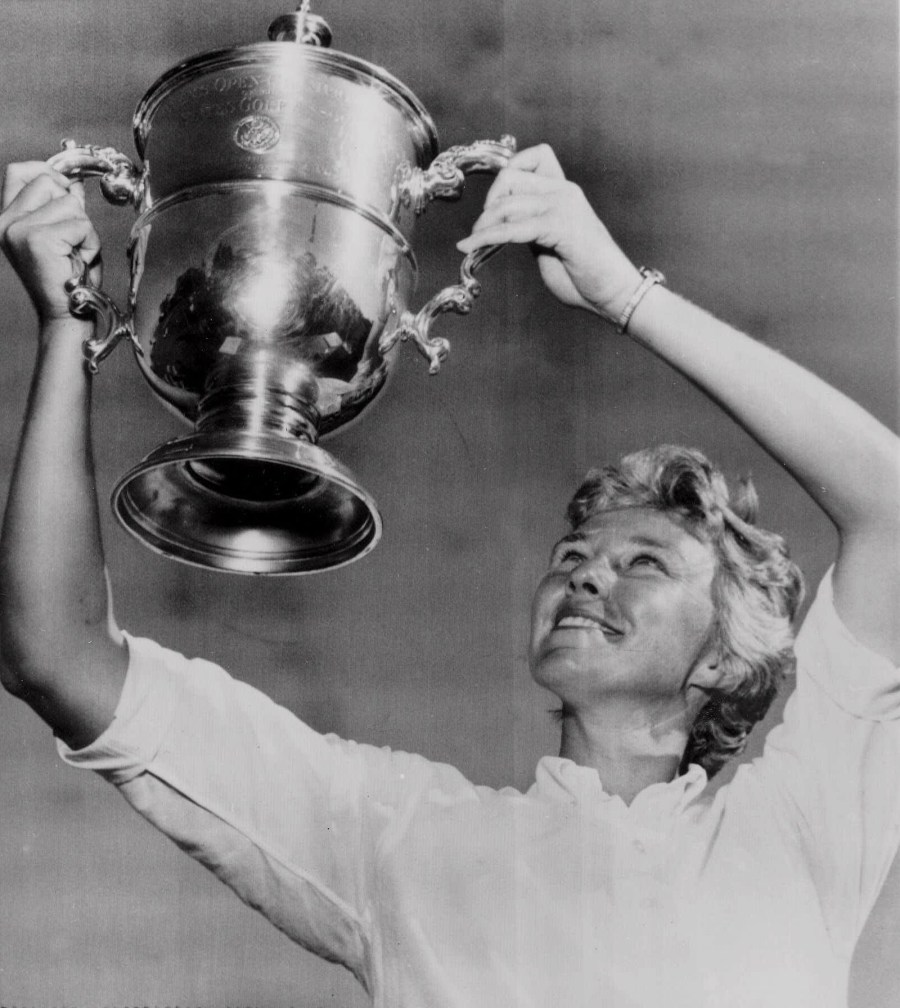
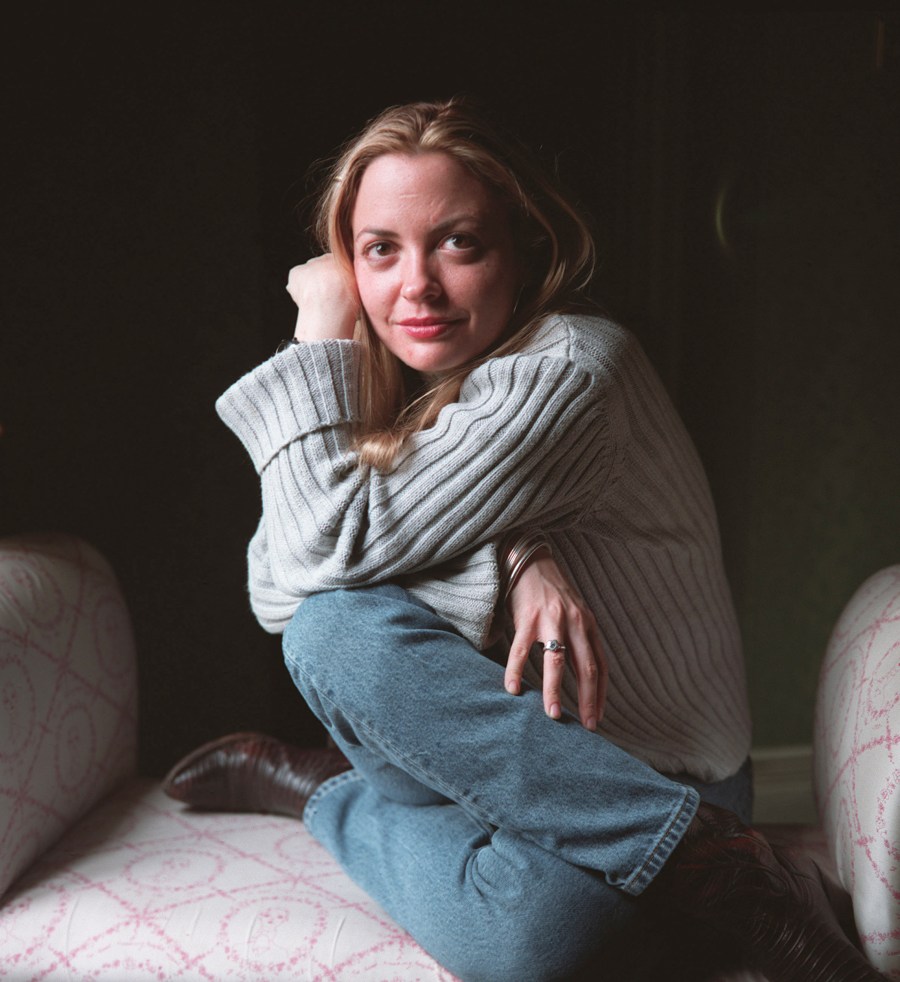
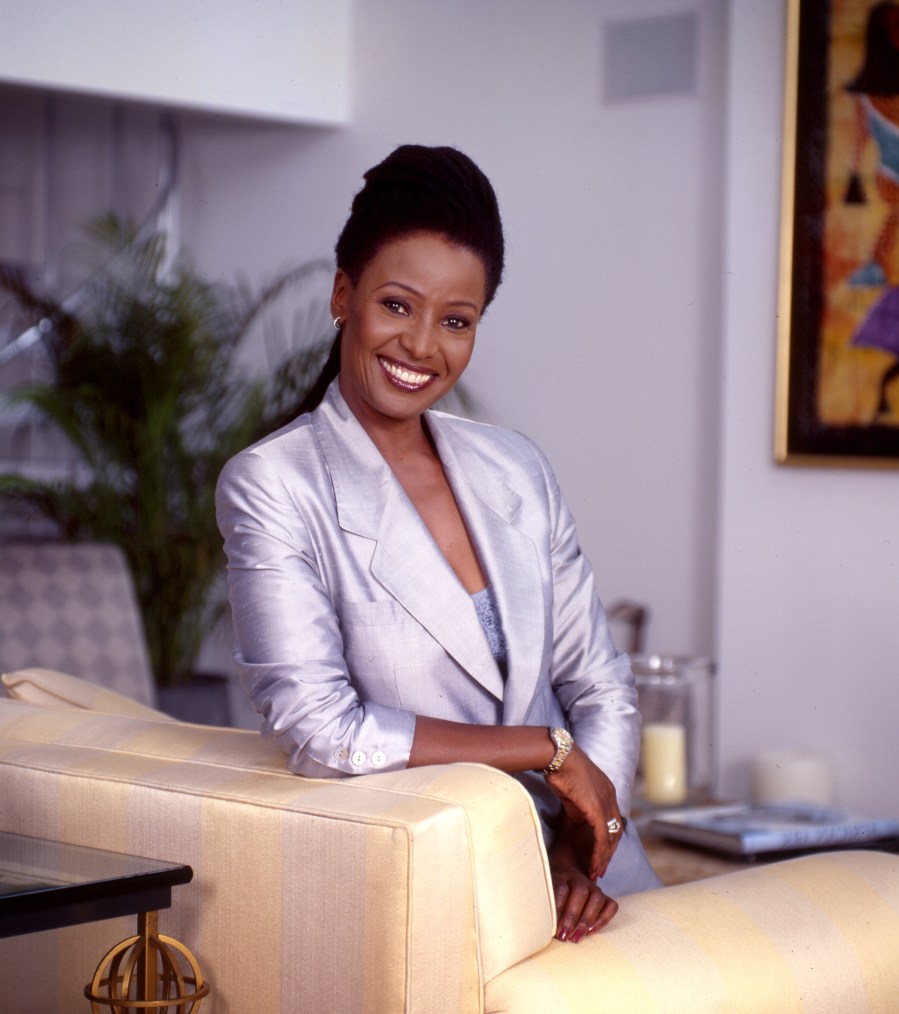
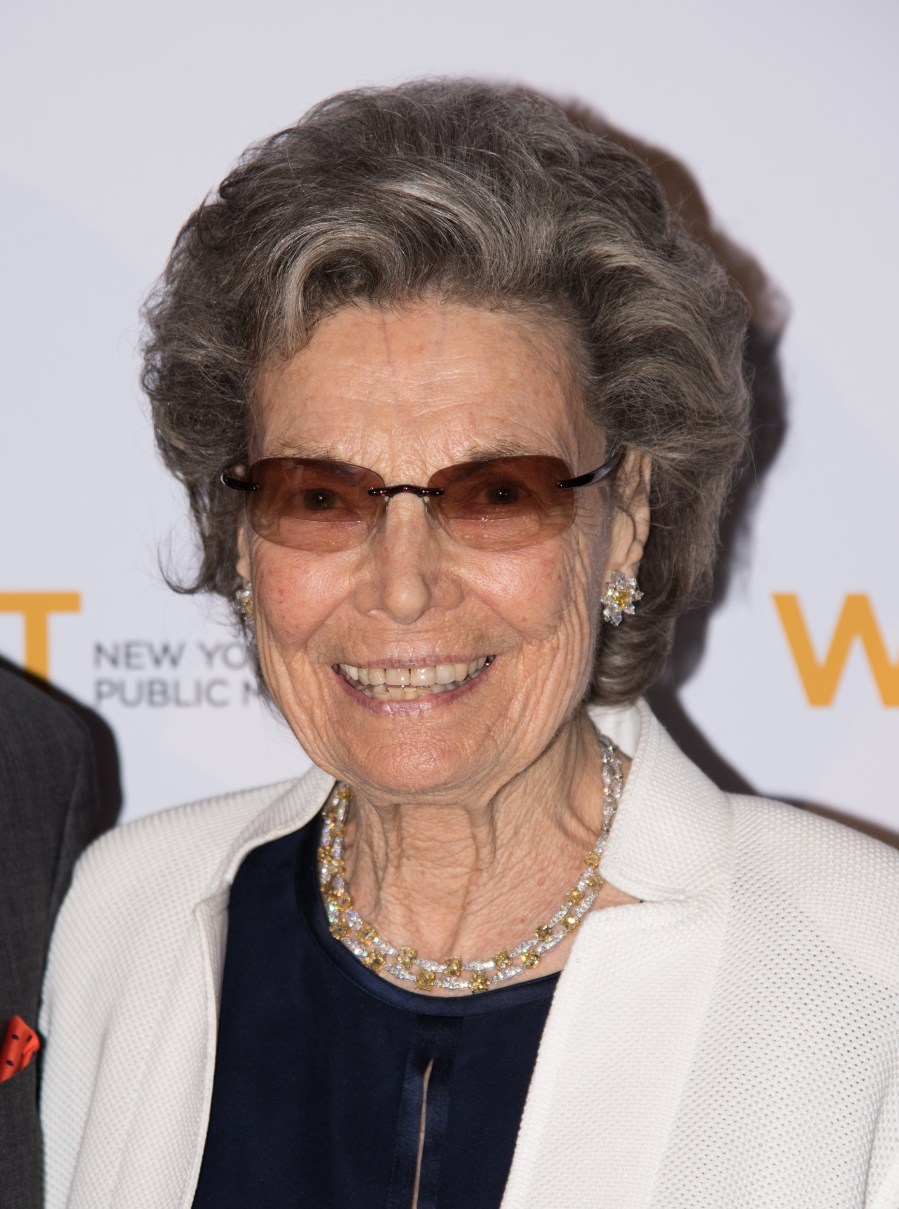
As doctors scrambled for answers early in the pandemic, neuropathologist Dr. Mary Fowkes performed autopsies on Covid-19 patients despite being in a vulnerable age group. Fowkes made the critical discovery that the coronavirus produces blood clots in the brain, lungs, heart and liver. This discovery led to the widespread use of blood thinners to treat patients with Covid-19, which led to health improvements among patients, according to the New York Times. Fowkes died of a heart attack in November. Considered by some measures the best female golfer ever, Mickey Wright was one of only four golfers—men or women—to win four successive major tournaments. Wright, whose career peaked in the early 1960s, was known for her powerful, record-smashing swing. She was inducted into the World Golf Hall of Fame in 1976. Wright lived quietly in retirement and died in February of a heart attack. In 1994, Elizabeth Wurtzel’s memoir “Prozac Nation” became a national best-seller. The book chronicled Wurtzel’s life with atypical depression, and was later adapted into a film starring Christina Ricci. Wurtzel wrote four more books. She continued to speak and write unflinchingly honest accounts of mental illness, casual sex and drug abuse from her youth. She announced in 2015 that she had breast cancer, and spoke openly about her double mastectomy. She died from the illness in January at age 52. B. Smith was the first Black model to grace the cover of the magazine Mademoiselle in 1976. She was also a Broadway and TV actress who appeared on “Mr. Rogers’ Neighborhood” and “Sabrina the Teenage Witch.” But Smith’s greatest legacy arguably lives in her restaurants. Smith owned acclaimed, Southern-inspired establishments from the 1980s through the mid-2010s in New York City, Long Island and Washington, D.C. Smith wrote cookbooks and designed decor, becoming the first Black woman to debut a home product line at Bed, Bath & Beyond. Smith died of Alzheimer’s disease in February, but not before writing about her journey with the disease in her 2016 book “Before I Forget.” It’s a little known fact that the icon “Rosie the Riveter” was based on a series of real people. The first in that series was a Long Island woman named Rosalind Walter who died in March at age 95. During World War II, Walter was one of many women who worked in factory jobs usually reserved for men. Walter was working a night shift building fighter planes in Connecticut, when a local newspaper wrote an inspiring story about her efforts. The article inspired musicians Redd Evans and John Jacob Loeb to write a song called “Rosie the Riveter,” according to the New York Times. Thus the mythical figure was born—though other women would model as the physical, bandanna-clad Rosie later on. Walter, who came from a wealthy family, was a major contributor to the PBS network later in her life. The extremely prolific Mary Higgins Clark wrote 56 suspense novels in her lifetime, and all of them were best-sellers, according to her publisher Simon & Schuster. With over 100 million copies of her books in the U.S, her massive fan base knows her as the “Queen of Suspense.” Clark began writing in her mid-40s and published her debut novel “Where are the Children?” in 1975. Her last book, “Kiss the Girls and Make Them Cry,” was published in 2019. Clark died of natural causes at age 92 in January.
Halley Bondy Recommended


7. Dr. Mary Fowkes, neuropathologist who studied Covid-19, 66
8. Mickey Wright, legendary golfer, 85
9. Elizabeth Wurtzel, author of “Prozac Nation,” 52
9. B. Smith, restaurateur and model, 70
11. Rosalind Walter, the original “Rosie the Riveter,” 95
12. Mary Higgins Clark, suspense writer, 92

