








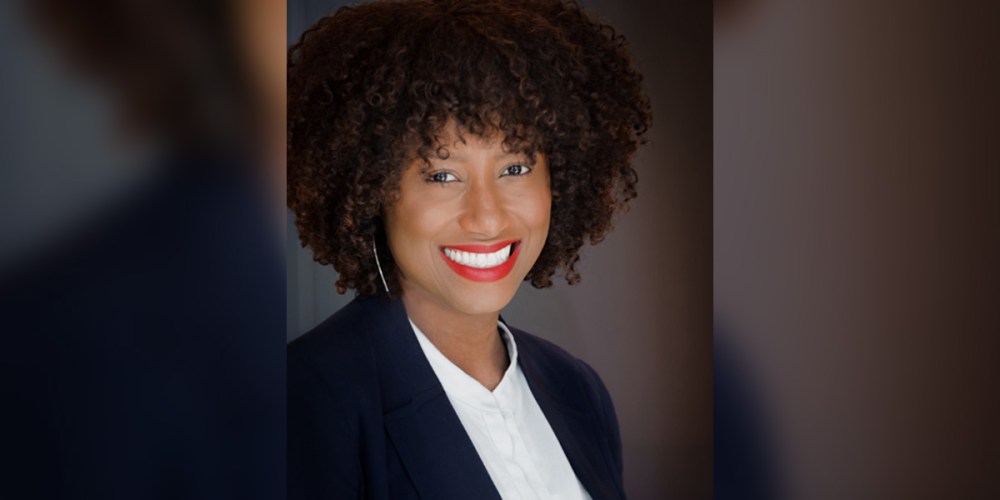
Conversations about race—and racism—in my family are nothing new. I’m a Black woman, a Black mother. My husband is white. My family is from Jamaica, his from Ireland. Our kids, ages 11 and 13, have grown up in Brooklyn.
These conversations haven’t been optional for us. We never figured they were too young, or they’d pick it up in school. We’ve also been clear that racism is real, that racism is wrong, that our family believes people should try to love and make our society and systems better and fairer for everyone.
And then three weeks ago, George Floyd was brutally murdered at the hands of white police officer Derek Chauvin. The tragedy has sparked protests in our streets and reckonings in our workplaces. It has thrown into relief the systems of inequality and racism that persist in our country, even as many would prefer to think of racism as a remnant of our past—something written about in text books.
As our kids watch it all unfold, this moment has called for some of the most direct and unvarnished conversations about race and racism that we’ve ever had.
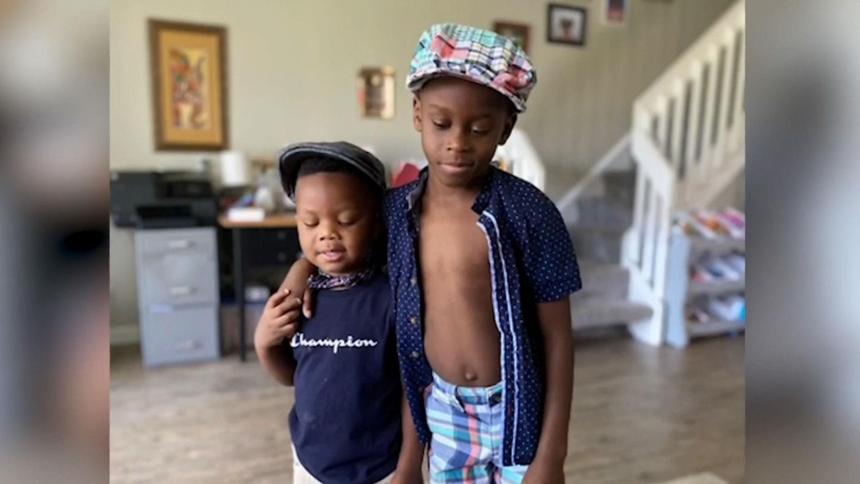
I know I’m not alone. Parents across the country of all races are grappling with how to talk to their kids about race and racism—with some white parents realizing, perhaps for the first time, how important it is.
The truth is, there’s no one way to do it. Not for any of us. No playbook to follow or Google search to input. These conversations look different for different families—depending yes, on your race but also depending on the makeup of your community, your financial circumstances, your ethnicity, your own upbringing and experiences with racism.
But it’s critical they happen, so there are a few things I try to keep in mind when it comes to conversations with my own kids.
1. These conversations don’t have to be serious “sit down at the kitchen table” moments.
What they should be is integrated into our everyday lives. And unfortunately, because racism is so deeply systemic and rearing its head constantly, they can be.
My own family uses humor as a way to navigate implicit bias. I can joke with my kids about how Band-Aids are just now coming out with diverse skin tones, why there is the gratuitous “Black friend” with no backstory in so many movies or sitcoms, or that our smart speaker persistently played Elvis Christmas music when I explicitly asked for The Complete James Brown Christmas.
As a counterpoint, these conversations can also be serious, unplanned moments of reflection. A few years ago, after the murder of Eric Garner, my son asked a painful question about why police treated black men that way. It was jarring as a parent to see him constructing such a narrative for himself because it wasn’t something we had discussed in that way before—a narrative that pitted one group against another, without space for nuance. But it was one grounded in what he was taking in, and it opened up an important conversation for us.
2. We must meet kids where they are on their journey
. How old are they? What are they (or aren’t), conscious of? What are they watching? What are they reading? Who are their friends? Start there. When my daughter was 8 years old, she picked up a book from the Girls Who Code fiction series—and saw a young black girl on the cover. It gave us a chance to connect about representation in a way that was meaningful to her. Further, it was a moment that was integrated into our everyday lives—a natural time to bring up the idea that “you cannot be what you cannot see.”
It’s easy to project everything we think about race and racism onto our kids. It’s instinctive to want to ground their experience in our own. But as adults, we’re better equipped to grapple with hatred and fear and rage. We have to be honest with our kids, but we shouldn’t be prescriptive either. Invite them to grapple with the real complexity of these issues on their own. To see nuance, and to find kindness, empathy, and love. Our job is to make them feel safe while they do so. Even with these tactics, these conversations are imperfect. Kids are confused, angry, stressed, scared. And… they’re kids. One moment, they’re coming to you with questions—the next, they’re getting antsy and want to go play Roblox. We have to remind ourselves that kids need to process on their own, and that it’s okay for them to walk away or to sit with their feelings. If we make them feel safe and create space for their questions, they will come back around with more. And on that note, we have to be as kind to ourselves as we are to our kids. Parenting is exhausting, parenting in the middle of a pandemic even more so, and parenting in the middle of a pandemic while processing centuries of racial injustice can feel impossible. The only way to fail right now is not to bother. To decide it’s too tricky, or that you may say the wrong thing. We cannot let our fear of failure deter us from the work that needs to be done. Yes, this is a time for protesting, donating, doing. It’s also a time for us to have—in some cases long overdue—conversations about race and racism with family and friends—starting with our kids. Dr. Tarika Barrett currently serves as Chief Operating Officer at Girls Who Code, an international non-profit organization working to close the gender gap in technology. In her role as COO, Tarika oversees the organization’s free Summer Immersion Program and after-school Clubs Program, which have reached 300,000 girls across the United States, in addition to the International Expansion, Alumni Programming, and People & Culture teams. Tarika also serves on the board of CSforALL. She lives in Brooklyn with her husband and two children.
Dr. Tarika Barrett Recommended


3. We must give kids space to process these issues themselves.
