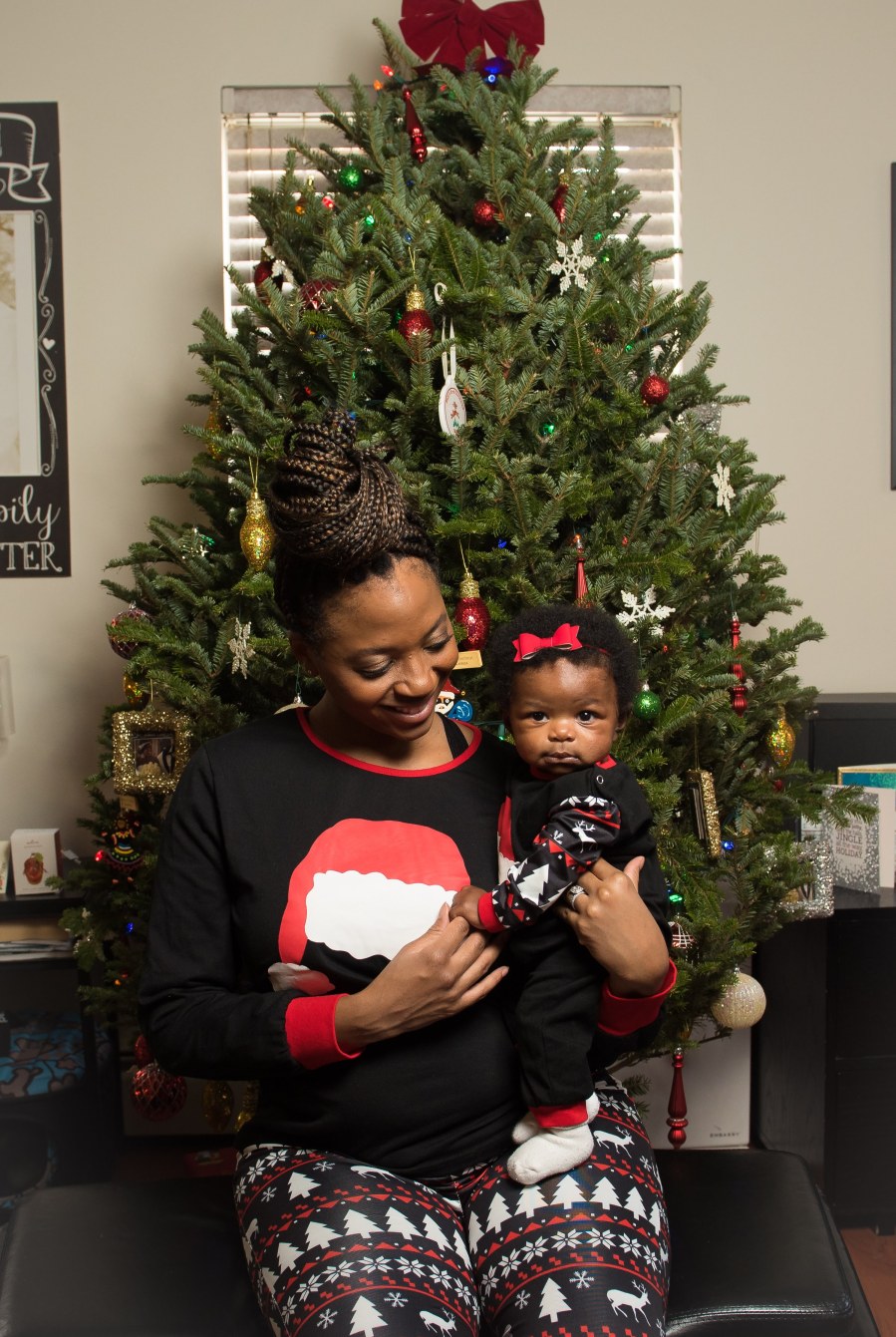
As a professional dancer, Erin Carpenter was required to wear flesh-colored tights and undergarments to both rehearsals and performances. There was just one problem — those “flesh colored” tights didn’t match her skin color. The options that were available were either too light, too dark, or just unnatural-looking.
The issue culminated when Carpenter walked into her first class at the prestigious Kennedy Center Dance Theatre of Harlem Pre-Professional Residency program. She was told that she had to sit out and watch because she wasn’t wearing “the appropriate uniform.”
“When you see something on the market that doesn’t represent you, you feel like you don’t fit in,” Carpenter, 34, told Know Your Value.
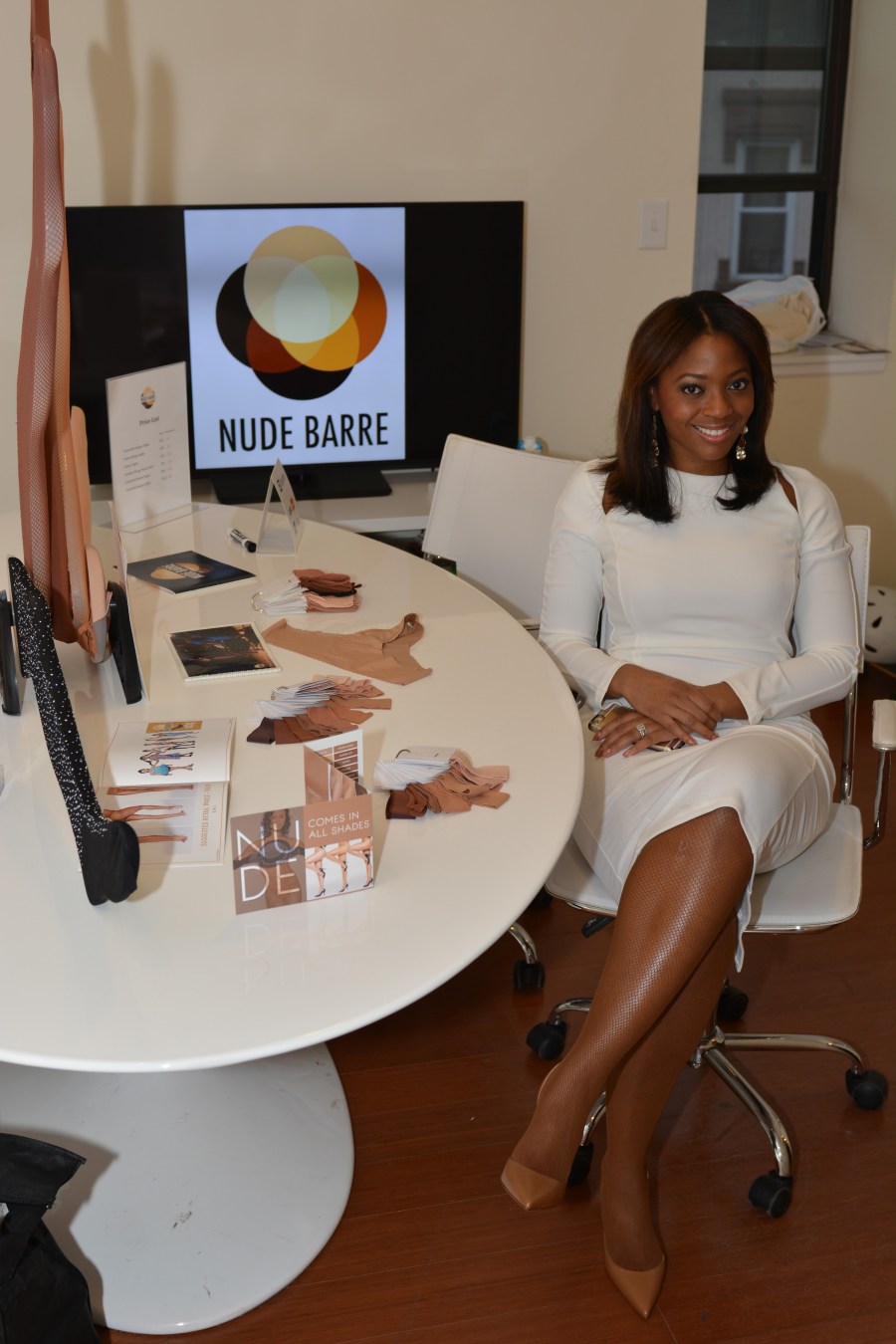
So, instead of struggling to fit in, the New York City resident decided she’d rather stand out and create a new role for herself: CEO. In late 2011, Carpenter launched Nude Barre, an eco-friendly line of tights, underwear and bralettes offered in 12 different shades. Serena Williams even sported Nude Barre’s tights at Wimbledon last year, setting Twitter on fire and rewriting the style book for athletes.
Spotting a hole in the market and figuring out how to fill it
Growing up in the Washington, D.C. area, Carpenter spent years training in ballet, jazz, tap, hip-hop and African dance. She attended a performing arts high school and began thinking that she would have a decent shot performing professionally.
That’s why she was so devastated when she had to sit out at the residency program because of her tights. Carpenter, who was a senior in high school at the time, had been wearing the same industry-standard tan tights and shoes throughout her dancing days.
What she didn’t know was the unspoken rule that every student and company member had to dye their tights and cover their shoes in makeup to match their skin tone perfectly.
After that embarrassing day, Carpenter experimented and found the perfect mix of Rit dye and the appropriate number of “dips” to color her tights to better match her skin color. She patted her foundation makeup on her shoes. The process had to be repeated almost weekly.
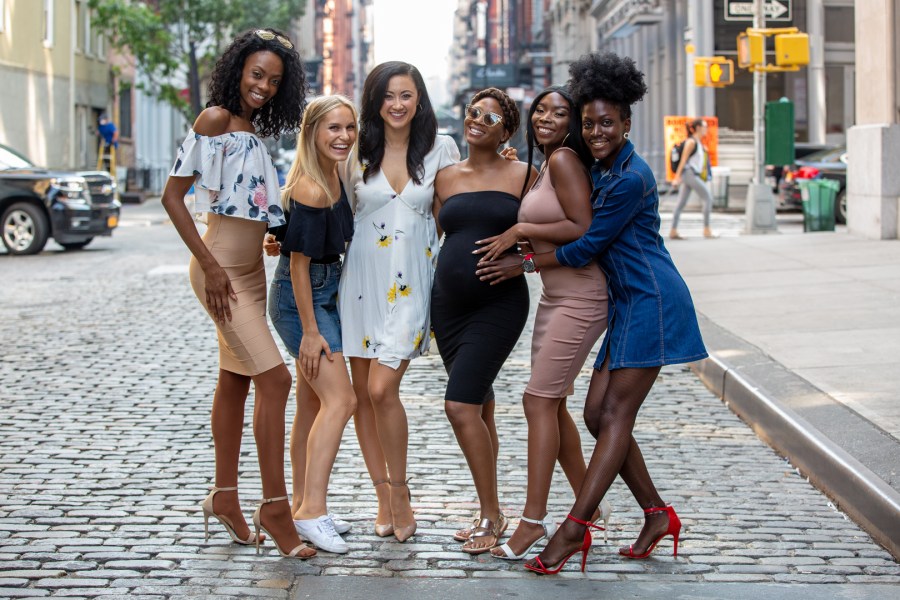
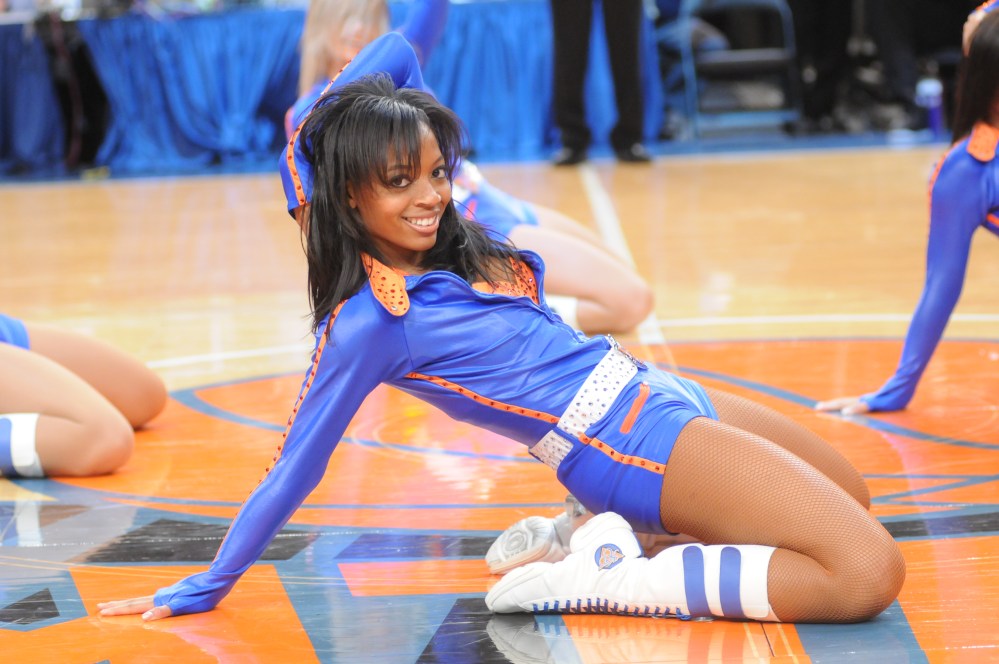
“I was so frustrated by doing this science project in my bathroom or kitchen every week. And it seemed absurd,” she said. Yet every other dancer was doing the same thing. As Carpenter got hired for more professional jobs — dancing with top agencies, in commercials, off-Broadway and with the Knicks City Dancers — she recounted, “I kept thinking there would be an option for skin tone tights I didn’t know about. But that wasn’t the case.”
Fed up with the hassle, Carpenter complained to her father and he came up with a solution. “Why don’t you start a company to make the tights yourself?” he asked.
At first, Carpenter, who was 24 years old at the time, laughed off his suggestion. But the more she thought about it, the more it seemed feasible. Carpenter had taken business classes at Marymount Manhattan College while majoring in ballet because she knew she wanted to be a business owner. She assumed that would mean having a dance studio or fitness business when she could no longer dance professionally. She never expected to go into manufacturing, especially at a young age.
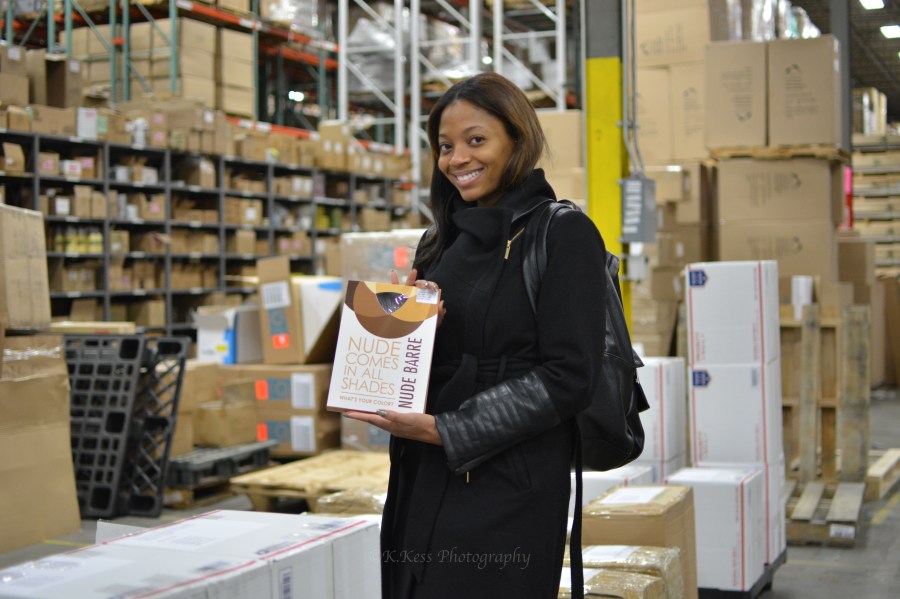
“Slowly, I started having conversations with people that started opening some doors,” Carpenter said. While chatting about the idea with a barre teacher, Carpenter discovered that the teacher had started manufacturing “grippy socks” that were now sold through the studio. Since socks and hosiery are made by the same machines, her friend was a great resource.
She also talked to costume designers who made suggestions on style and durability, eventually leading to her first sample. She used the Knicks City Dancers — women of all colors — as an unofficial focus group, asking for their feedback and researching the shades of foundation they used. Ultimately, Carpenter created her first palate of 18 shades.
From dancer to CEO … and mom!
“People assume based on my story that I made these products only for women of color. But some Knicks Dancers were pale and needed lighter colors than the typical ‘suntan.’ They had olive skin, or they were fair with yellow undertones. Those colors didn’t exist,” Carpenter said.
She refined her shades, eliminating those that were too similar or didn’t sell, and ended up with her final offering of 12 colors, from fair to dark. Her competitors only offered between four and eight shades. She also decided to offer more diversity in size, which aligned with her company’s mission to empower all women. The number of women-owned businesses, like Carpenter’s, has increased by 58 percent since 2007, according to the Women’s Business Enterprise National Council’s analysis of reports by American Express and SCORE. And businesses owned by women of color have grown by 163 percent since that time. For two years after incorporating the company, Carpenter saved payments from her performance jobs to invest in Nude Barre. She finally began selling her products online in late 2011. Television host Wendy Williams discovered Nude Barre on her own and spontaneously began posting about the tights on social media in 2012. She even referred other celebrities, like television personality Star Jones. Model Tyra Banks’s agent personally called Carpenter for a pair for Tyra because Williams was wearing them. And other celebrities began making their own requests, including members from the music group Fifth Harmony, reality star Melissa Gorga, and cast members from multiple Broadway shows, dancers for Beyoncé and, of course, the Knicks City Dancers. Carpenter eventually took a step back from performing to focus on running her company. Currently, she is Nude Barre’s only full-time staffer, and she manages a team of five remote part-time employees. She oversees the company, which mostly sells its products online, from home from 9 a.m. to 5 p.m., teaches seven barre classes in New York City and is the proud mother of a 7-month-old daughter. And now that she has a daughter, Carpenter feels even more passionate about her company’s mission. “Offering options that are diverse, like skin tone and size is so important. When you already feel like you don’t fit in and they don’t make products to suit you, it’s a double whammy. Now that I have a daughter, I think about her, and it’s really impactful for me to think about diversity being normalized for her in the future.” Thinking about starting your own business? Don’t wait, advised Carpenter. “I find that a lot of women (and I was definitely this person) think, ‘I don’t know enough. I’ll start next year when I know more.’ There will always be growing pains that you won’t see. My biggest advice is to just get started. As you move things along, build a great network. Find people who are ahead of you to give you advice. Keep people around you that you can ask for guidance. At the end of the day, no matter how seasoned you are, you’ll never know everything.”
Rosie Colosi, TODAY
Rosie Colosi is a reporter for TODAY Parents. Recommended