My 2020 kicked off in crisis mode. In January, a fire broke out in our New York City apartment building. Smoke engulfed several floors, including ours, and it took 100 firefighters to control.
Navigating its aftermath and the anxiety about the health impact on my family was not exactly how I envisioned starting a new year. But it jump-started skills that would prove necessary just two months later.
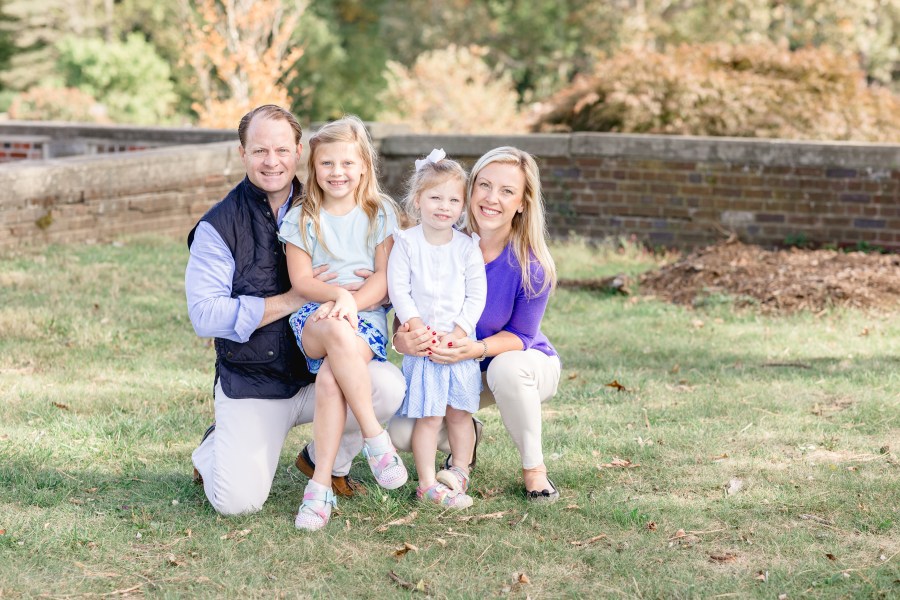
We didn’t realize we were saying goodbye to our home, community and the life we’d built when we left New York City on March 13, 2020. I certainly hadn’t told my two daughters (ages 6 and 2) that they’d never sleep in their bunk beds or see their friends again.
For five months, we relocated to Long Island where we sheltered in place as a stunned, yet safe family of four. It wasn’t until week six that I ventured back to our apartment for clothes, toiletries and the most missed items. That uncharacteristically quiet evening in Manhattan, I was relieved to find our beta fish still swimmingly alive. Moments later I heard a chorus of clapping and pot banging outside. It was 7 p.m. and my once vibrant city had come alive again to champion its heroes, the frontline workers. That moment will forever stay with me.
My husband and I operated in survival mode trying to salvage my small business while attempting to stay calm in front of the kids. The majority of my revenue comes from in-person events across the country and around the globe. Ninety percent of my paid engagements were canceled or placed on hold indefinitely. My husband works in the hotel industry so, needless to say, our nerves were fragile. I had two paths forward: I could abandon self-employment and find a new job, or I could pivot online to save the business I had spent seven years building.
I decided to invest my energy into a virtual training pivot. I spent more than 20 hours in Zoom, WebEx, Blue Jeans, Google Meet, and Microsoft Teams trainings when the kids were asleep, engaged in remote learning or having screen time. I revamped my Survey Monkey platform to begin collecting as much data as possible from women around the world about their pandemic experiences at work and home.
The women I coached during that angst-ridden time really fueled my creativity. The stories I heard firsthand informed everything I created in an effort to empower them and educate companies on where they could step up to invest in their people.
But they reminded me of how much I missed connecting in person. We ate together, laughed together, got fired up about challenges and had breakthroughs on ways to change both the culture at their company and the trajectory of their own career. Could I cultivate that same energy in a virtual environment?
In April, I launched my virtual engagements. Instead of thinking about what was lost in the move from physical space to video, I pulled out a whiteboard and thought about what else I could that I hadn’t done before.
I now had time to build on the content I shared, which proved that career derailers for women are real, research-based and consistent everywhere. Designing new digital resources and experimenting with interactive video features gave me breathing room as the facilitator.
They allowed me to introduce content like Reshma Saujani’s advice on overcoming perfectionism, Alicia Menendez on the likeability penalty, and lessons from Professor Stephanie J. Creary, an identity and diversity scholar who has led research on how to be a better ally to Black colleagues.
I’m proud to say that, in the past nine months, I’ve trained over 300 female leaders and led virtual workshops for thousands of women and men. The more energy I put into supporting the women I connected with, the more endurance it delivered back to me.
As their coach, we collaborated on how to pull through tough times and celebrate the silver lining, emphasizing self-care. Regardless of their personal circumstances, whether they were working mothers or single women living far from family, teaching positive psychology strategies and short-term goals proved invaluable.
RELATED: Mika: How I find a ‘mindfulness moment’ — even in a pandemic
Practicing mindfulness and gratitude have been crucial in managing my emotions, stress, worries and perfectionist tendencies. Teaching other women about the hacks and tools I use reinforces my dedication to them too. It strengthened our collective stamina. We laughed and built a special camaraderie based on vulnerability and the belief that we all deserve more. I was emotionally present and admitted where I also fell short. Like so many, my husband and I have been hustling at work and home. And, over the summer, that home changed for the third time. We made the decision to leave the city and start a new chapter in the suburbs. It gave us a fresh start and more space, but I worried about the girls starting new schools. Thanks to a welcoming community, they transitioned beautifully. We now coordinate work calls around drop-offs and pick-ups, in-person activities and Zoom calls, alternate homework duty, packing lunches… and that’s just the kid-related responsibilities. I’m sure as many can relate, it was a week-to-week, sometimes day-to-day or moment-to-moment strategy. But leveraging Eve Rodsky’s Fair Play with a side of Barefoot Contessa’s recipes helped. I have tremendous gratitude to the communities that are taking special care of our girls. It’s not just their education, but their social, physical and emotional wellness too. This year has proved that even a virtual village can come together. Here’s my advice to other women going through similar transitions who want to pivot to a place of strength in 2021: 1. Invest in your network before you need it. Social media and good, old-fashioned phone calls have helped me maintain relationships with colleagues, mentors and friends. But sometimes a great deal of time goes by in between. Don’t let that hold you back from reconnecting. Reach out to new people. Check in with your peers. It can reset your perspective. 2. Claim your space. Pandemic research uncovered that more men than women were establishing quiet, dedicated spaces in their homes for work while women sat in prime disruption areas. You deserve the energy that comes from peace and privacy. Even a closet or bedroom nook can be repositioned as a place where you can focus, reflect and retreat. 3. Set goals around emotions. If you feel stuck or struggle with imagining the possibilities for your career, try to first connect with the emotional and mental place you want to be. Visualize how you want to feel three months from now. Do you want to feel excited, hopeful, grateful, resolute or more self-assured? It’s important to plan out long-term goals, but this year showed that taking micro steps could benefit you in the short term. 4. Strengthen your relationship with female peers. Many women seek my advice about building connections with senior leaders to grow their visibility and find sponsorship. That’s important. But it’s just as crucial to be better allies with your peers. We’re going through so much right now. Take comfort in knowing you are not alone and try confiding in someone who has a relevant day-to-day experience so you can lift each other up as you persevere.
Joan Kuhl
Joan Kuhl is a champion for girls leadership and advancing women working in business and sports organizations. She is the author of "Dig Your Heels In" (April 2019) and "Misunderstood Millennial Talent" (2016). Joan leads global research, training and consulting initiatives in 24 countries on gender and generational dynamics in the workplace for corporations and business schools. Joan helped develop a national leadership curriculum for U.S. Soccer and nonprofit LiveGirl. Follow her on Instagram @joankuhl. Recommended