








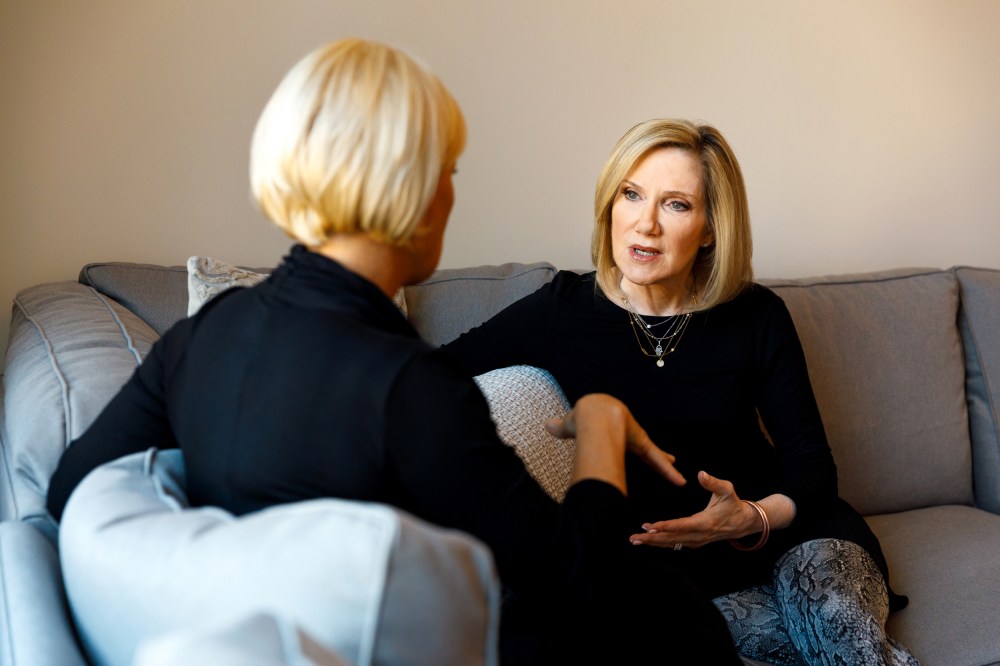
During Breast Cancer Awareness month, I want to share my own story, and explain what “awareness” means to me. I am in the sisterhood of many women who have a family history of breast cancer. My mother died from the disease when she was 41. Her mother died from breast cancer when she was 38.
As a later-in-midlife woman, I’ve struggled most of my life with getting breast cancer screenings – and balancing what was best for me. I’ve always had an underlying fear of taking the test and getting a positive result.
While 75 percent of women diagnosed with breast cancer have no family history, the 25 percent of us who do, worry the disease is looming closer than it is for “regular” people.
While I have a scary family history, the good news is that there are no other relatives on either side of my family with breast cancer — or cancers of any kind.
Still, every year is emotionally difficult when I do my due-diligence and get my annual screening and do self-exams. Fortunately, I’ve gotten a clean bill of health every year. That said, I’ve also been advised for many years to consider genetic testing for the BRCA gene, a strong indicator of breast cancer risk.

However, at each yearly mammogram and gynecological exam, I respond to my doctors with a smile and say, “yes, I’ll consider it,” but never follow through.
That is, until this year. What changed my mind? A good friend with low risk and no family history, went for genetic testing (because of the higher risk to Ashkenazi Jewish women). Her test came back positive. That’s also my gene pool, although only about 10 percent of women test positive for BRCA.
I was inspired by her “take charge” action and facing the news head on, with a plan that covered both her medical and emotional needs. I realized my results were an important piece of information for my daughter and my niece to have. It was finally time to follow the same advice which I have always given to my patients, family, and friends: Get all the available testing and screening that’s right for you (not only for breast cancer, but other cancers and chronic illnesses).
I’m happy to say the test came back negative. It was a huge relief.
I’m sharing my experience because so many of us are fearful of breast cancer screenings. We worry about the results and ask ourselves, “what if the test comes back positive?”
It’s often a mental struggle to look at these screenings as the best way for early intervention – when treatments are most effective. We must all fight these fears and forge ahead, with the belief that this knowledge is empowering.
While it’s great to wear pink and contribute to breast cancer research, it’s just as important, if not more, to have the personal awareness to take action: know your own body, identify your risks and take care of yourself. Encourage your friends and family to do the same.
While screening helps address factors out of your control, here are some things you CAN do to help reduce your breast cancer risk:
– Get to know your “girls” with a monthly self-exam. It’s the best way to know what feels normal for your own breasts, for better awareness of what a change would be. -Talk to your gynecologist about your risks, and the right type of screenings for you. -Eat a healthful diet full of fruits and vegetables — and do your best to maintain a stable, healthy weight. -Aim for a diet moderate in fat — around 20-25 percent. Even with a focus on heart healthy plant fats, be mindful of your total daily fat intake. -Limit your alcohol intake. If you do choose to consume, limit your drinking to one drink a day (4 ounces of wine, 12 ounces of beer or 1.5 ounces spirits). -Get some daily physical activity. Meeting health guidelines for daily activity can be as little as a 20 minute daily walk, and more if you can. When it comes to activity, any amount is a health plus. For me, a combination of diligent medical care and a healthy lifestyle is the best way I have learned to face my fears, take action, and lower my risk of breast cancer. I hope these thoughts help you in your own journey. Madelyn Fernstrom, Ph.D. is the NBC News Health Editor. Follow her on Twitter @drfernstrom.
Madelyn Fernstrom, PhD
Madelyn Fernstrom, Ph.D., is the Diet and Nutrition editor for TODAY.
Fernstrom is a professor of psychiatry, epidemiology and surgery at the University of Pittsburgh Medical Center and a board certified nutrition specialist from the American College of Nutrition. She is the founding director of the UPMC Weight Management Center. Recommended


