Between the COVID-19 pandemic, the racial reckoning playing out in the streets and a political atmosphere that seems on the verge of tearing our country apart, it makes sense that commercials for meditation apps and virtual counseling services are becoming ubiquitous. At least that’s what I’ve seen in my social feeds.
My algorithm got the message before I did, but as someone who has seen therapists off and on since my 20s, I knew I had reached the point where I needed to seek out some help. The weeks following George Floyd’s death and the video of his killing being shared worldwide left me in tears on random days and at random times. I believe I’m mourning Floyd and others, but also grappling with questions of my identity as a professional black woman.
RELATED: Mika: A mental health crisis is upon us, and we cannot ignore it
My theory, for a very long time, has been that if I really screwed up in one of my jobs, then I would be responsible for other Black women not being considered for positions. I’ve always thought that I have a responsibility to work harder and perform better than the White dude down the hall and, well, everybody else. If I could prove that a Black woman can get s*** done, then the gap in the door that I got through would be widened.

This theory seemed less sound after I watched, over and over again, a police officer kneel on Floyd’s neck. I decided it was time to talk to a therapist.
But I kept asking myself, “Who should that therapist be and should that person be, well, Black?”
I posed that question to Dr. Joy Harden Bradford, a licensed psychologist in Atlanta and host of the popular podcast “Therapy for Black Girls.”
“My experience has been that Black people, especially right now, are wanting to talk to more Black therapists, and even before the pandemic started there were not enough Black therapists to go around,” Dr. Harden Bradford told me.
Dr. Harden Bradford and Dr. JaNaè Taylor, a licensed professional counselor in Virginia Beach have both experienced an uptick in people reaching out to seek help. Dr. Taylor thinks it’s important for people to have the option to choose a Black therapist among a list of referrals and possibilities, but both acknowledge that there are some limits when it comes to finding a Black therapist who has the space to accept more clients.

Dr. Harden Bradford believes that a White therapist could definitely help struggling Black clients in this time. “There are plenty of White therapists who understand that the cards are different for Black people, especially Black professionals.”
But the therapist needs to have done some work.
“There are some things, specifically more race-based kinds of things, that if White therapists have not done their own work, are not going to be able to set up a helpful environment for Black people to be in therapy with them. So, people who don’t really understand what Black Lives Matter is all about, or who have these really misguided ideas about looting and all of those kinds of things, I think that that would not be a healthy environment for a Black person,” Dr. Harden Bradford said.
Along with therapists having to do some work, a client needs to do some too, even before they pick up the phone. Even the pictures a therapist puts up on their website can be a clue to whether that practice is welcoming to different kinds of clients. And a counselor’s social media feed, at the very least, can be a way to find out how they are engaging with issues of race right now.
Dr. Taylor agrees with Dr. Harden Bradford about doing the background work. “We want to make sure that if you are coming to therapy and you are feeling the weight of both of the pandemics, the COVID and the racial injustice piece, that you are able to sit with someone who is able to honor what’s going on for you, [someone] who’s able to respond appropriately.” That means being armed with a few questions to evaluate your potential therapist. Dr. Harden Bradford said one simple question to ask is, “How many Black clients do you work with?” She also suggested asking the potential therapist’s understanding of White privilege and how that impacts the work that they do. Dr. Taylor said that this is the time to be blunt. “I think it would be really important to mention at the forefront…your hesitancy or even your concerns as it relates to speaking about the ways in which you are being impacted by these racial injustices.” She also said don’t be afraid to ask the therapist if they feel prepared to go on this journey with you. A good therapist will be honest and, according to Dr. Taylor, will appreciate the client asking these questions. If that particular counselor can’t help, they should have suggestions of someone who can. Dr. Taylor also stressed these questions and research are for “everybody across the board. Even if you’re sitting with a Black therapist.” As for me, I am currently seeing a White therapist whose answers to the questions above made me feel hopeful about our sessions. But I also took Dr. Taylor’s advice and asked her for a few suggestions for Black therapists in the city I just moved to. Shawna Thomas is an NBC News/MSNBC political contributor and a content development executive for Quibi, a new mobile video service. At Quibi, she primarily focuses on developing daily news programming. Previously she was the Washington Bureau Chief for VICE News as well as a senior producer for NBC’s “Meet the Press.” She can be found on Twitter at @Shawna.
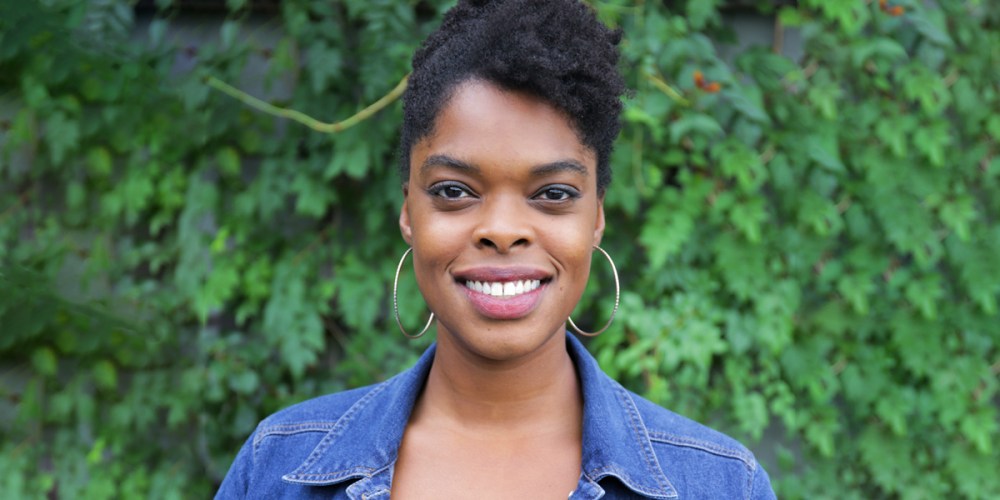
Shawna Thomas
Shawna is a Senior Producer of "Meet the Press" and also works on expanding the show to multiple NBC News and social media platforms. Before that she was one of NBC News' White House producers, reported on Congress and helped plan NBC's coverage of the 2008 presidential election.
She has a degree in political communication from the George Washington University and a graduate degree in journalism from the University of Southern California. Recommended