








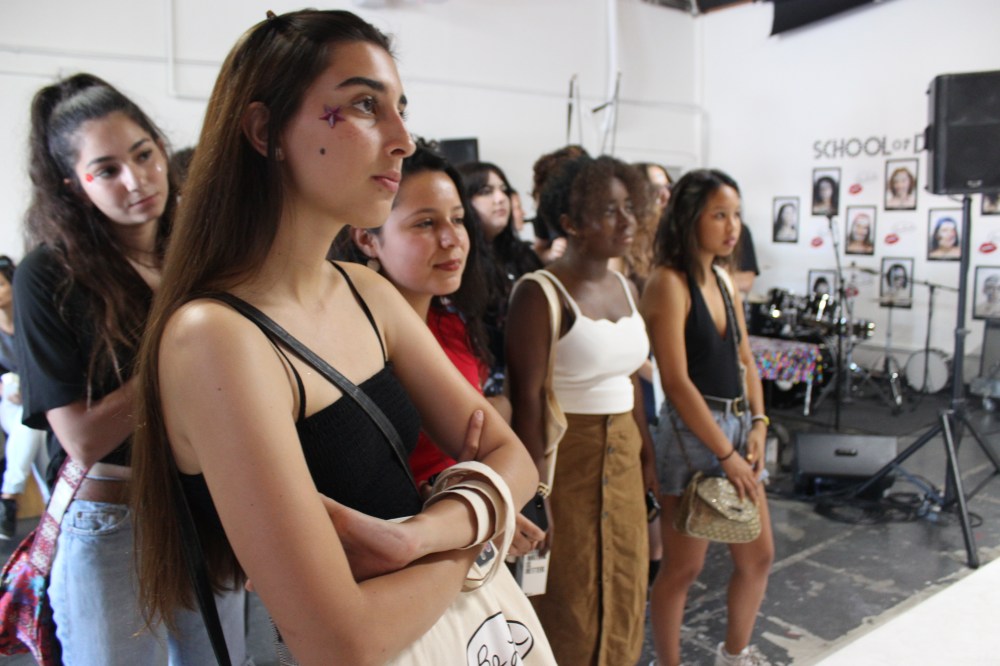
When 16-year-old Greta Thurnberg raked world leaders over the coals during the recent U.N. Climate Action Summit, she shocked the world with her passion.
However, Thurnberg is far from anomalous for her generation, according to Molly Logan, founder of the Generation Z think tank Irregular Labs.
“They’re all like that,” Logan said in an interview with Know Your Value. “They won’t stop.”
Logan endeavored to take Gen Z’s opinions seriously when she launched Irregular Labs in 2017. She hires — and pays — women and gender non-conforming Gen Zers who are currently in their teens through early 20s.
“They were born into a world that’s unstable,” said Logan. “Culturally, environmentally, nothing is stable. They don’t retreat, and that’s so different than every generation before. They show a constant commitment.”
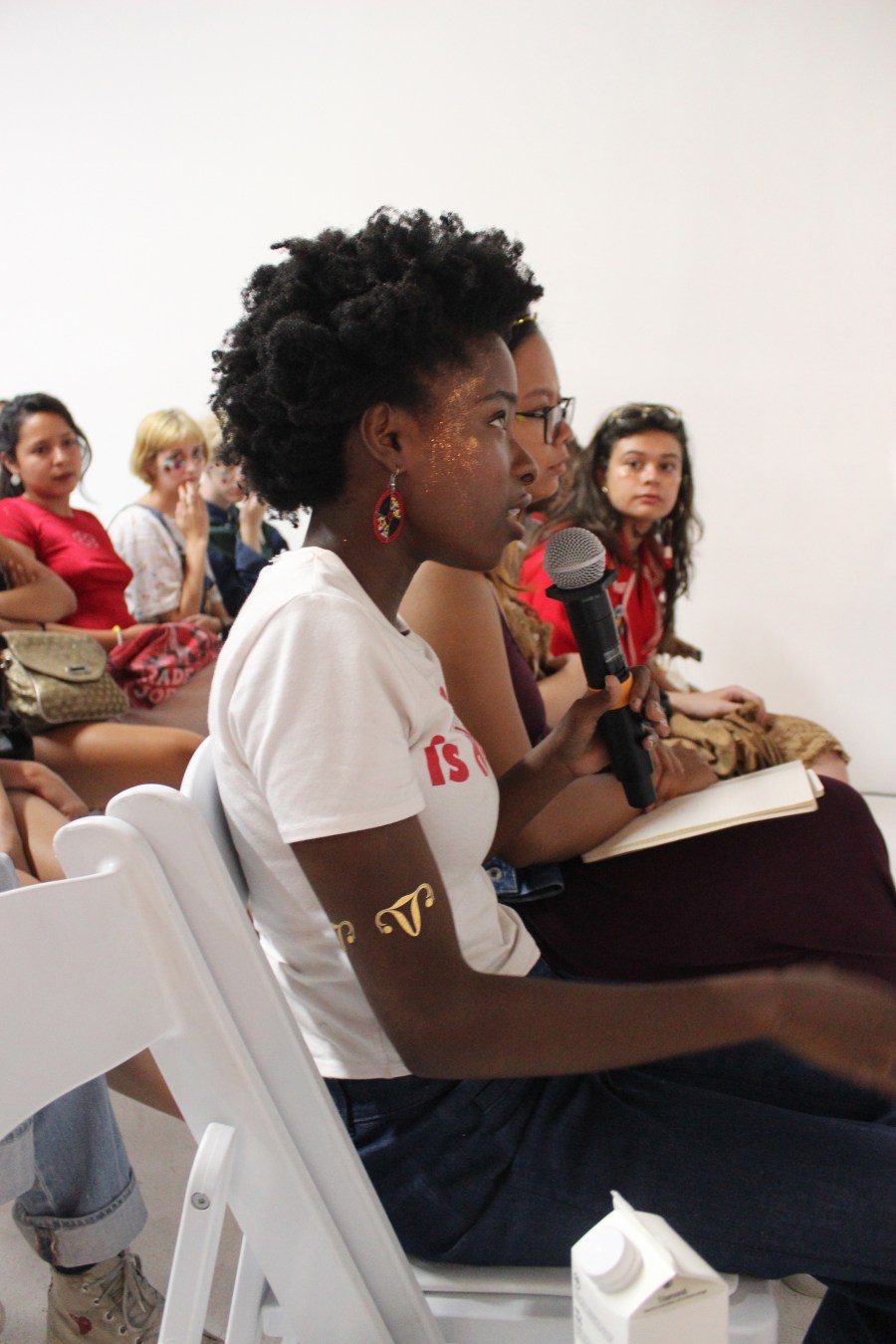
The purpose of the lab is to gather information about the generation: what they want, who they are, and what they’re passionate about. The lab reports are then used to engage organizations and brands with the oft-neglected generation. Sometimes, the Gen Zers are involved through product development and execution.
“They are going to build the future and they’re so different than millennials, it’s critical,” said Logan. “They should be getting in there and they should be getting paid for it because everyone should be getting paid for the work that they do.”
The handful of Gen Zs working at Irregular Labs aren’t just focus group subjects. Logan hires them as her senior staff and implicitly trusts them.
She once hired a 16-year-old to be her creative director. Logan said she trusted the girl so much that she deliberately left her in a room alone with MAC Cosmetics executives. It was a success, said Logan. They loved her.
“I let her run [the meeting], because she’s more than capable,” Logan said. “She has a really mature and sophisticated point of view, and those are the ones who end up leading.”
Irregular Labs recently compiled two comprehensive reports about Generation Z. The staff surveyed 500 diverse Gen Z women and gender non-conforming individuals across the U.S.
Some findings include:
57 percent say their gender doesn’t define them.
According to the report, the upcoming generation doesn’t subscribe to gender conformity. Other cultural boundaries may disintegrate as well. For example, a majority of the Gen Zs believe they’ll have multiple jobs in their 20s, and that there is no difference between their online and offline identities.
“This isn’t just about gender,” Logan said. “They have comfort with multiplicity. There’s no such thing as contradictions. Right now, they see gender as the outlet because that’s the only place they have agency. It’s not going to stop there. It will impact everything.”
According to the report, Gen Zs prefer activists over corporations, and they expect brands to be socially responsible. The report quoted a 16-year-old girl named Jules from New York who said: “We don’t listen to people because of how many followers they have. We listen to them because of how many lives they are trying to change.” According to an Irregular Labs report, Gen Zs love a particular brand of self-care. “When asked what they do when they feel stressed, the top three answers were: meditation, nature, and art,” the report read. “…Crystals, color therapy, laughter, yoga, tarot, horoscope, spirituality and YouTube Motivational Figures are all huge with Gen Z…This is not the millennial version of self-care where they buy a $1,000 outfit to wear to a yoga retreat…” Gen Zs seek true allegiance to diversity. Even white, blond, upper-middle class Gen Zs feel this way, according to the report. “They do not want superficial nods via marketing,” read the report. “They want true commitment in all aspects of an organization, brand or politician. For Gen Z, it is a brand’s job to advocate for and protect the inclusivity of all.” This is a generation that will fight for what it needs, according to the report. If something doesn’t serve a Gen Z, they’ll move on. “They’ve got this crazy optimism, but it’s paired with a pragmatism and honestly a ruthlessness that’s anchored in the reality they were born into,” Logan said.
Halley Bondy Recommended


Activists have the most impact on their decisions, ahead of YouTube stars, companies, brands, politicians and celebrities.
80 percent meditate or go out in nature.
92 percent are inclusive to lifestyles other than their own.
43 percent say that negotiating is an important skill for them to master.
