Throughout history, women have played critical roles in every field from sports to science. Many of these game-changing heroines , however, didn’t receive the wide recognition they deserved for their contributions, and they remain relatively unknown today.
In honor of Women’s History Month, Know Your Value is recognizing seven, women who conquered all odds to change the course of history. If you didn’t know their names before, now you will.
1. Patsy Mink, House representative
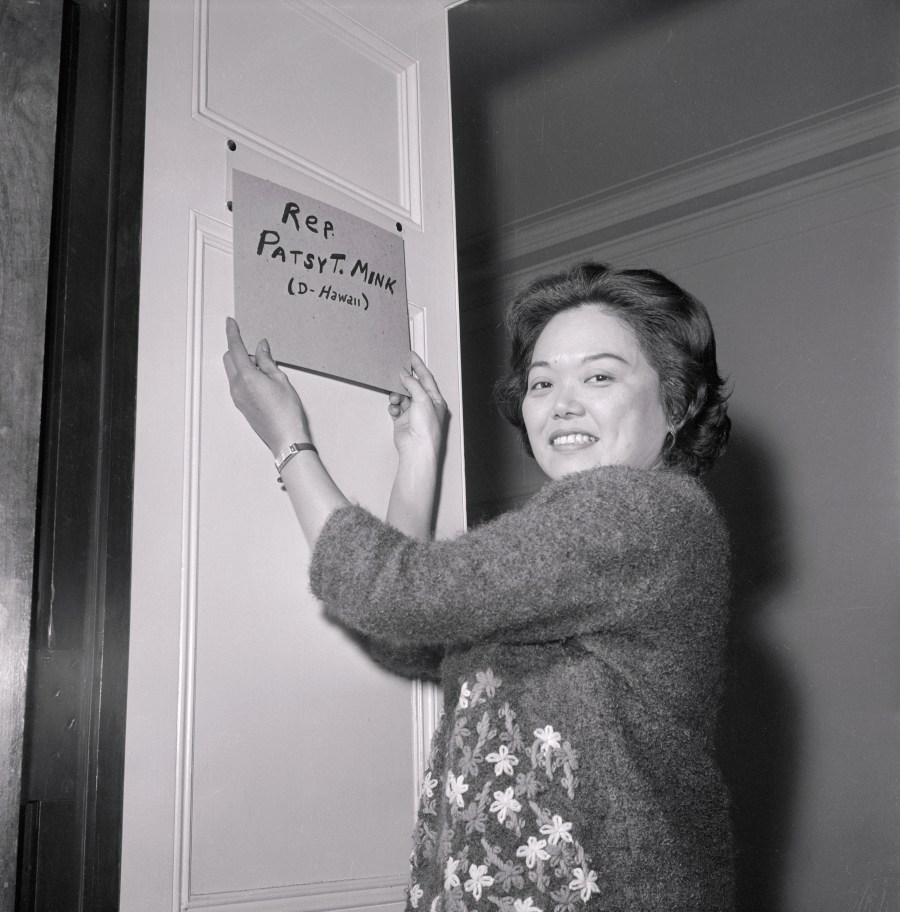
In 1964, Patsy Mink became the first woman of color to get elected to the United States Congress. Mink, a Japanese-American who served as a Hawaii representative, was elected four years before Shirley Chisolm famously became the first Black female congresswoman in New York.
After facing years of discrimination in the field of law, Mink became a fearless proponent of gender, education and immigrant equality. She co-wrote Title IX, a banner law that prohibits gender discrimination in educational institutions.
In 1970, Mink became the first congressmember to oppose a Supreme Court nomination on the basis of gender discrimination; Mink testified against nominee George Harrold Carswell, who had denied a mother working rights as a judge in the Fifth Circuit. Carswell was ultimately rejected.

Mink entered the presidential race in 1971 on an anti-Vietnam War platform, but she lost the nomination to George McGovern.
Mink would serve in Congress between 1965 and 1977, then from 1990 to her death in 2002.
2. Rosalind Franklin, molecular biologist
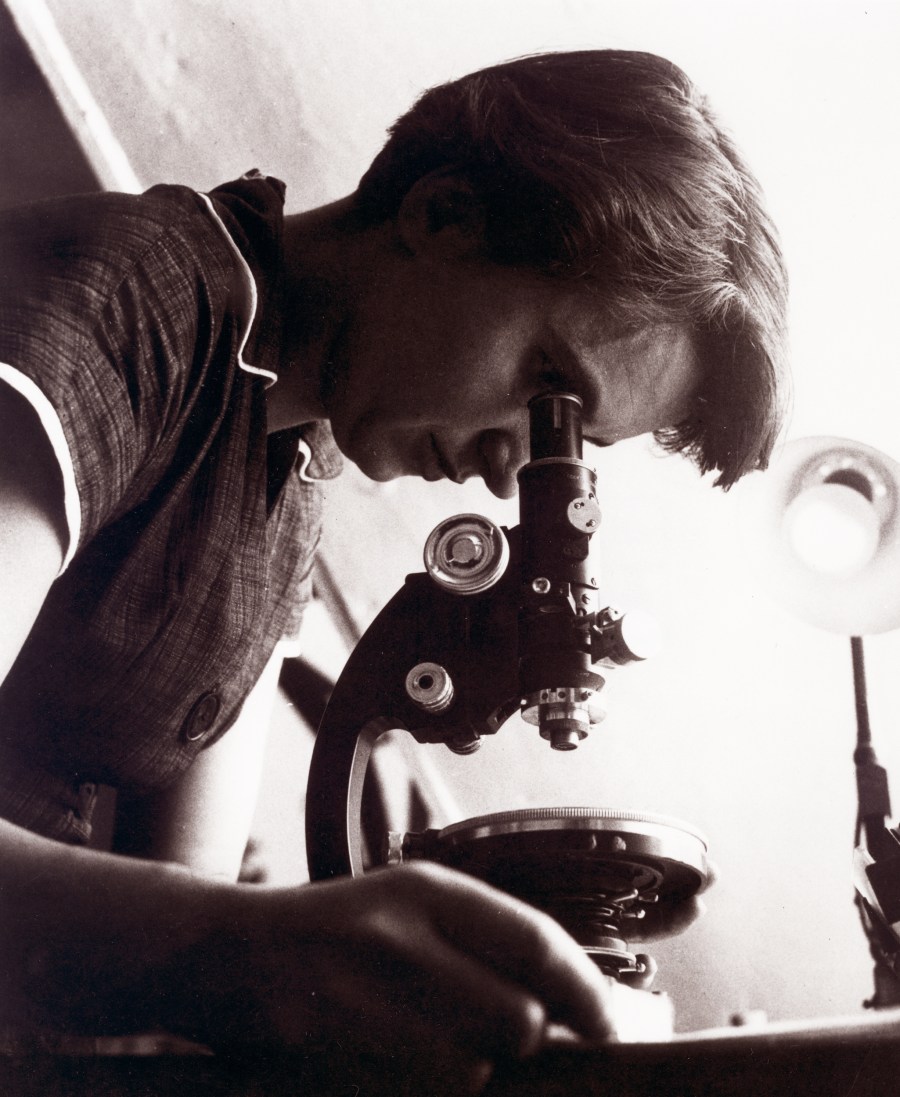
Rosalind Franklin studied the DNA molecule in English laboratories throughout the 1950s. She compiled data that would form part of the basis for the final helical model. One of her students took the first photo of DNA through X-ray crystallography.
These findings were known to Jim Watson and Francis Crick, who would ultimately win the Nobel Prize for the discovery of the DNA molecule in 1962. Franklin was not credited for her unpublished, cautious initial studies, and the male-dominated field often treated her with patronizing disdain. Watson, in fact, wrote in his 1968 book “The Double Helix”: “Momentarily I wondered how [Franklin] would look if she took off her glasses and did something novel with her hair.”
Franklin would go on to conduct groundbreaking research in RNA and polio before dying at age 37 of ovarian cancer.
3. Dr. Rev. Pauli Murray, civil rights activist
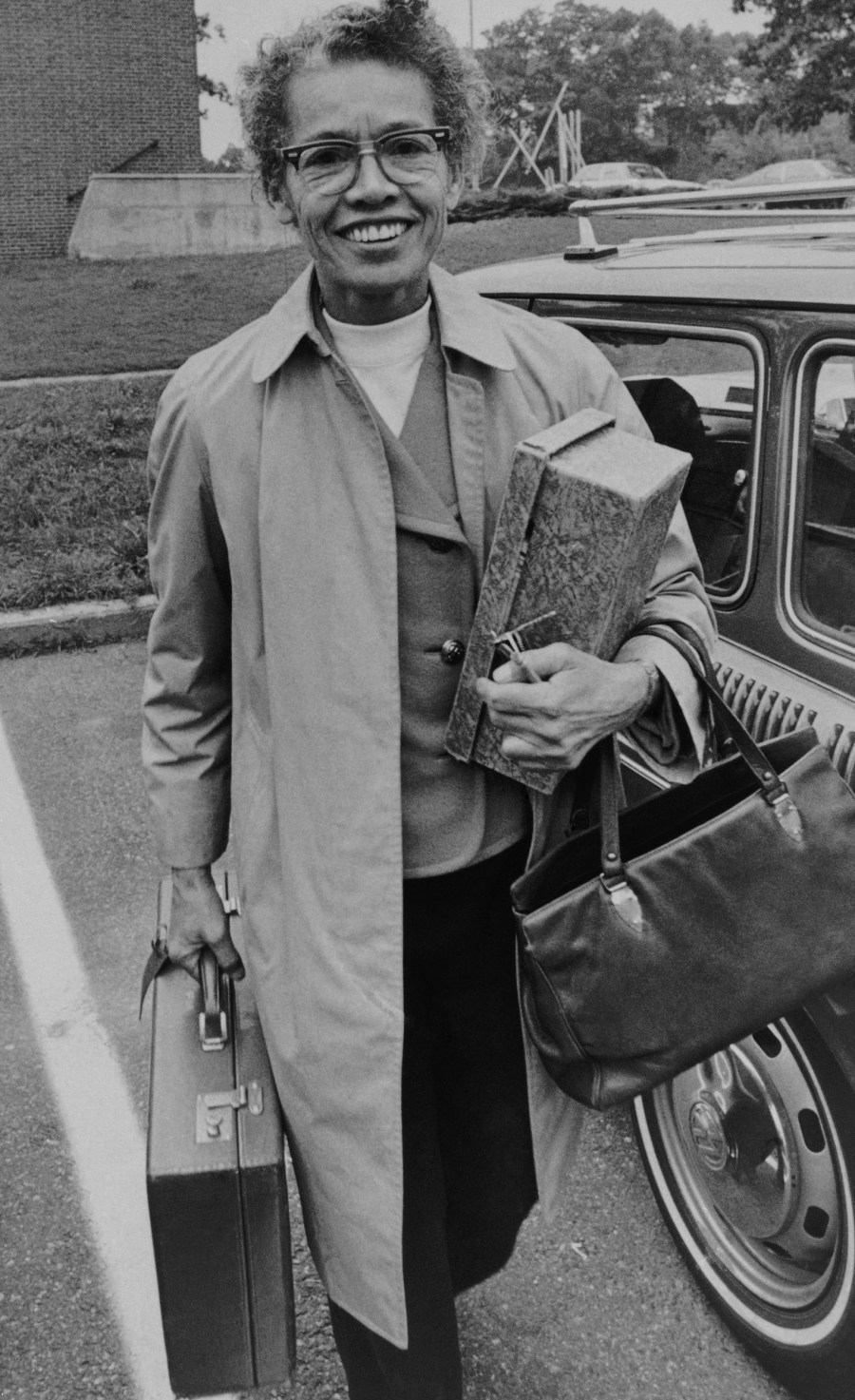
Dr. Rev. Pauli Murray played an extremely critical role in the Civil Rights Movement, but her name often gets lost in the shuffle.
In 1950, Murray wrote the book “States’ Laws on Race and Color,” which drew on sociological and legal evidence to combat “separate but equal” policies of the time. The book would become the basis of the Supreme Court case Brown vs. Board of Education, which fought and defeated segregation in schools in 1954. NAACP chief counsel Thurgood Marshall would call Murray’s book the “bible” of the Civil Rights Movement.
Among her many accomplishments, Murray co-authored a brief that would compel the Supreme Court to include sex discrimination in the Equal Protection Clause in 1971 (late Justice Ruth Bader Ginsburg was also an author on the brief). Murray was part of the first generation of female priests, becoming ordained in the Episcopal Church in 1977.
Murray said she struggled with her gender identity throughout her life. Some modern writers have theorized that she may have been a transgender man. Murray passed away in 1985.
4. Nancy Lopez, professional golfer
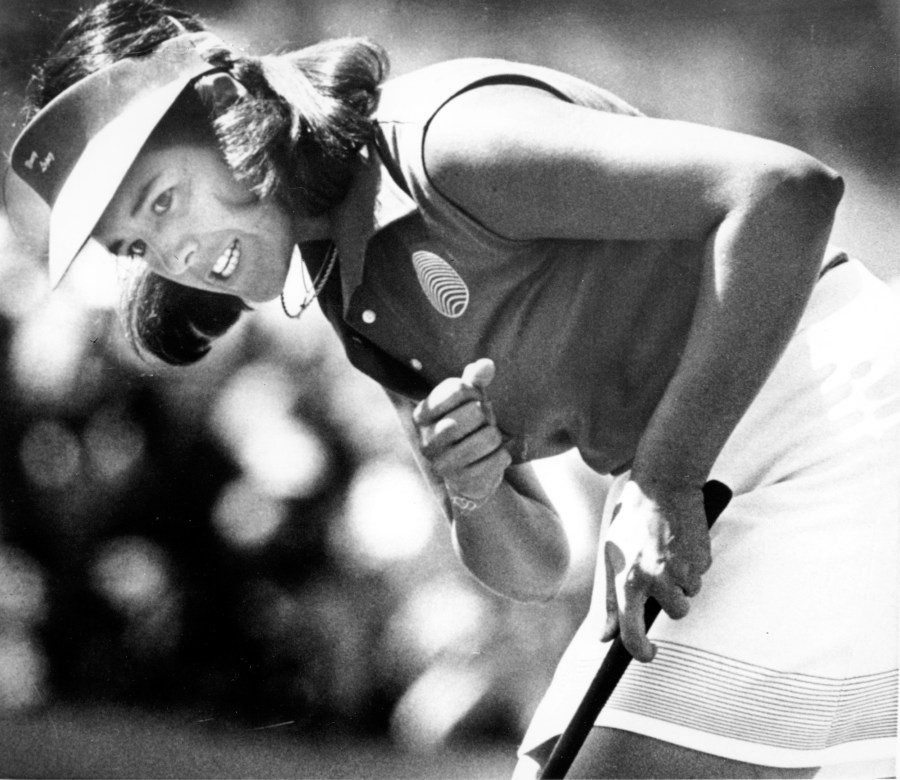
Nancy Lopez was considered the best female golfer of the late 1970s and ‘80s.
Lopez would become the only woman to win the Ladies Professional Golf Association’s prestigious Rookie of the Year, Player of the Year, and the Vare Trophy in the same season. Ultimately, Lopez won 48 LPGA Tour events and was inducted into the World Golf Hall of Fame in 1987.
Golf is historically a rich, white, male sport. As a child, Lopez’s family wasn’t allowed to join her local country club in Roswell, New Mexico because of their Mexican heritage. Lopez and her coach father had to travel 200 miles to Albuquerque to practice on a course. Her success and drive would pave the way for female golfers and for Latinx athletes for generations.
Lopez currently lives in Florida.
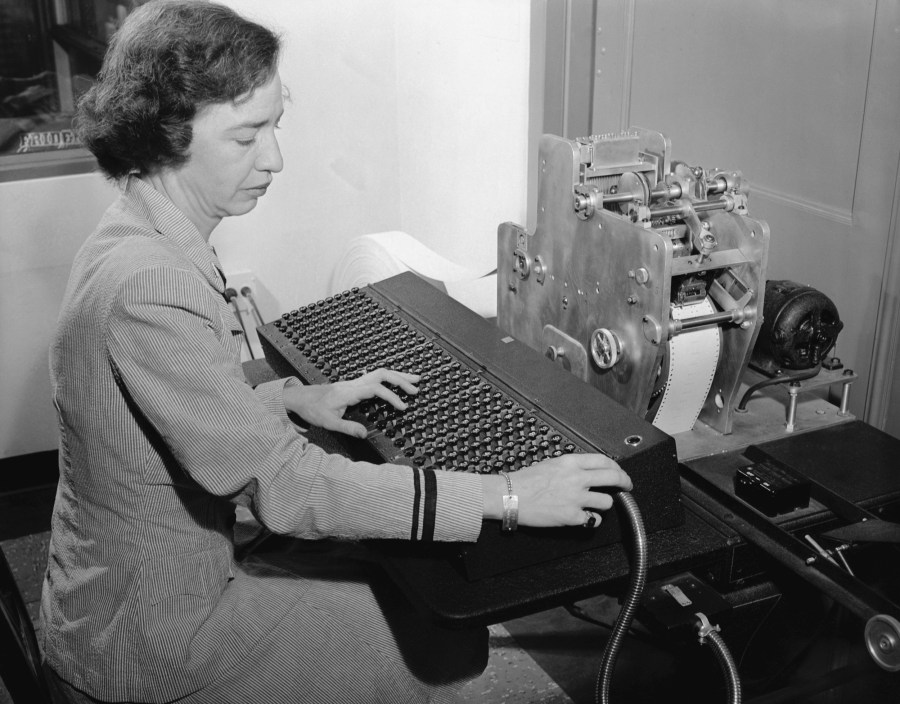
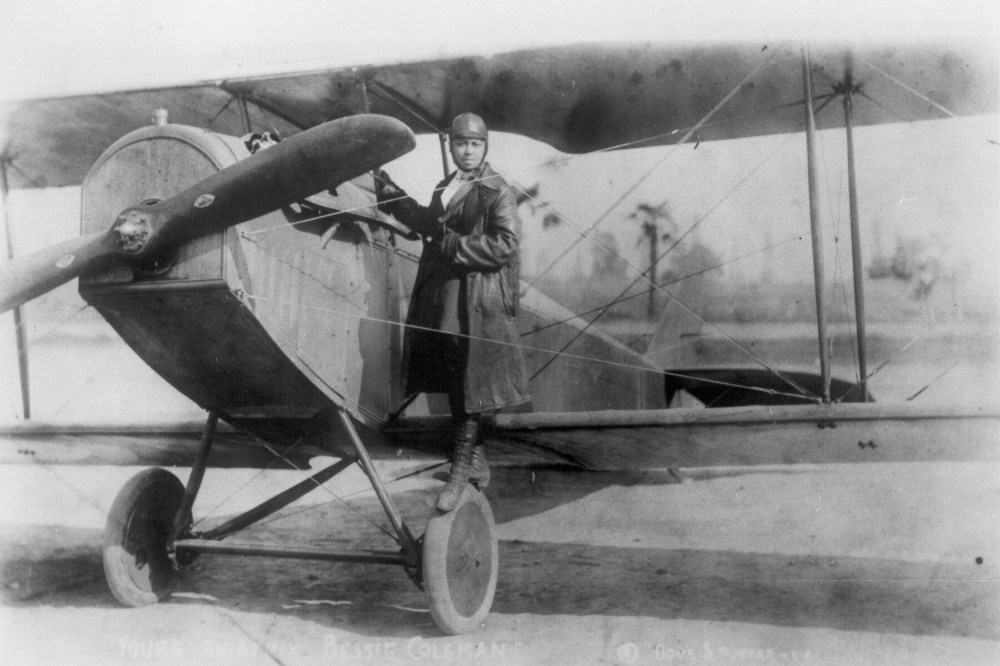
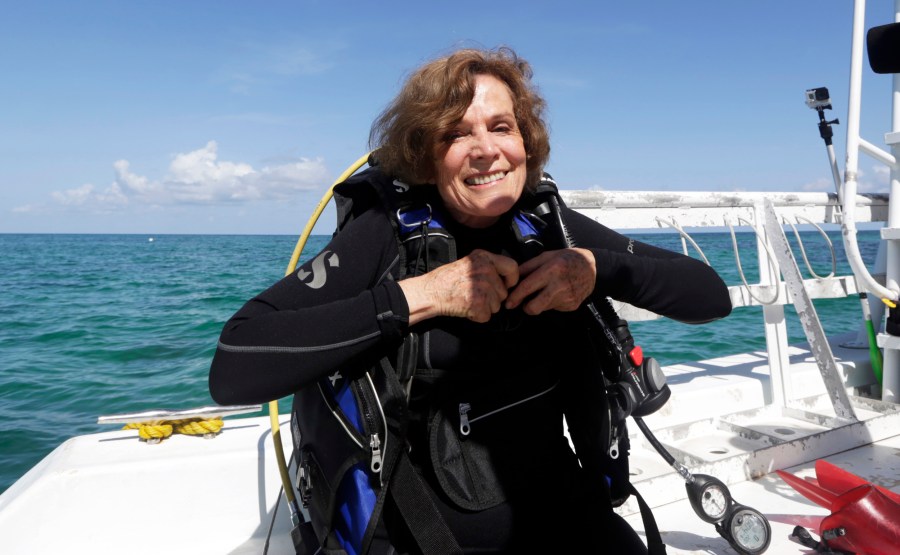
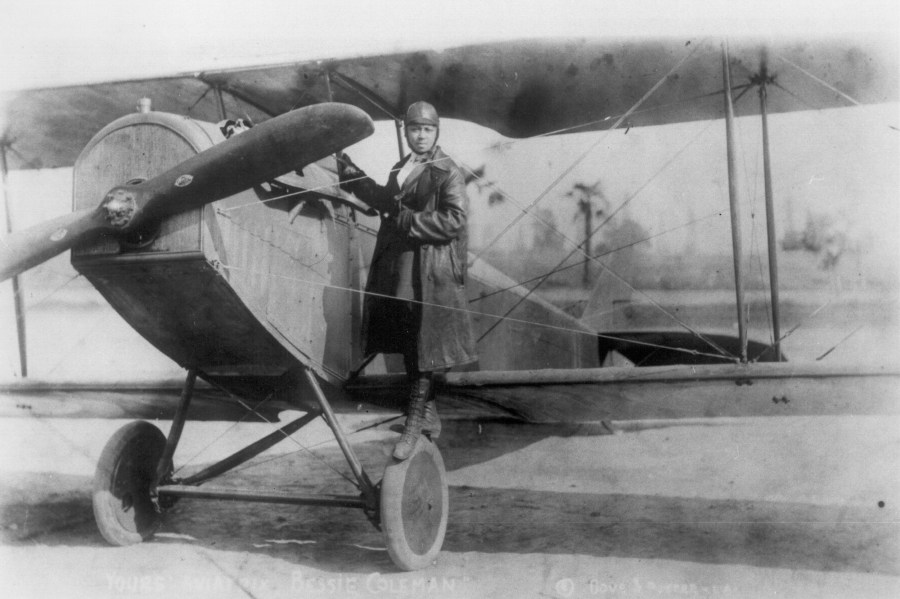
Few individuals have communed with the ocean as much as Sylvia Earle, a marine biologist and explorer whose contributions have spanned decades. Earle broke the women’s diving depth record in 1979, and would co-found two deep-sea exploration engineering companies. In 1990, she was appointed chief scientist at the National Oceanic and Atmospheric Administration, where she helped clean oil spills caused by the Persian Gulf war. In 1998, Earle was named Time’s first Hero of the Planet. That same year, she was named a National Geographic explorer-in-residence, a title she has held since. A Netflix documentary called “Mission Blue” details Earle’s life as well as her latest project of the same name. Mission Blue aims to protect 30 percent of the globe’s oceans by 2030. Bessie Coleman was the first African-American and Native American female pilot. Ahead of her time in every way, Coleman famously refused to perform her impressive plane tricks – including the “loop the loop”—for segregated stadiums in the 1920s. The Texas native, who was of mixed race, began her career as a manicurist. Her brothers served in the military and regaled her with stories of France, where the women were allowed to become pilots. Inspired, Coleman moved to France and received her pilot’s license in 1921. Wanting to buy her own plane and build her own flight school, Coleman earned money by touring the U.S. and Europe with airshows and lectures. Once, she returned to her hometown in Texas and refused to perform until the managers created one singular entrance for Black and White audience members. They complied. Coleman died in 1926 when her plane flipped over and she fell 3,000 feet out of the sky. She was not widely recognized until after her death; Coleman was inducted into the National Aviation Hall of Fame in 2006. Grace Hopper invented critical computer systems that we still use today, and she did it when the idea of computing was completely new. In the 1940s and 1950s, Hopper would help program the very first computers, which were used in the World War II effort, then later for businesses. She invented one of the first linkers, which take all kinds of information and turns it into code that can run on a computer. Hopper was the first programmer to put forth the idea that computers could speak a language based on English. Her theory formed the basis of COBOL, a computing language used by business, finance and administrative systems today. Hopper served as one of few women Navy Admirals through 1986. She consulted on programming projects until her death in 1992.
Halley Bondy Recommended


5. Sylvia Earle, environmentalist
6. Bessie Coleman, aviator
7. Grace Hopper, computer programmer