








The depth and breadth of the COVID-19 (coronavirus) pandemic and its impacts are largely unknown. And while the number one priority is keeping our families and ourselves safe and healthy, the next topic on most people’s worry list is the financial impact, especially if the situation doesn’t improve quickly.
Financial concerns range from “Is this the beginning of a global depression?” to “How am I going to make ends meet?” to “What about my stocks?” to “Why do I need to pay for daycare if it’s closed?”
So how can you prepare yourself financially and calm your money worries while getting through this crisis?
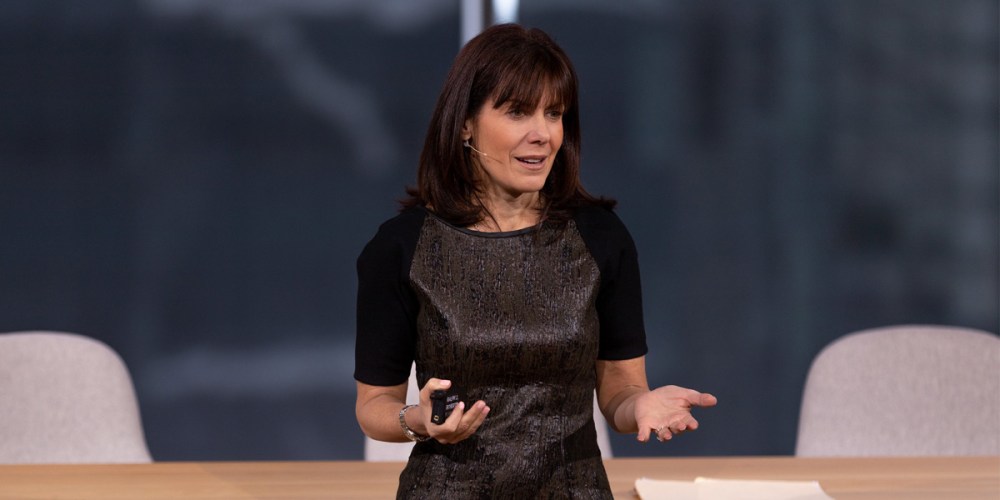
I recently chatted with HerMoney.com founder and Know Your Value personal finance contributor Jean Chatzky, who walked me through seven common financial scenarios you might be facing, and how to act now so you aren’t in the red later.
My employer is paying me while I’m working remotely, for now. But it’s a small business and I’m concerned they might go under. What should I do to prevent this?
Chatzky advises you to talk to your boss to minimize any surprises. “Ask what can be expected, that’s not an unreasonable question to ask. This is an unprecedented time, you know they are doing their best to take care of everyone, and it’s perfectly reasonable to have a conversation about what’s likely to happen.”
According to Congress’ Emergency Coronavirus bill, companies with employees between 50-500 you will have two weeks (10 days) of paid sick leave. If you work with a company of fewer than 50 employees, your company will be repaid for giving you that time off. For larger companies, more than 500, it’s up to the company.
RELATED: Coronavirus: What public health workers are telling their children
I am freaking out every time I turn on the TV and see the stock market roller coaster. Should I make adjustments in my 401k? My kids’ savings account for college?
“This is why you dollar cost average, or DCA,” advises Chatzky. Dollar cost averaging is an investment strategy where you spread out your investment over regular time periods to reduce the volatility of the overall purchase. In other words, investing part of your total amount every month, quarter, or another time interval. “If you are building wealth, you are now ‘buying stocks on sale.’ If your timeline is closer, like kids headed to college in a year or two, you go to cash the same way,” she said. This is dollar cost averaging while divesting, selling a little bit each month or quarter so that you are reducing the volatility of exiting the market. Chatkzy suggests that if you need to pull money out of your portfolio, that you consider pulling from the bond portfolio (not equities) because they have done better.

My savings account is now dwindling due to unexpected expenses and reduction in hours, and therefore my paycheck. What should I do next?”
Decide what’s important to you and what you can do without. Maybe it’s the weekly housekeeper or dog walker you can cut back on, for example. This is a moral debate in our household. The bottom line? Prioritize and do what’s best for your family.
“If you have the resources, you should absolutely continue to support service providers. You could offer to pay people in advance or purchase gift certificates” if you can says Chatzky.
If you’re really struggling, all discretionary funding should go. “Look at what you can control … You have to do what you have to do to keep your family afloat,” she adds.
Gig economy workers should look at their skills. “This group of people has gotten scrappy at getting work,” says Chatzky. “Who might need people that can work from home? Could food delivery companies hire you to answer the phones from home?” Because schools are out, there is a demand for short-term, in-home childcare. A family friend who is home from college or a neighbor who is out of work – with the idea of keeping your circle very small – could meet these childcare needs. RELATED: Coronavirus: A 5-point plan for pharmaceutical companies “What we learned from the financial crisis is not to run from creditors,” says Chatzky. She advises that you should call a creditor immediately, and start the conversation with “I want to pay my bills, but I’m not getting paid right now. I need some time, how can we work this out?” If you can get ahead of this, they may not report you to the credit bureaus. “Hopefully we will be back to work within a couple of billing cycles,” continues Chatzky. If you must use 401k assets, loans are better than withdrawals. When you borrow money from a 401k you repay it to the plan. It’s not ideal, because while the money is not the plan it’s not growing, but it’s better than paying a 10 percent penalty and taxes. This is uncharted territory for employers, too. Organizations want to keep their employees, but they are also facing substantial challenges in meeting payroll, vendor payments, and profitability targets. Know how your employer is going to communicate with you about changing policies, guidance, and work requirements, particularly if you aren’t physically in the workplace. Check the Department of Labor’s Coronavirus website for changing policies on topics like filing for unemployment if you are unable to work due to coronavirus and how to use sick leave if you are caregiving for someone who is ill. “No matter the policy, talk to your direct supervisor,” says Chatzky. “These are times that we have never seen before. Talk about your personal needs and see what might be possible.” RELATED: The working mom’s playbook for coronavirus prep “Nurses and healthcare workers are a different category altogether,” says Chatzky. “Look at your work environment. Are you public-facing? In a small area with just a few number of people? Are you working in a bay where it’s just you and your car? Can you actually work and practice social distancing?” In my own work, we have a contract supporting phone operating systems on a military base. The drivers can continue to work, practicing social distancing while working. And the office staff has re-prioritized work plans so that things like technical documentation and SOPs (standard operating procedures) can be done remotely. No one knows how long this pandemic will last, or how serious the short-term or lasting financial impacts will be. Communication, with work and those with which you have financial relationships, has to be key. Control what you can control, like discretionary spending, and ride the rest of the cycle out. Because the thing about economic cycles is that they always come back.
Jennifer Folsom Recommended


I work in the gig economy. How should I position myself to weather this storm?
I’m scared that I’m not going to be able to pay my bills soon.
Help! I’m not approved for telework. What does this mean for my paycheck?
I’m a nurse/mechanic/service worker. What I do professionally CAN’T be done at home. I’m afraid my employer is going to send me home and my paycheck is going to disappear. How should I prepare for this?
