








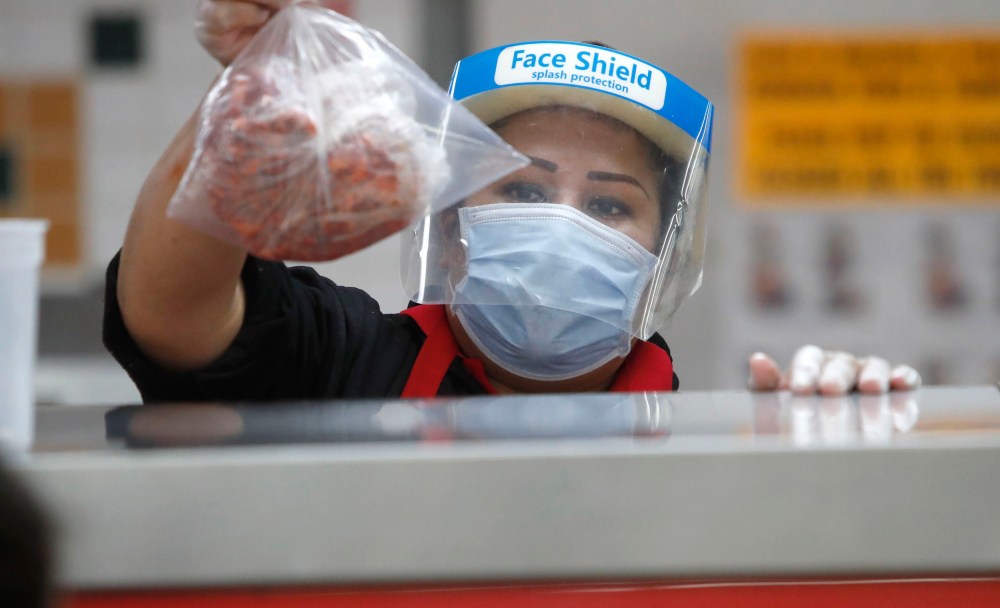
Now that many of us are taking fewer trips to the grocery store due to COVID-19, it’s more important than ever to be a smart shopper.
Many people are wondering not only how to stay safe at the store, but how to make the healthiest choices that will last for a while and give you the most bang for your buck. The good news is you can do this efficiently and safely by adopting some easy habits:
Make a detailed shopping list.
First, pre-plan your ingredients and meals. Then make a detailed list, dividing it into pantry, refrigerator and freezer foods rather than specific meal ingredients. You’ll be able to minimize your time in the store and select what you need more efficiently.
Shop early and solo.
With stores closing early to sanitize and restock, early morning usually provides the greatest food choices, a freshly cleaned store and typically fewer people. Some stores do have an hour or two set aside for people over 60, so check with your local market for hours. Shopping with fewer people and shopping alone are the two best strategies for a more efficient, faster (and safer) shopping trip.

Fill your pantry.
Start with non-perishable foods, that include proteins, grains, fats, fruits and vegetables, and a few treats. Choose proteins like peanut or seed butters, nuts, canned or pouched tuna, cooked beans, and whole grains including pastas, brown rice, and some protein-rich grains like RightRice and quinoa, and hot or cold cereal.
Try cans of fruits (water packed) and vegetables (no salt if needed). And pick some ready to eat soups, along with chicken, beef, or vegetable stocks to make your own. Canned tomatoes and tomato/marinara sauce have many uses, along with shelf-stable or plant-based milks. Don’t forget to include your family’s favorite snacks and rotate them for variety. Popcorn, granola bars, trail mix (make your own!) and dried fruit are popular go-to options.
These items usually have a “best buy” date of two to three years – but are safe to eat way beyond that, although freshness may be compromised.

Stock your fridge.
Look for lasting perishable items like eggs, cheese, milk, and yogurt with the longest “used by” dates you can find. Choose longer lasting vegetables often – like carrots, potatoes, onions and cabbage or fruits like apples and oranges. And store your bread and rolls in the fridge or freezer to prevent mold over time. For cryo-packed deli meats, hot dogs, and other similarly packed foods, the expiration date is months away, but once opened you have up to a week to consume safely.
Frozen foods are ideal, as they have no expiration date for safety, but have a long life for optimal taste – usually a year or more. Frozen vegetables and fruits are equal in nutrients to fresh. Try a homemade pizza using a frozen crust, or a fully prepared. Chicken and beef – and their soy versions – freeze well either pre-cooked, or for later cooking. But think of pre-packaged meals – either calorie controlled or regular, for some variety and quick meals. Include a favorite frozen treat for fun. The shortage of cleaning supplies aren’t as bad a few weeks ago, with stores now setting limits for purchase of items like toilet paper, paper towels, wipes, hand sanitizer, bleach and other cleaning supplies and many are more readily available. As a guideline for toilet paper use, a recent report indicated that a family of four would need 17 “double rolls” (not mega) to last for 14 days. And if your local market has a pharmacy section, check your supply of any prescription medications, along with vitamins, over the counter items like pain relievers, cold, cough, and allergy medicines, and nasal sprays, along with any children’s versions of these products. It’s good to have a supply on hand, to be prepared. Madelyn Fernstrom, Ph.D. is NBC News’ health editor. Follow her on Twitter @drfernstrom.
Madelyn Fernstrom, PhD
Madelyn Fernstrom, Ph.D., is the Diet and Nutrition editor for TODAY.
Fernstrom is a professor of psychiatry, epidemiology and surgery at the University of Pittsburgh Medical Center and a board certified nutrition specialist from the American College of Nutrition. She is the founding director of the UPMC Weight Management Center. Recommended


Focus on your freezer.

Don’t freak out about toilet paper.
Tackle your pharmacy needs.
