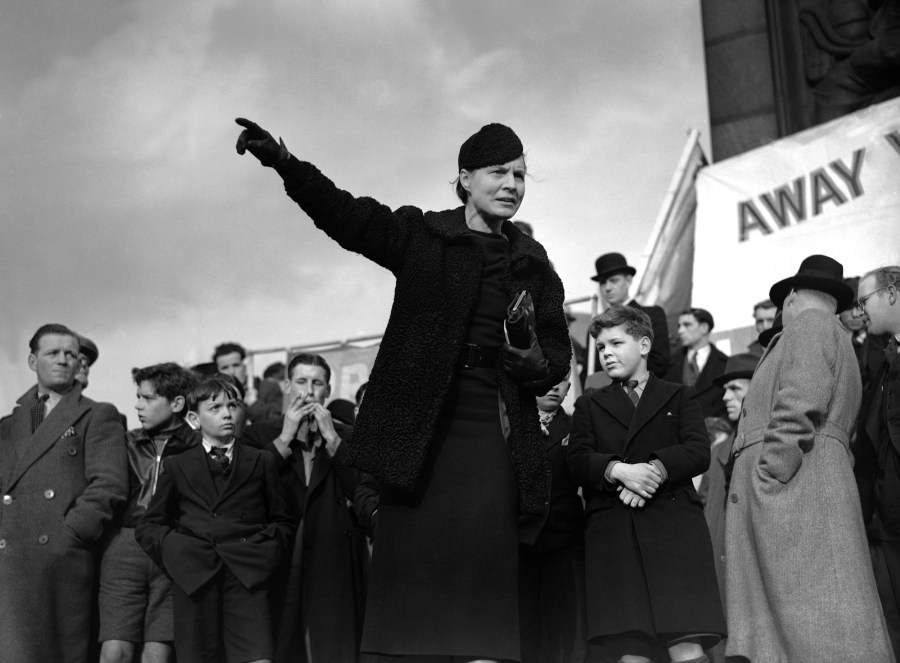
Even though women have been changing the world forever, many have been overlooked or forgotten by the public.
In honor of Women’s History Month, Know Your Value rounded up some of the ground-breaking women who have made great strides, but have not received the recognition they deserve.
RELATED: 10 must-reads for Women’s History Month
From the first computer programmer to influencers who have paved the way for women’s right to vote, here’s a sampling of those who left behind a quiet, but powerful legacy — and helped to change our lives for the better.
Ada Lovelace (1815-1852): the first computer programmer
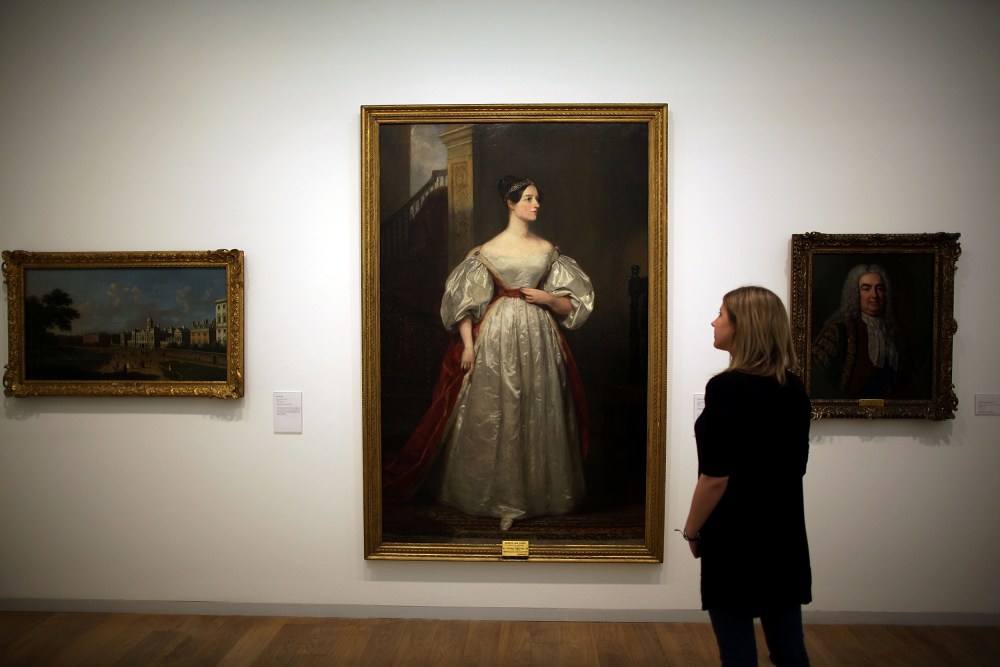
The world’s first computer programmer, Ada Lovelace, was an English mathematician and writer who assisted her mentor, mathematician Charles Babbage, in recognizing that a computing machine, which was a precursor of the computer, can do more than calculations.
Her contributions did not receive recognition until 1953, when B.V. Bowden republished her notes, which described how codes could be created for a computing machine to handle letters and symbols along with numbers. In 1980, the U.S. Department of Defense paid tribute to Lovelace by naming a newly developed computer language “Ada.”
Queen Elizabeth II also celebrated Lovelace recently in her first ever Instagram post, where she shared an image of a letter from the Royal Archives at London’s Science Museum.
Madam C. J. Walker (1867-1919): self-made millionaire who empowered African-American women

Born in Louisiana in 1867, Madam C.J. Walker became one of the first American-American female self-made millionaires after inventing a chain of hair and beauty products in 1905. Her inspiration was her own scalp condition that led to hair loss.
Walker also established the Madam C. J. Walker Manufacturing Company and started a franchise system that empowered hundreds of African-American women who had limited employment options at the time.
Alice Paul (1885-1977): paved the way for women’s right to vote
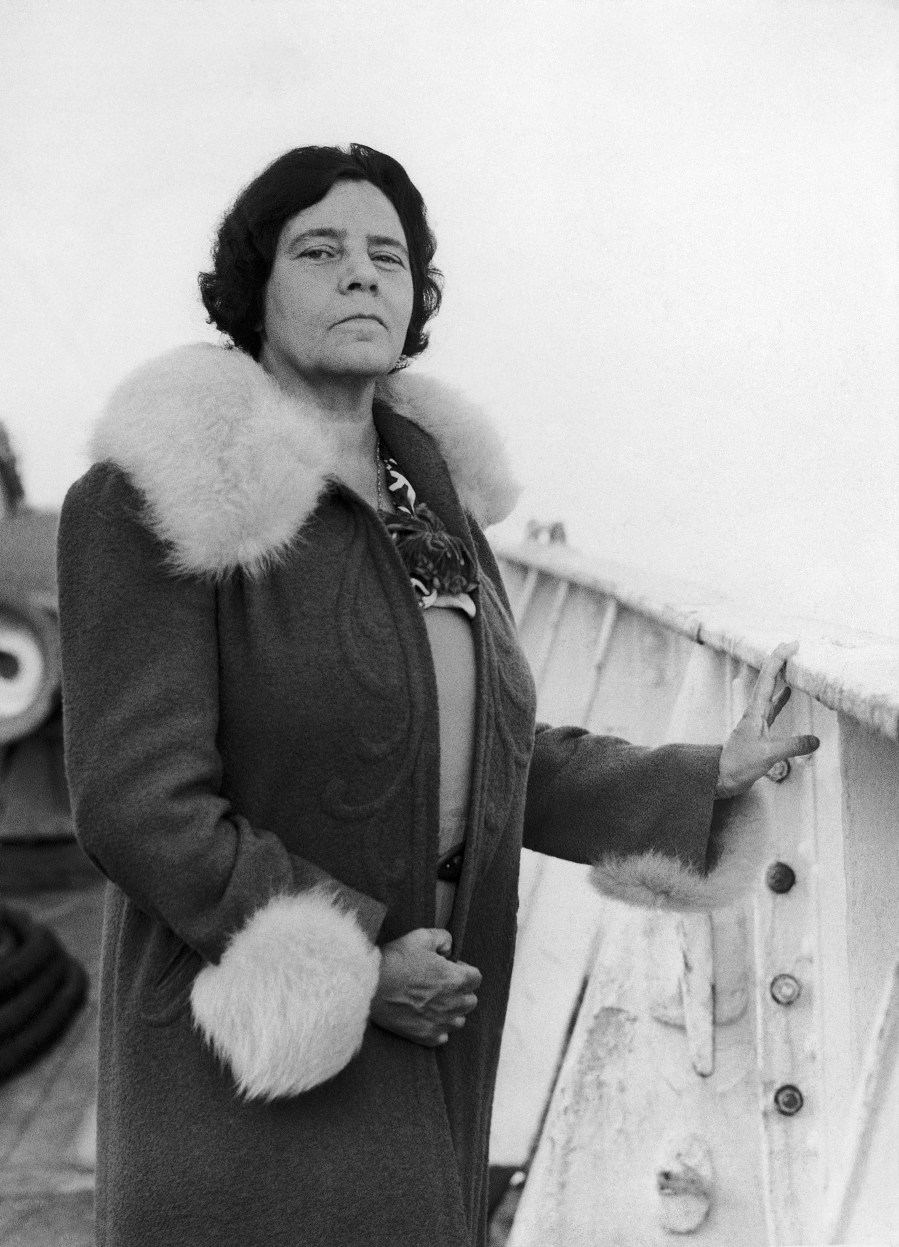
Women’s rights activist Alice Paul was a leader of the women’s suffrage movement in the U.S. and later founded the National Women’s Party with Lucy Burns. Paul was a key figure in pushing through the passage of the 19th Amendment in 1920, which banned sex discrimination in the right to vote, and introduced the first Equal Rights Amendment in Congress in 1923. Paul continued to campaign for civil rights and fair employment practices.
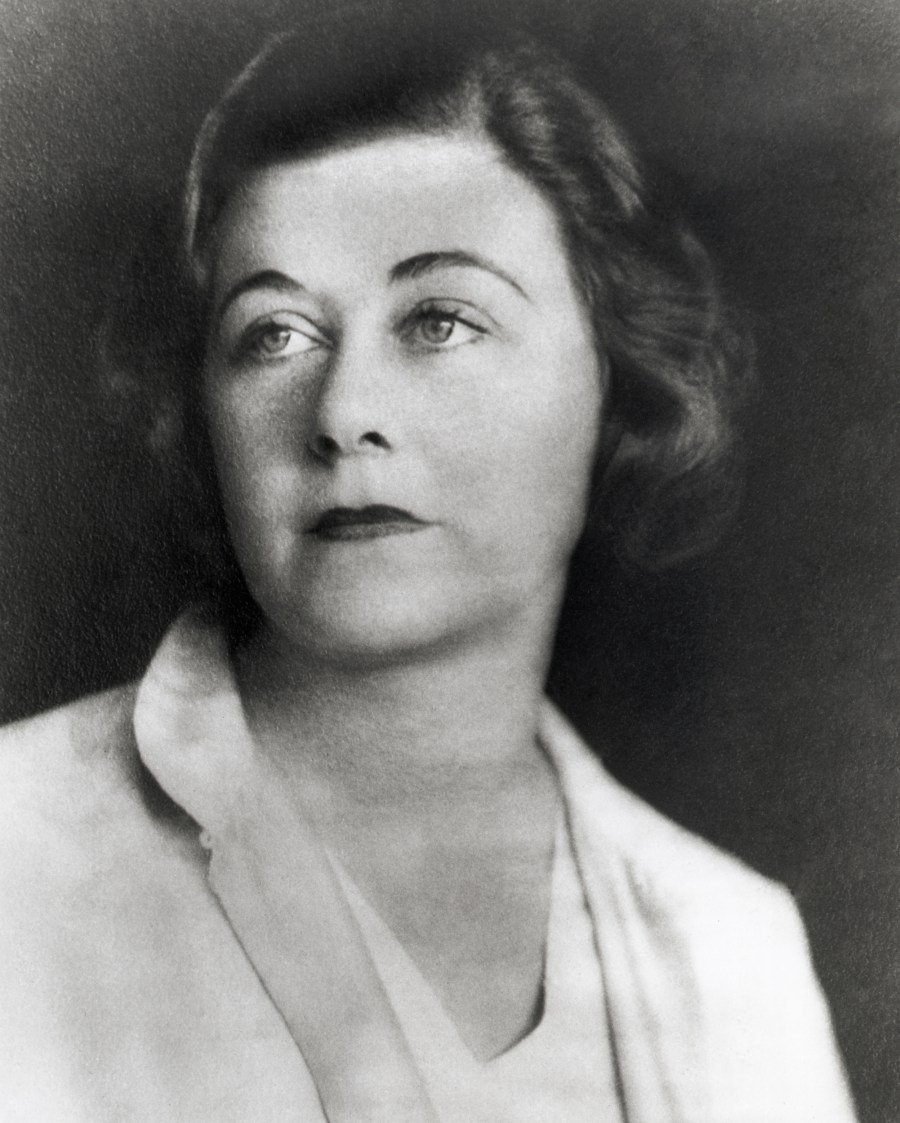
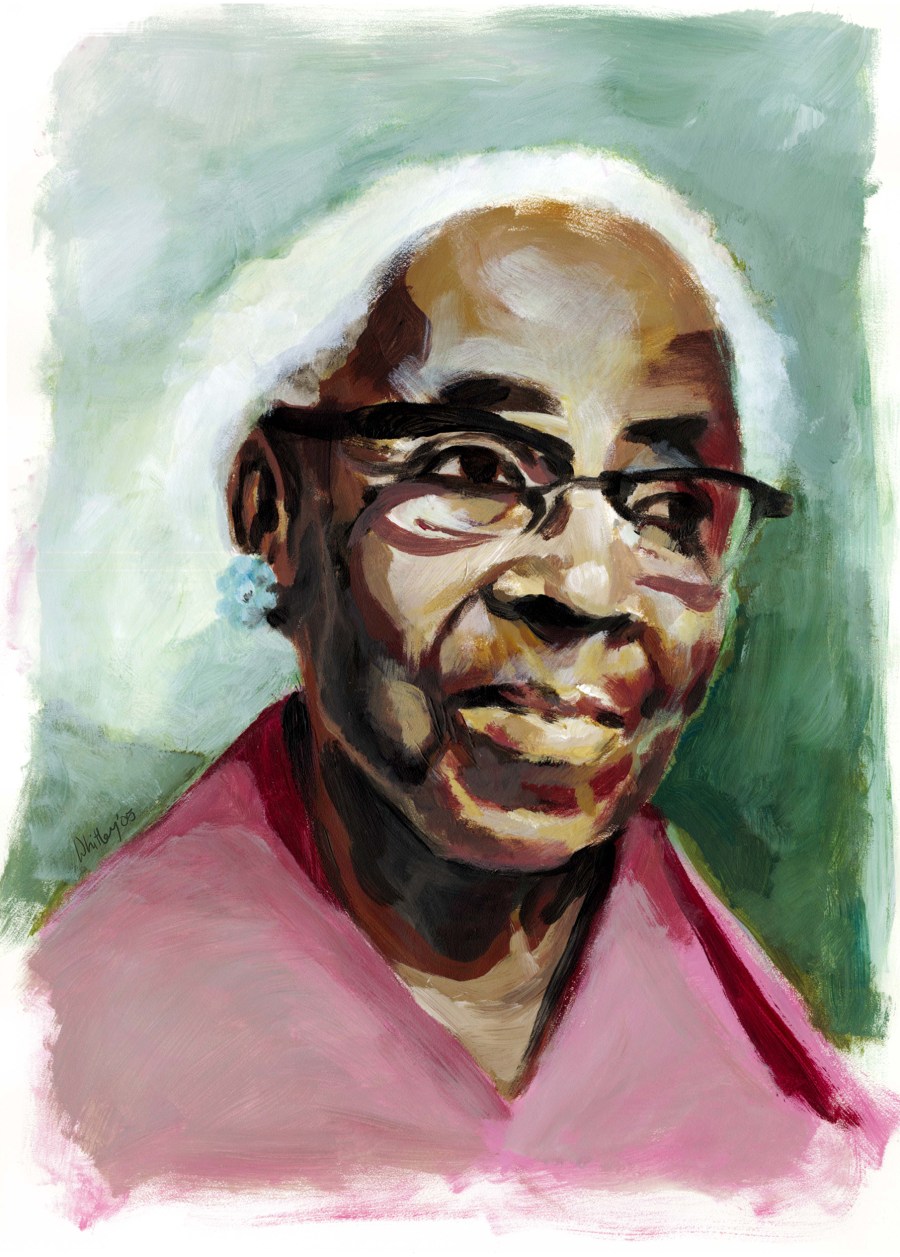
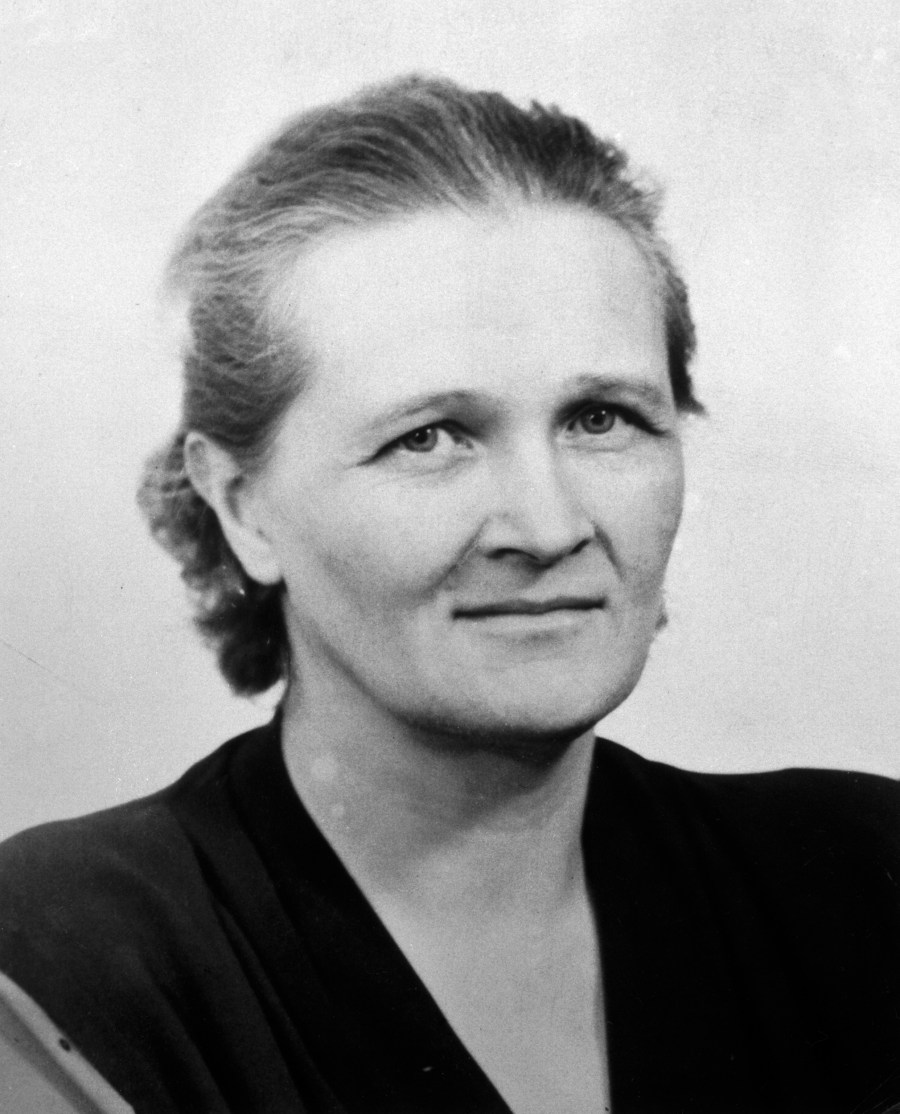
Frances Marion worked as a combat correspondent during World War I and was known as the first woman to cross the Rhine after the armistice. More than a decade later, she became the most celebrated female screenwriter of the 20th century. She was the first writer to win two Academy Awards. In 1931, she won the Academy Award for Writing for “The Big House” and a year later, won the Academy Award for Best Story for “The Champ.” With nearly 200 writing credits throughout her career, she was also known as the highest-paid female screenwriter, reportedly earning $50,000 a year. Dr. Martin Luther King Jr. called Septima Clark “the architect of the civil rights movement.” She was a teacher of some of the most influential activists, including Rosa Parks, Diane Nash and Fannie Lou Hamer. She taught young students for more than 40 years and also held informal literacy classes for adults. Clark worked with the NAACP and other civil rights organizations. Cecilia Payne-Gaposchkin, who earned a Ph.D. in astronomy from Harvard, was the first astronomer to discover that stars are made primarily of hydrogen and helium. She also became Harvard’s first female professor and department chair. She published several books during her lifetime, including “The Stars of High Luminosity” and “Variable Stars and Galactic Structure.” British politician and physician Edith Summerskill was a fearless advocate for equal rights for housewives and divorced women. Her efforts led to the passage of the Married Women’s Property Act in 1964, which entitled a woman to keep half of any savings she had made from the allowance given by her husband, and the Matrimonial Homes Act in 1967, which allowed a woman to stay in her matrimonial home after divorce.
Renee Morad Recommended


Frances Marion (1888-1973): highest-paid female screenwriter in Hollywood
Septima Poinsette Clark (1898-1987): educator and civil rights activist
Cecilia Payne-Gaposchkin (1900-1979): leader in astronomy
Edith Summerskill (1901-1980): advocate for equal rights for women