








Trying to return to work after a career break is a daunting process. I know, I’ve been there. When I first tried to find my way back in 2010 after seven years of raising kids and two years in real estate, I felt like I had lost my professional mojo.
Despite more than a decade of experience in strategic communications, I struggled to tell my own story. My confidence was shot, my network dried up, my skills and wardrobe out of date and I even felt too old. I needed a game plan, and I had not a clue where to begin.
That all changed when I found a book that became my return roadmap: “Back on the Career Track.” I still have my dog-eared, notes-in-the-margins copy. This book gave me the confidence and template I needed to find my way back. And, importantly, it made me realize that I was not alone.
Today, if returning to work after a career break or pivoting to another career is on your mind, there are a few books you should put on your fall reading list. They offer guidance, intelligence, confidence, inspiration, motivation and a few good belly laughs.
1. “Back on the Career Track: A Guide for Stay-at-Home Moms Who Want to Return to Work,” by Carol Fishman Cohen and Vivian Steir Rabin

Read this if…You’ve taken a few years or a decade off from your career and are thinking of returning to work.
In a nutshell: More than a decade after its initial 2007 publication, this remains the seminal book on how to return to work after a career break with on target, actionable advice from authors Carol Fishman Cohen and Vivian Stier Rabin. These are the women who coined the term career “relaunch.”
Why I loved it: I read this book in 2008 when I was first thinking of returning to work after a seven year career break. For me, it was a confidence building, step-by-step guide that helped me plan out every part of my return from updating my resume, refreshing my networks and interviewing. And, it made me realize that I was not alone. You can also supplement the book with a visit to iRelaunch.com.
Favorite Quote: “Remind yourself that you’re the same person you were before you quit – just out of practice…Remember that people’s image of you is frozen in time.”
2. “The New Rules of Work: The Modern Playbook for Navigating Your Career,” by Alexandra Cavoulacos and Kathryn Minshew
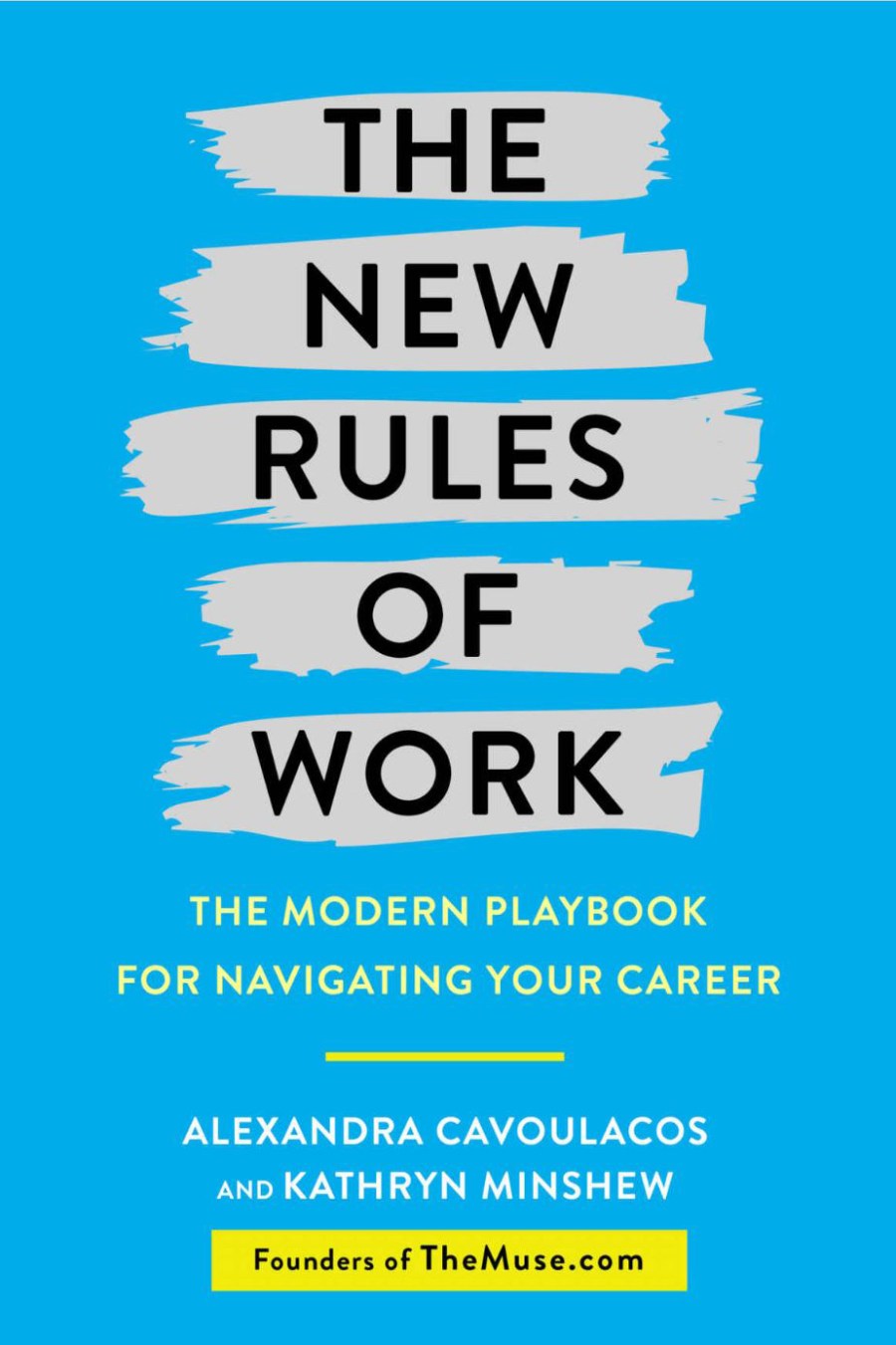
Read this if…The last time you looked for a job was during the Bush Administration. Here’s your chance to update yourself on how the job search landscape has changed, from LinkedIn to online job boards.
In a nutshell: The founders of the career powerhouse website, TheMuse.com, Alexandra Cavoulacos and Kathryn Minshew created a guidebook that will help readers at any stage of their careers sift through their options and nail the right job in today’s workplace. From building a personal brand, to networking, to communicating your value, to crafting a cover letter that gets noticed, this book is the roadmap to the new work world.
Why I loved it: It’s a user friendly guide to today’s workplace with actionable advice, scripts, tips and even self-discovery quizzes to navigate the job search. Plus, I loved the tone – hip, cool and a little funny.
Favorite Quote: “Today’s career trajectories aren’t so scripted and linear. Technology has given rise to new positions that never before existed, which means we are choosing from a much broader set of career options – and have even more opportunities to find work that lights us up. However, we don’t discover and apply for jobs the same way anymore, and employers don’t find applicants the way they used to.”
3. “The Ambition Decisions: What Women Know About Work, Family and the Path to Building a Life,” by Elizabeth Wallace and Hana Schank
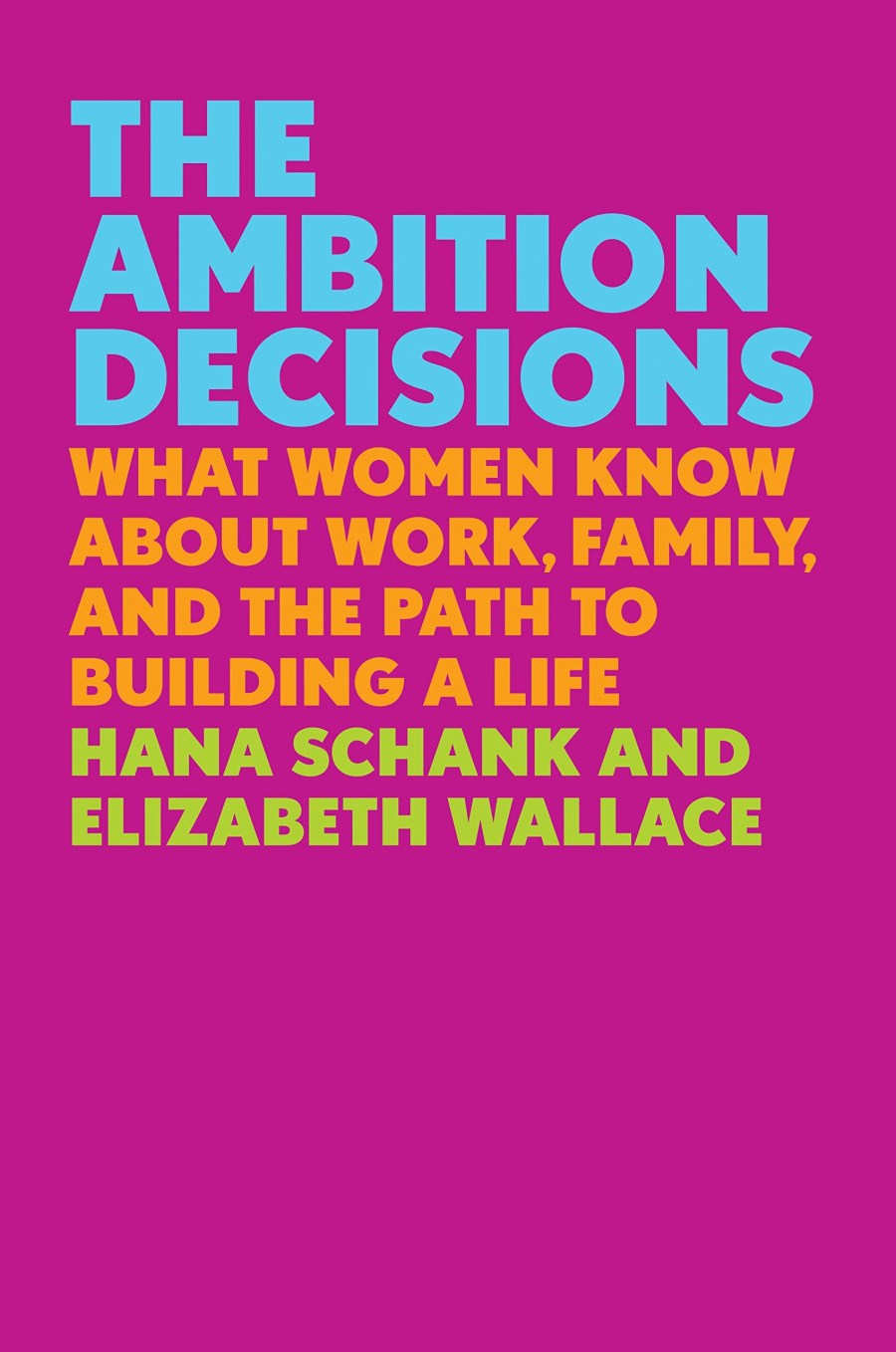
Read this if…You’re feeling alone in your career, marriage, or parenting struggle. Spoiler alert: you aren’t.
In a nutshell: Schank and Wallace were always ambitious, but as the authors hit their own mid-life, mid-career crises, they wondered how things were going for their fellow Northwestern sorority sisters, who attended between 1989 and 1993. The book explores the seemingly arbitrary, yet often consequential, life, marriage and career decisions made by their sorority sisters and gives tips that we can all use in our own decision making.
Why I loved it: Like anthropologists exploring a tribe of working women, Schank and Wallace divide their classmates into three categories: the “High Achievers”, the “Opt Outers” and the “Flex Lifers.” They follow their decisions and consequences through various transitions points in their lives.
Favorite Quote: “Researching this book showed us that there isn’t one true path; women’s lives are filled with twists, bypasses and detours, countless choices that can lead to great fulfillment.”
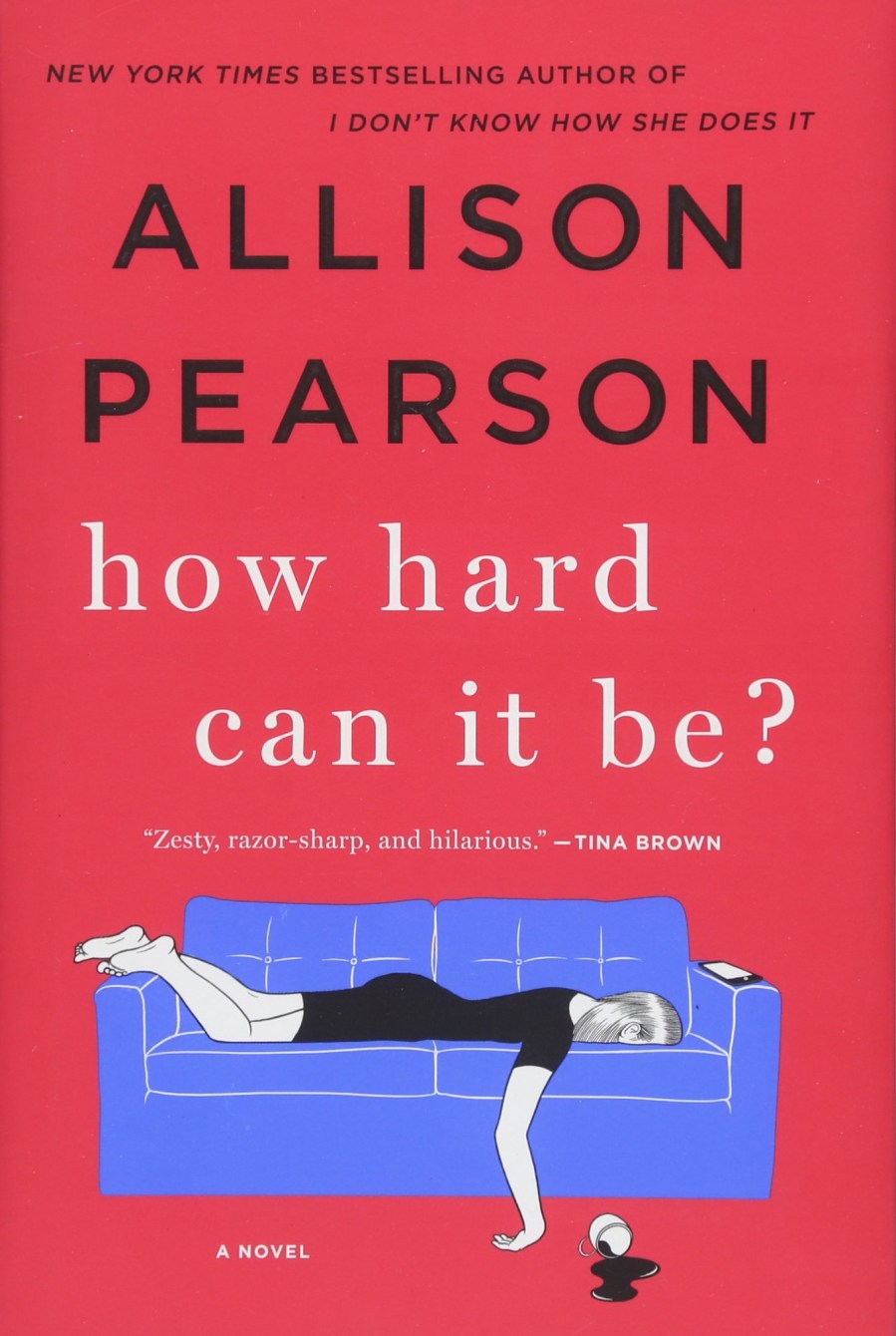
Read this if…You want inspiration and you are a data junkie. Stromberg has a wealth of research, data, and first-hand accounts that show you can create a successful career path and fulfilled life on your own terms. In a nutshell: Based on her “Women on the Rise” survey of 1,500 women, Stromberg’s book shows with examples and data how women successfully “pause” their careers and thrive. She disrupts the lean in or opt out paradigm with compelling stories of hundreds of women who have paused without sacrificing success or happiness. Stromberg ends with policy prescriptions and suggests what Washington, men and corporate America need to do to make the landscape better for working women. Why I loved it…Stromberg’s research showed that there were a lot of women like me – almost 90 percent – out there who hadn’t planned to leave the workforce but did. Of the women she surveyed, 52 percent ended up leaving the workforce completely for a period of time and another 20 percent downshifted. And guess what? For most, pausing was not a career killer. Favorite Quote: “It is time we come to recognize that those who place the personal before the professional aren’t failures; they are career innovators who have the courage and grit to risk it all for that which matters most to them.” Read this if…You’re a woman between the age of 25 and 95. In a nutshell: Kate Reddy, heroine of “I Don’t Know How She Does It,” is back, about to turn 50 and is looking to return to work after a career break. She fudges on her age, starts working out, joins a women returners’ group and slightly exaggerates on her resume. And then things get interesting. Why I loved it: Kate Reddy’s take on middle age manages to be hilarious and poignant at the same time. Hands down, my favorite book this year. Favorite Quote: I cannot pick just one – read the book. And of course, once you land the job, your first read should be the re-release of Mika Brzezinski’s best-selling book, “Know Your Value,” which will give you the tools and strategies you need to be your own career advocate. As Mika says, “Once you truly own your voice, it’s amazing how effective you can be with it.” All of these books can help you find that voice and give you the confidence to use it. Ginny Brzezinski is Know Your Value’s comeback career contributor. She is co-writing a book on the subject with her sister-in-law, Mika Brzezinski. It will hit bookshelves in the fall of 2019.
Ginny Brzezinski Recommended


4. “Work Pause Thrive: How to Pause for Parenthood Without Killing Your Career,” by Lisen Stromberg

5. “How Hard Can it Be?: A Novel,” by Allison Pearson
Also: “Know Your Value,” by Mika Brzezinski

