








As a former political analyst for MSNBC, so I’m used to speaking extemporaneously. But there’s one line I have memorized — my credentials. Here it is: I’ve worked on four presidential campaigns, served in the White House, run political campaigns and graduated from and teach at an Ivy League institution.
I don’t even have to think about it anymore, that’s how easily that sentence rolls off my tongue. I’m proud of my accomplishments— but that’s not why I’ve memorized them. It’s because as a woman, and especially as a black woman, I’ve had to become comfortable with recognizing and articulating my own value just so that other people would value my knowledge and expertise, too.
Here are three times I’ve had to know my value over the course of my life so other people would know my value, too.
1) In television
For most of my adult life, I’ve walked around in a body that’s been undervalued, under skepticism and underestimated. I’m a black woman in politics who also happens to look 10 to 15 years younger than I am. And all of those things factor into how I walk through life — and especially in front of the cameras as a political analyst on cable news.
I’ve always known I’ve had to work harder, be smarter and have a longer resume than the men I’m working with to be valued for what I bring to my table. That’s why, when I’m on a segment analyzing the political news of the day, I’ll often find a way to mention my past experiences. If viewers are going to automatically discredit me because of how I look, I’m going to actively work to discredit their assumptions.
That means I’m often doing two times the work: I’m convincing people of my political point, and the point that I get to have an opinion—and that more often than not, it’s a good one.
Women, and particularly women of color like myself, are often caught in a lose-lose situation. If you don’t speak up and brag about yourself a bit, your expertise may not be valued. But if you speak up too loudly, you run the risk of being seen as too loud, too overbearing, too aggressive, too everything—both by men and everyone else who’ve internalized patriarchal ideas (women aren’t exempt either!).
My advice: Do the best you can. Try to thread the needle using the smarts you’ve had to develop as an underestimated person to read the room and figure out how you can subtly —but swiftly — show everyone in the room that you deserve to be there. But keep in mind that this system wasn’t designed for you, and advocate the best you can for yourself individually while also making sure to support policies locally and nationally so that future generations won’t have to.
2) In politics
Growing up, my parents taught me there were three acceptable professions: a doctor, lawyer or an engineer. They grew up in Haiti, where politics was associated with corruption; they wanted me to have nothing to do with it. I didn’t either—until a fortuitous trip to Haiti when I was in graduate school.
I was working on a project for my master’s degree that gave me the opportunity to go to Haiti for the first time in my life. Even though I had heard stories all my life about Haiti, I had never had the chance to go. In graduate school, that changed.
RELATED: 3 things I learned about voting from working in the White House
It was that trip, along with some pushing from mentors that made me realize that I could make a difference in politics. Before that, I tried everything in my power to become the doctor my parents wanted me to be. I took pre-med courses in college and studied as hard as I could for the MCAT, the qualifying exam for medical school. I’d often stay out so late studying that as soon as I’d park my car at home, I’d fall asleep—never making it past the garage. It just never clicked for me.

But in Haiti, something clicked. I wanted to make a difference for my country and my parents’ country, and politics was how I could make that difference. And I had a sense I just might be good at it.
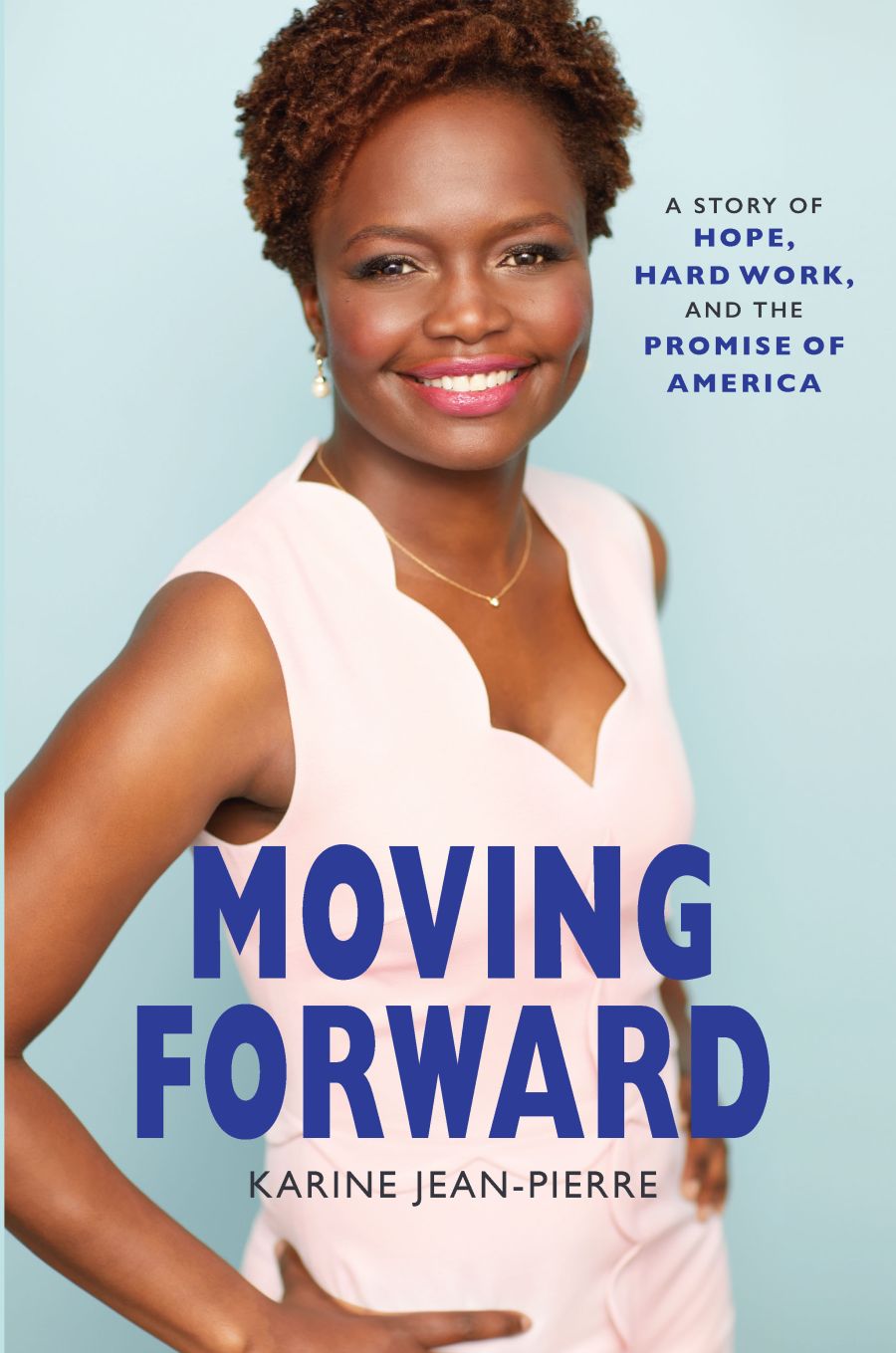
So I got into politics—and I’ve never left. But it took until my mid-20s to figure out what profession I’d be most valuable and what role would make me feel like I was contributing the most value. That’s why I always tell people that it’s OK if you’ve gotten a late start on figuring out what you want to do. No, really — It’s OK! Sometimes that’s just how long it takes to find the path that’s been waiting for you all along. That doesn’t mean you’re behind or worse off than anyone else. If anything, it means you’re sure you’ve finally found what you’re looking for. I know the headline of this article says three times I had to know my value so everyone else would know it, too, but the truth is having to recognize my own strengths, my own expertise, has been a constant battle for me. I could name another discrete experience, or I could tell you the truth: Not a day has gone by where I haven’t had my value questioned as a black woman. Here’s another truth: Having others question my value has made me question my own value. I’m confident in who I am and what I bring to the table (after all, I’ve worked on four presidential campaigns, served in the White House, run political campaigns, and graduated and teach at an Ivy League institution), and I’m confident enough to say that there are still moments I have doubts. I think that’s OK. Because when everyone around you is doubting you, it’s hard not to project those feelings onto yourself. It’s hard not to become the version of yourself they want—or expect—you to be. Men don’t have to work through that. Women do. Here’s what I’ve learned: Lift yourself up like you’d lift up one of your friends. You know how deeply proud you are of your best friend who’s just accomplished something huge? Congratulate yourself the same way you’d congratulate them. If they deserved it, so do you. And while you’re at it, make sure you’re lifting your friends up. Now that I’m more recognized, I sometimes get to skip the part of the dance where I have to prove my salt. And it feels great. You know what feels even better? Shouting out my friends who are doing amazing work so that one day soon, everyone else will know their value before they walk into a room. Karine Jean-Pierre’s roots are in politics, from grassroots organizing to working on presidential campaigns. She worked in the Obama White House, managed political campaigns nationally and locally, and is the former chief public affairs officer for MoveOn. Her book “Moving Forward,” is the story of how she found her call to action and how you can, too.
Karine Jean-Pierre
Karine Jean-Pierre is an Haitian political campaign organizer, activist, political commentator and lecturer in international and public affairs at Columbia University. She is the Senior Advisor and National Spokeswoman for MoveOn.org. Recommended


3) All. The. Time.
