








With National Voter Registration Week wrapping up, I’ve been thinking a lot about how Americans cast their ballots. I grew up in a family that voted together in every election. And now, I take my 5-year-old daughter to every election, too.
Because I’ve worked in politics for decades, voting has always been on the forefront of my mind. I’ve worked on four presidential campaigns, served in the White House under President Obama, and now work at MoveOn, the largest progressive advocacy group in the country. You might be surprised to know that working in politics hasn’t disillusioned me. If anything, it’s made me admire the voting process even more, no matter what side of the political aisle you’re on.
Here are three things I’ve learned about voting over the years — from my family and the first family under President Obama.
Local politics matter a lot more than you think.
My dad and I voted for the first time together in the U.S. when I was 5 years old. It made sense — we had become naturalized citizens together, too. We were living in Long Island then, and I remember the first time we voted so clearly. It was a local election, which normally have much lower turnout rates, but we were just excited to be able to cast a vote.
My parents grew up in Haiti, and unfortunately they watched the country they loved slide into dictatorship. Their lives (and voices) became more and more constricted. They came to America for freedom. And even though they knew that freedom had its limits here, too, they understood that America valued democracy and the freedom of speech. That was enough for them.
RELATED: How political networking can take your career to the next level
My dad didn’t see voting as a privilege, but a duty. So we voted together as soon as we could, and then as often as we could. Looking back, I’m glad the first time we voted was in a local election. It’s true that local elections often have more of an impact on your day-to-day life over national elections, which is reason enough to vote in local elections.
But for my dad, it was deeper than that. Ever since my dad found out what it was like to have your right to vote taken away from you, he’d never voluntarily give up the chance to cast his ballot. That’s a lesson I’ll never forget. And it’s one I’ll never let my daughter forget, either. We vote together in every primary, every local election and every national election, too. At this point, she’s a veteran voter: She’s been coming with us to vote since the 2015 presidential primary — before she even turned two!
Voting can be hard.
That’s just the truth. But it’s not a fluke — it’s by design.
In some states, registering is a hassle, and you need to meet confounding deadlines eons before the election just so you can actually, you know, vote in the election itself. Some states make it hard by restricting early voting, which helps people who have obligations on the day of the election itself be able to vote. And in many states, formerly and currently incarcerated people are barred from voting outright. On top of that, many districts — where you vote for your member of the House of Representatives, say — are gerrymandered, or drawn in a whiplash sort of manner that is sculpted to suppress the voting power of communities of color.
All of this adds up to voter suppression, an attack on voting that goes against the spirit of our democracy and disproportionately disenfranchises people of color.
political networking MJ bump: Adrienne Elrod, Susan del Percio from Know Your Value on Vimeo.
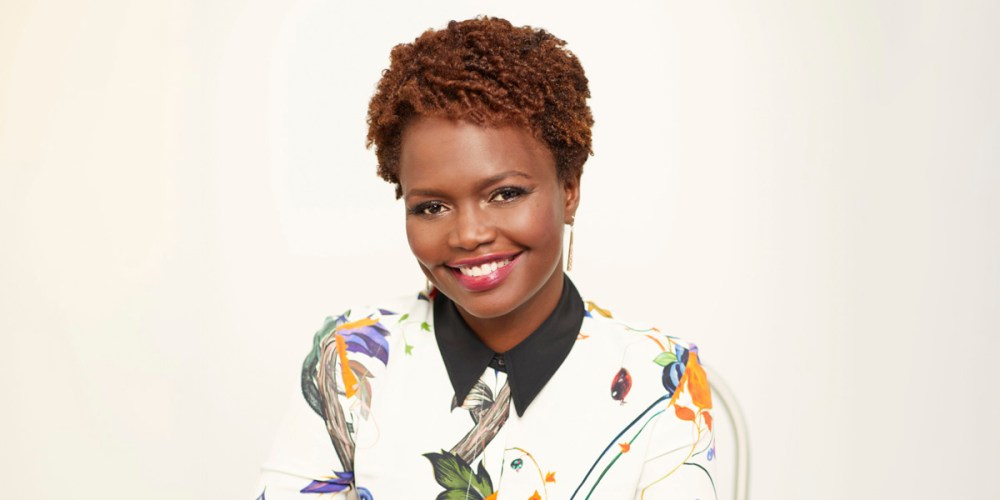
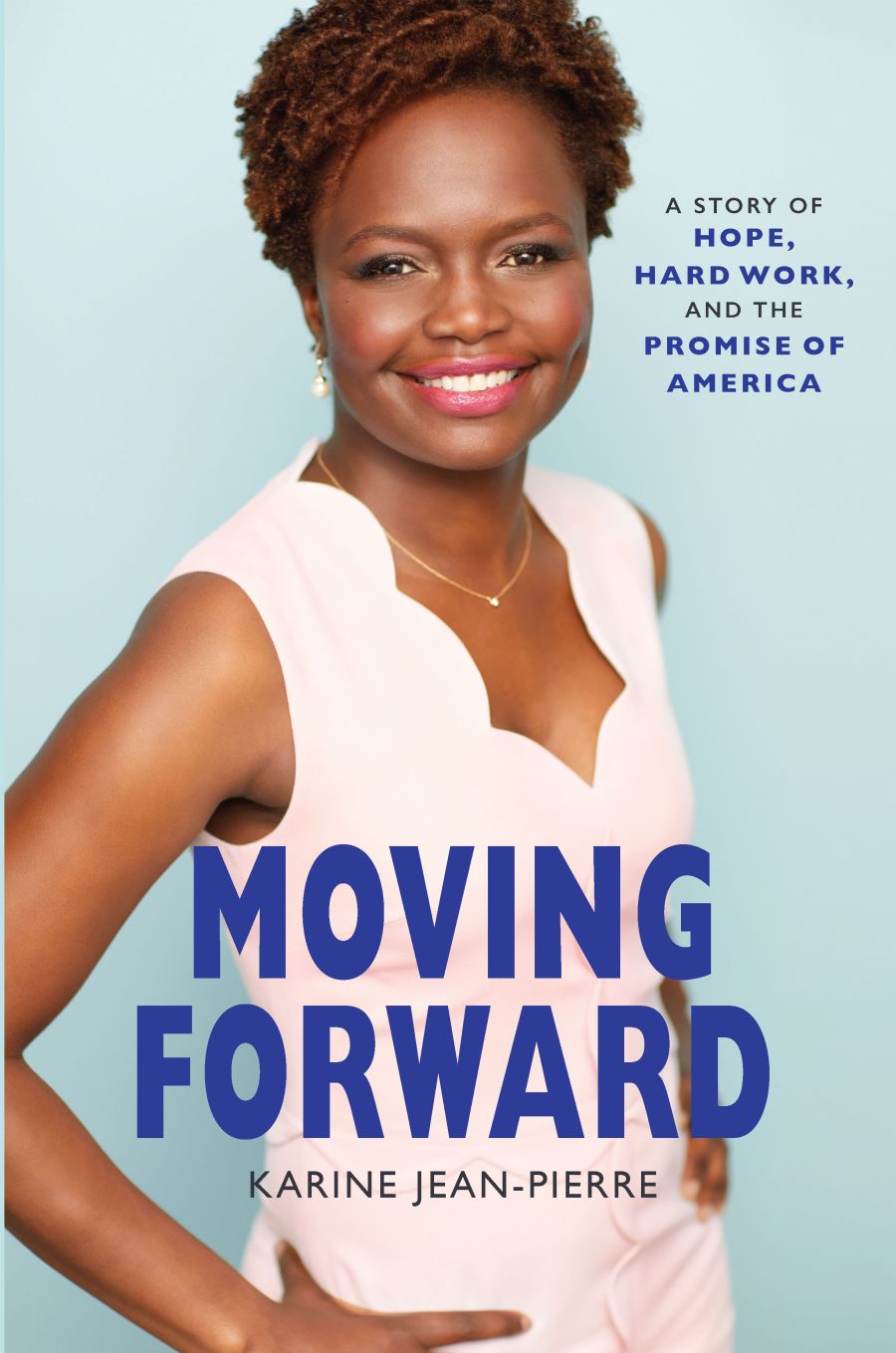
I watched this play out across the country in the 2016 election — and one particularly egregious example was in Wisconsin. Unfortunately, Wisconsin, under then Republican Gov. Scott Walker had just enacted a slew of voter suppression laws. One of the most damaging was a new voter ID law, which required that you present a form of identification even if the state had already processed and deemed your application to register to vote acceptable. The people who don’t have identification are disproportionately low-income and people of color. The Wisconsin law said that if you didn’t have identification, you could cast a provisional ballot, but you’d then have to go and get a form of identification from the DMV and then visit the City Clerk’s office and present it, all within 72 hours of the election. And, of course, you’d have to dig up the money to purchase the ID card. Needless to say, voter suppression in Wisconsin (and across the country) worked: The state, which had the second lowest rates of voter participation in both 2008 and 2012, had its lowest turnout in 16 years. The state’s electoral college votes — though tainted by voter suppression — wound up being decisive in determining the outcome of the election. All that’s to say, if you think voting is confusing, annoyingly difficult or just plain old inconvenient, you’re right. But, if you’re able, still try to vote — and do whatever you can to overturn any voter suppression in your town and state. It can be hard to cast a vote and say: my vote did something! Sometimes it feels like you’re just one person out of hundreds of millions. How could your vote mean anything? But it does, I promise. Your vote will always matter. I was working for the Obama Administration after the historic 2008 election saw record numbers of young and black people turn out. But then came the 2010 midterm elections, and, truth be told, people didn’t turn out to the polls like they did in 2008. We lost the majority our party held in the House, and barely held on to the majority we had in the Senate. After that, it became so much harder to make any progress, and our legislative agenda was effectively stymied. Our ability to make change was put on hold. So vote. Vote often. Vote early. Vote like your vote counts — because it does. Karine Jean-Pierre’s roots are in politics, from grassroots organizing to working on presidential campaigns. She worked in the Obama White House, managed political campaigns nationally and locally, and now serves as a political analyst for MSNBC, the chief public affairs officer for MoveOn, and teaches at Columbia University’s School of International and Public Affairs. Her book “Moving Forward,” out November 5, 2019, is the story of how she found her call to action and how you can, too.
Karine Jean-Pierre
Karine Jean-Pierre is an Haitian political campaign organizer, activist, political commentator and lecturer in international and public affairs at Columbia University. She is the Senior Advisor and National Spokeswoman for MoveOn.org. Recommended


Voting matters.
