“We decided not to give raises mid-year.”
“We probably won’t be handing out bonuses this December.”
“Typically, you have to work in your position for 18 months before you apply for a promotion.”
Do any of the above sound familiar to you? Maybe you even received one of these responses at your last employee review. At first glance, they seem final.
But are they?
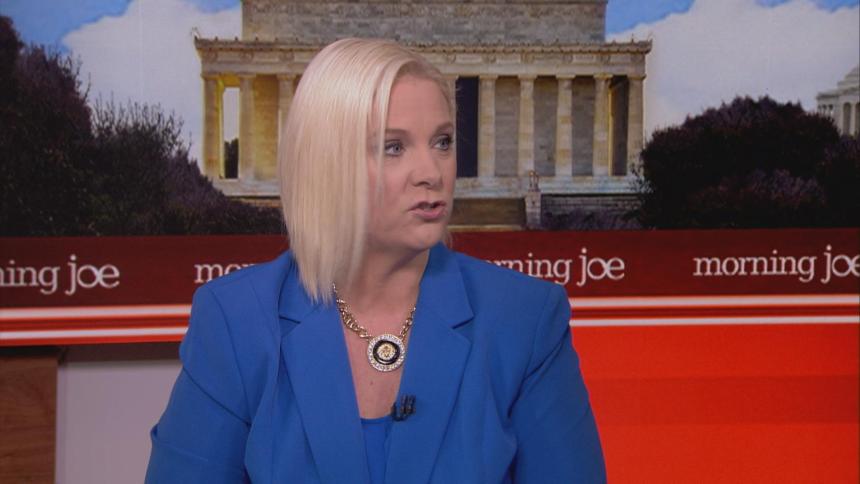
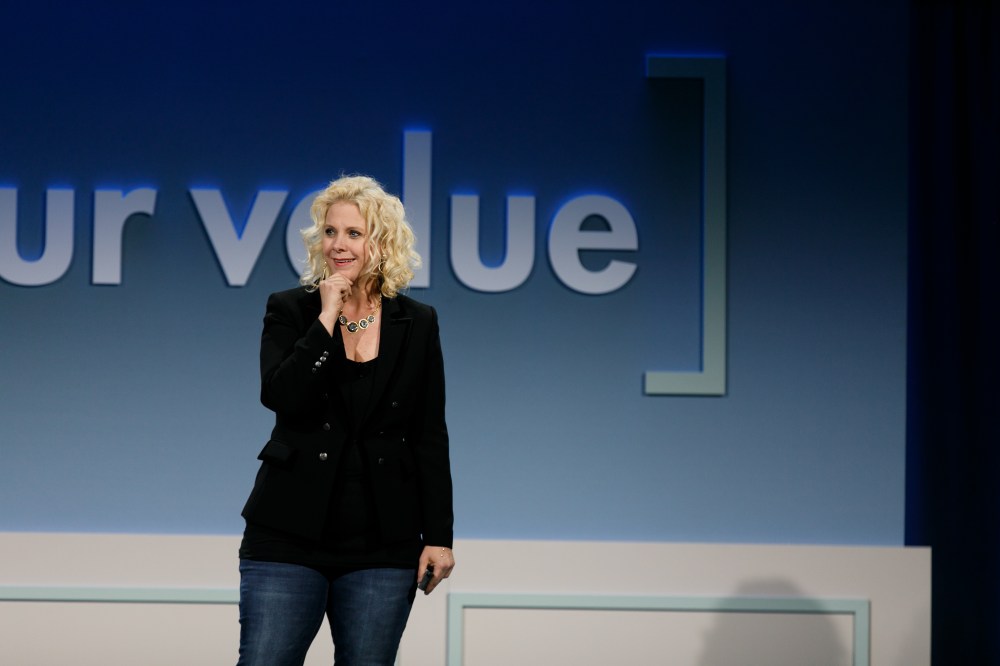
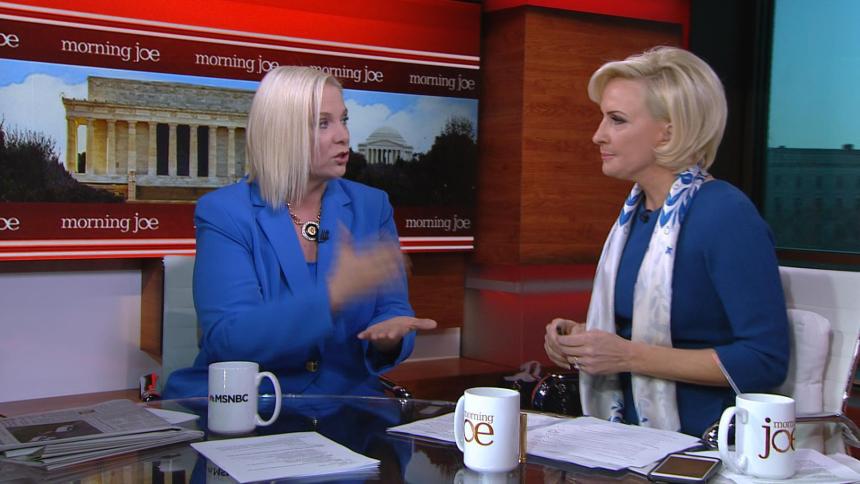
Body language expert Janine Driver sat down with Daniela Pierre-Bravo at the annual Know Your Value conference in San Francisco to discuss the power of three very specific words to get exactly what you want.
Driver said that when you hear these particular words, “It’s like someone just came to your house unexpected,” she said. “You throw all your crap in the closet, and you close the closet door. It’s 98 percent closed, and 2 percent open because there’s a golf umbrella sticking out, or a shoe, or a coat.”
Those words hold the door open for you. Driver, a former lie detection expert for the ATF, FBI and CIA, insisted that these words say: “You have a 2 percent chance of turning the tide.”
So what are these magic words and should you use them?
1. Decided
“When someone says the word ‘decided,’ it does not mean it was executed on,” explained Driver at her recent TEDx talk at Harding University. “Decided means there’s another way.” You can decide to lose 20 pounds, but that doesn’t mean that you actually lose the weight. Lots of people make New Year’s resolutions and decide to do things, but according to a University of Scranton study, only 8 percent of us actually carry out that decision.
You may have asked for a raise and your boss said, “After we looked at our budget, we decided we’re not going to be able to give you a raise this year.” You may have assumed that your request was denied. But Driver said the underlying meaning is this: “If you fight for it, you can get it.”
2. Words that end in –ly, like typically, normally, traditionally, usually
Imagine you’re at the grocery store and you’re comparing two cuts of meat that are exactly the same — but one is labeled “100 percent organic” and the other is labeled “Typically 100 percent organic.” Which meat would you buy? The word typically introduces confusion and invites follow-up questions.
If a manager told you, “Typically, you have to work in your position for 18 months before you apply for a promotion,” you may have assumed that you shouldn’t ask for a promotion until you’ve worked in your position for 18 months. But Driver revealed that the true message is that most people don’t apply for a promotion until they’ve worked in their position for 18 months. Are you most people? Or would you like to be the 2 percent who push that closet door open? Driver called decided and –ly words “wiggle words.” They suggest that there might be an exception to the rule. Driver recommended “eliminating these –ly words from your vocabulary and noticing when other people use them because they just left the closet door open to getting exactly what you want.” 3. Because Driver said “because” is “the most powerfully persuasive word.” And that’s not just opinion. A Harvard study discovered that using the word “because” followed by a reason dramatically increases the chances that your request would be granted. If you’re asking for a raise, you could use “because” in this way: “Because I brought in more sales than anyone else on the team this year, I’d like to be considered for a raise.” If a promotion is what you’re after, you can say, “Because of corporate restructuring, I’ve taken on additional responsibility, and I should be considered for a promotion.” Driver feels so strongly about this word that she proposed a “Because Challenge” to her clients. “Every time you hear one of those wiggle words,” she said, “reply with a because.” Worried you’ll forget these magic words? Driver created an expression to help you remember: “Decided-LY because changes what was.” If you feel hesitant to speak up when you hear these words, Driver suggested asking yourself, “If I don’t fight for what I want right now, is this going to affect someone else in my life?” Now it’s up to you to leverage this information and make changes happen in your life. These words can “change everything for us,” said Driver.
Rosie Colosi, TODAY
Rosie Colosi is a reporter for TODAY Parents. Recommended