








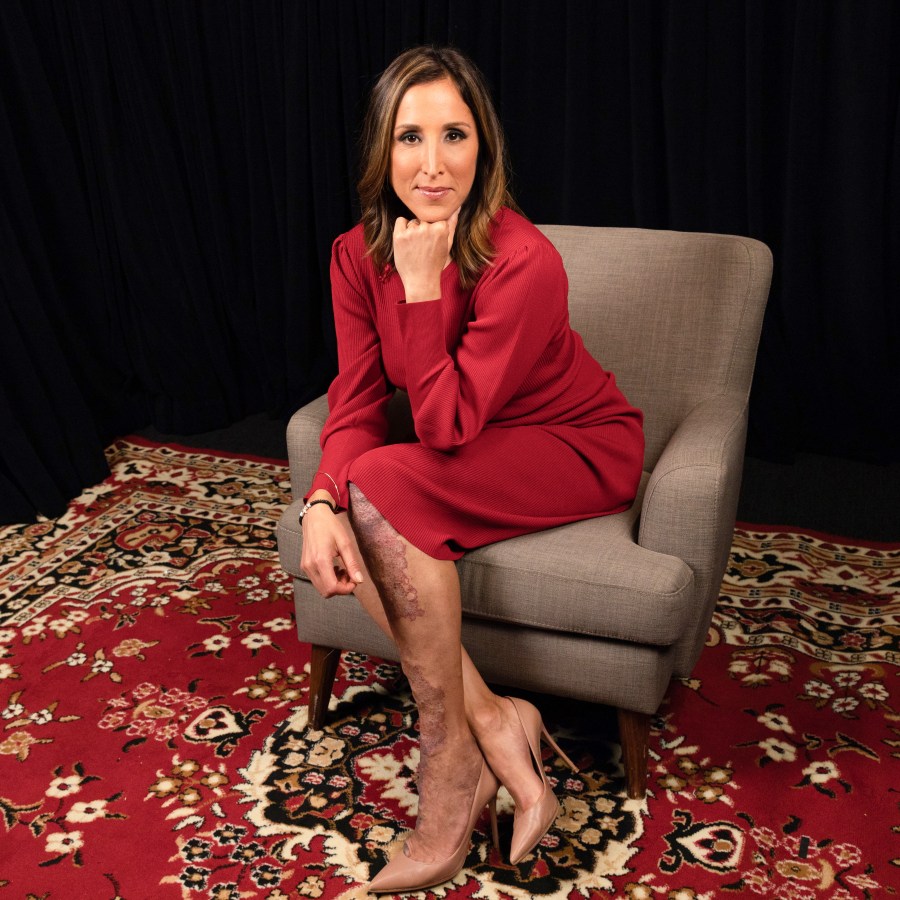
In 2019, MSNBC anchor Yasmin Vossoughian made waves when she wrote about a large, purple birthmark on her left leg that impacted her confidence and self-image for much of her life. “I found different ways to cope, including a decade-long eating disorder, chronic anxiety, overachieving and trying to be everything to everybody so they couldn’t see what I was hiding: a lack of self- acceptance and self-worth,” she said at the time.
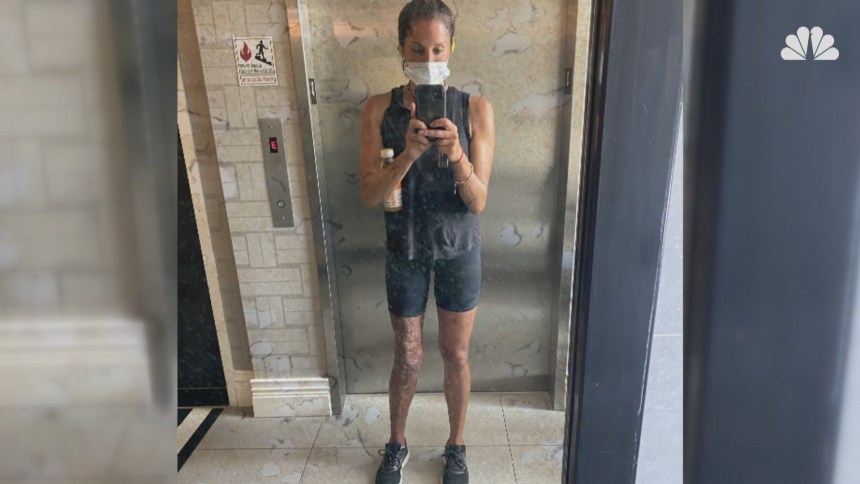
Vossoughian’s honesty and candor with that struggle sparked national attention as the veteran reporter opened up about her journey toward self-acceptance and self-love. But even now, that doesn’t mean there aren’t moments of daily struggle for her.
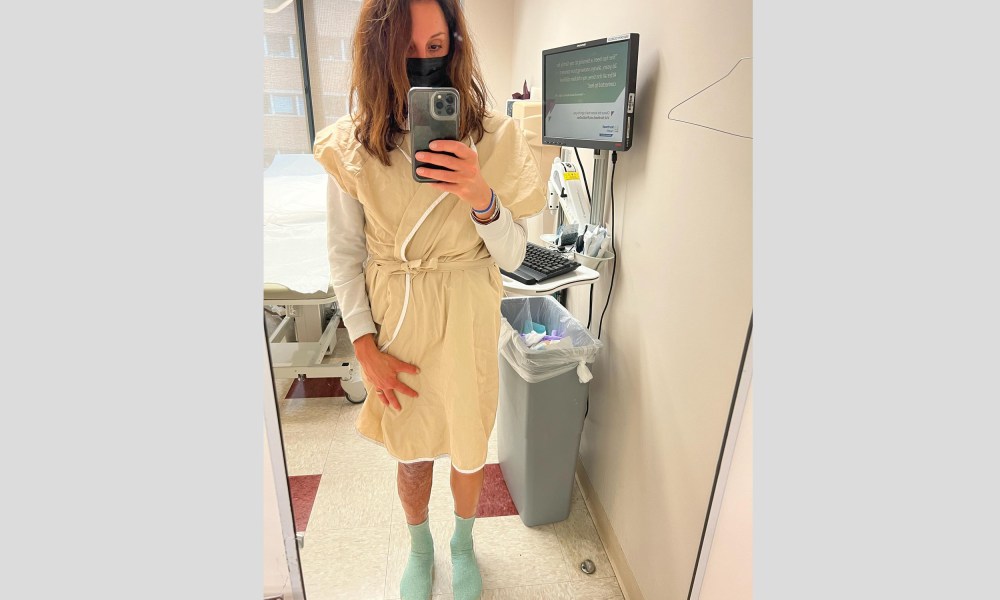
Earlier this month, Vossoughian shared an Instagram post revealing the painstaking treatments she received to manage a congenital vascular disorder called Klippel-Trenaunay syndrome (KTS). A rare condition, it’s affected by the port-wine stain that runs down the length of her left leg.
“Every few years for about 3-4 months straight I get what’s called sclerotherapy,” she wrote. “It’s a varicose vein treatment, which many people get, but I get it because in addition to my port wine stain I have what’s called KTS … which affects the veins that need to be collapsed essentially.”

The MSNBC anchor recently spoke to Know Your Value about her condition, the treatment she received and how she’s stayed positive during the process.
“[KTS] are these veinous malformations – varicosities – these raised veins on top of my port-wine stain,” she said. As the condition worsened and became more painful during both of her pregnancies, Vossoughian sought treatments starting in 2013 to manage the swelling in her leg.
The treatment she received – sclerotherapy – is commonly used on small varicose and spider veins. It involves injecting a solution directly into the targeted veins. The solution causes them to inflate, then compress and seal, forcing blood to reroute through healthier, deeper veins. The collapsed veins are reabsorbed and fade over time.
“So for three to four months, every few weeks I get little needles put into my [affected] veins, then [my doctor] packs the area tight with cotton balls and tape, and then I have to pull my thigh-high compression tight over my leg for two nights,” she said. “After that, I take the cotton ball [wrapping] off and I wear the compression tight for two weeks straight.”
For Vossoughian, who regularly exercises, that meant no physical activity during the recovery process. “It’s a nightmare – I need to run, do yoga – it keeps my mind focused during this crazy news cycle,” she said. “I definitely go into woe-is-me mode and it’s a management of depression a little bit.”
But it was the vulnerability she felt during her last day of the months-long treatment that led the MSNBC anchor to share her experience.
“I made that post because I thought, this is me and it shows that I still struggle … it’s always going to be a bit of a struggle for me, just as it is for anybody who deals with anything. And sometimes it feels good to know that you’re not alone,” she said. Vossoughian admitted that part of her emotional healing came down allowing herself to acknowledge the hardship and allowing others to help. “Everybody has a story, everybody has a mark like mine. You just may not be able to see it the way that you see mine, but there’s something that for everybody is like the albatross around their neck,” she said. “My advice is take the woe-is-me time, take help. Have honest conversations. When someone asks how you’re doing, don’t say fine. Tell them you’re having a tough day and maybe something that that person says, even if they’re not your closest friend, might spark something in you.” Her final piece of advice for navigating these challenges: let your genuine supporters lift you up. “I’m not very good at letting people in or asking for help, but a big thing for me is surrounding yourself with those who really do support you,” she said. “The people who are there for you in the right way – that you don’t necessarily need to explain yourself to – are the key to getting through and just to remind yourself that you’re loved, no matter what.” Yasmin Vossoughian is an MSNBC anchor and host of “Yasmin Vossoughian Reports,” which airs Saturdays and Sundays from 3 to 5 p.m. ET.
KYV Editorial Staff Recommended

