








Let me finish with this.
I have a theory about presidential elections. To win, you need a top-drawer strategist, someone with their finger on the country’s pulse, someone who knows what the voter feels, knows, and wants for the country — and wants it in the candidate running for president. The strategist needs one other thing besides message; he needs to know how to exploit it, how to lead his candidate to victory.
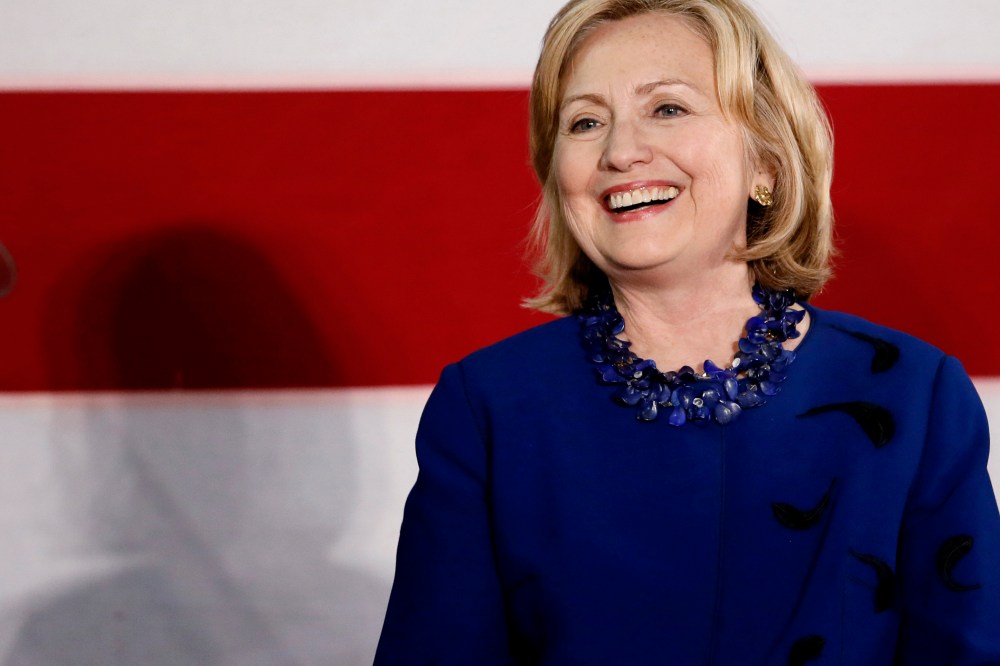
David Axelrod knew the key factor in the 2008 election was “Which candidate will deliver us from the stupidity of the Iraq war.” David Plouffe knew that the key to exploiting that advantage was winning the delegates of the caucus and smaller primary states even as Hillary Clinton was winning the big Democratic states.
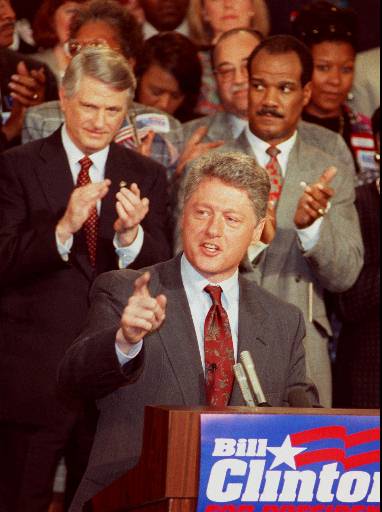
In 1992, James Carville and Paul Begala knew that the key to beating the estimable George Herbert Walker Bush was to connect with regular people. Bill Clinton promised to look out for “people who work hard and play by the rules.” Bill Clinton cared about people like you.
In 1976, Jimmy Carter knew that the country wanted deliverance from Watergate and the smell associated with it, including the pardon of Richard Nixon. His campaign manager, Hamilton Jordan, also knew that the Democratic voter wanted more than the usual rhetoric. They wanted a governor not a senator who would focus on making things work, not the same old agenda that never got delivered. So “Jimmy Who?” beat the whole pack of well-known liberals. The shape of the field, once again, decides the winner.
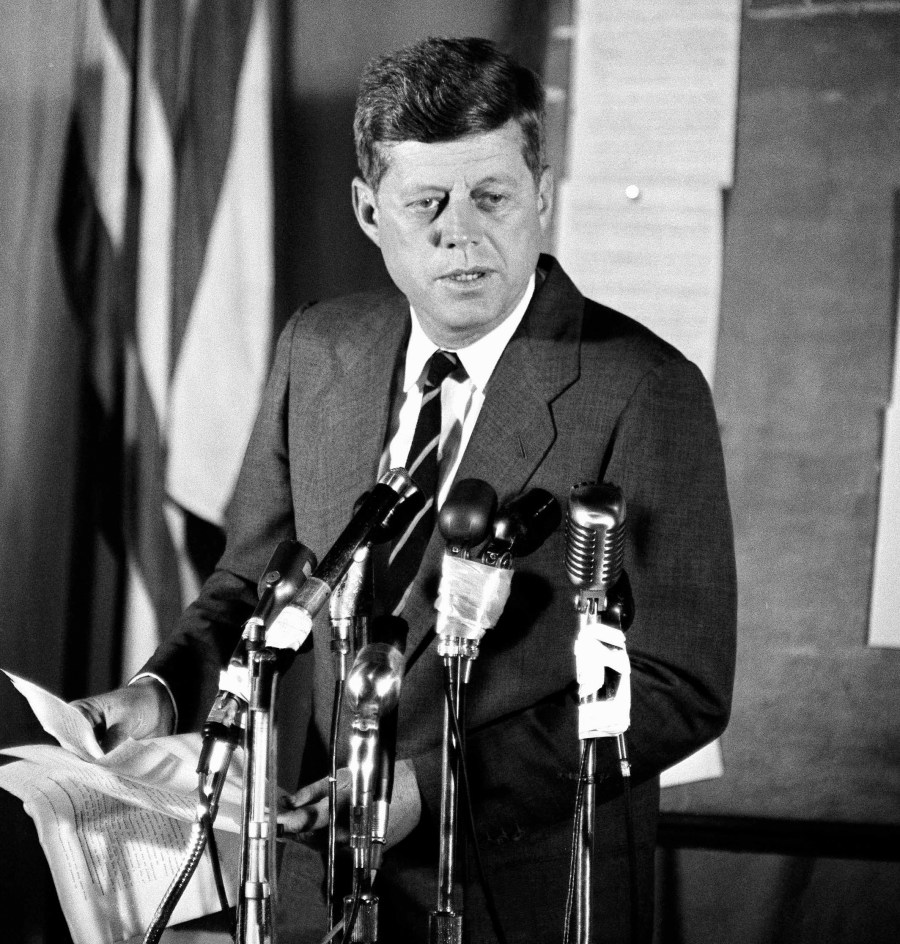
In 1960, Jack Kennedy’s pollster Lou Harris could sense the country’s restiveness. People could feel us losing a step or two from the post-World War II years.
“Let’s get this country moving again,” JFK promised.
And how did he deliver on that promise? His brother Bobby said that the key to winning primaries was to go out and meet people, get to know delegates personally. That’s what Jack did and won before the 1956 convention even met.
The word “strategist” is way overused. I limit it to people who have done it. It started with the guy, James Rowe, who wrote the memo that Harry Truman used to win the biggest political upset ever, winning that presidential election nobody ever thought he could win in 1948. He saw how the great New Deal coalition — of farmers, labor and liberals, Catholics and African-Americans — had splintered apart and told Truman how to rebuild it. He said the Democratic party had spent too much time on fundraising and not enough on party-building. Truman kept that memo of Jim Rowe’s in his Oval Office desk drawer. It changed history. Real strategists do that. We will know who’s going to win the 2016 election when we see a strategy like this begin to unfold. We will hear a clear and compelling message. We will see a successful campaign carrying it to the voter. If we don’t see the strategy, don’t expect to see a victory.
Chris Matthews Recommended


