
A 17-year-old high school senior named Jasmyne recently submitted a question to my podcast, “The Courage Hotline,” asking for guidance in deciding which college she should attend. She had been accepted to Rutgers University in New Jersey and was excited about the potential of going to school out-of-state. But, her excitement, I sensed, was burdened by stress and limiting beliefs she held about her capacity to thrive away from home. She asked me: “What if I get there, and I hate it? What if I get extremely homesick? I’m quiet, so what if I don’t find friends?”
The deadline to formally accept the admissions offer was quickly approaching, but Jasmyne was weighed down by uncertainty and was feeling “stuck.” I’ve heard similar stories from young women across the country like Jasmyne who experience overwhelm followed by immobility when it comes time to make important life decisions. Research shows when women are under stress, they take more time than men to weigh contingencies before moving forward.
Through my work as a speaker and courage coach, I’ve come to understand that young women must consider three critical questions to begin the process of getting unstuck and moving forward.
Are you waiting for permission?
It is perfectly appropriate for a 6-year-old child to wait for her parents’ permission before darting down the street to play with neighborhood friends. That appropriateness, however, fades as young women develop the power and ability to choose for themselves.
The feeling of being stuck can come about when young women wait for someone to give them the green-light. They can, quite literally, stay stationary as they look to friends, partners and parents to authorize important decisions about their personal and professional lives.
Young women may trick themselves into believing they’re gathering different perspectives to make informed choices, when really they’re abdicating their power to decide. Many young women know that waiting for permission is often problematic, but I’ve found that they do it for two core reasons: they don’t trust themselves and they don’t want to be responsible for the outcomes of their decisions, especially if those outcomes are less-than-ideal.
Being honest about looking to others for permission becomes an entry point for them to consider how confident they are in their judgment and also to investigate the reliability of their skills to deal with unanticipated realities. Once a young woman begins to lean on her own understanding and build confidence in her decision-making capacity, she can start to give herself permission to move forward at work and in the world — rather than waiting on it.
Are you following rules that don’t exist?
Feeling stuck is often accompanied by a feeling of strain that can surface when young women find themselves following rules that don’t exist. For example, I’ve encountered young women who hand-cuffed themselves with self-imposed pressure to be “perfect.” They bury themselves in trivial timelines. And, they feel obligated to live out other people’s values instead of their own.
The problem is none of these “rules” are real. They happen to be entirely made up restrictions — based on assumptions, expectations and comparisons — young women place on themselves that can complicate, even obstruct, the courage required to pursue their most meaningful goals. Some studies show that more than 10 percent of our thoughts involve a comparison of some kind.
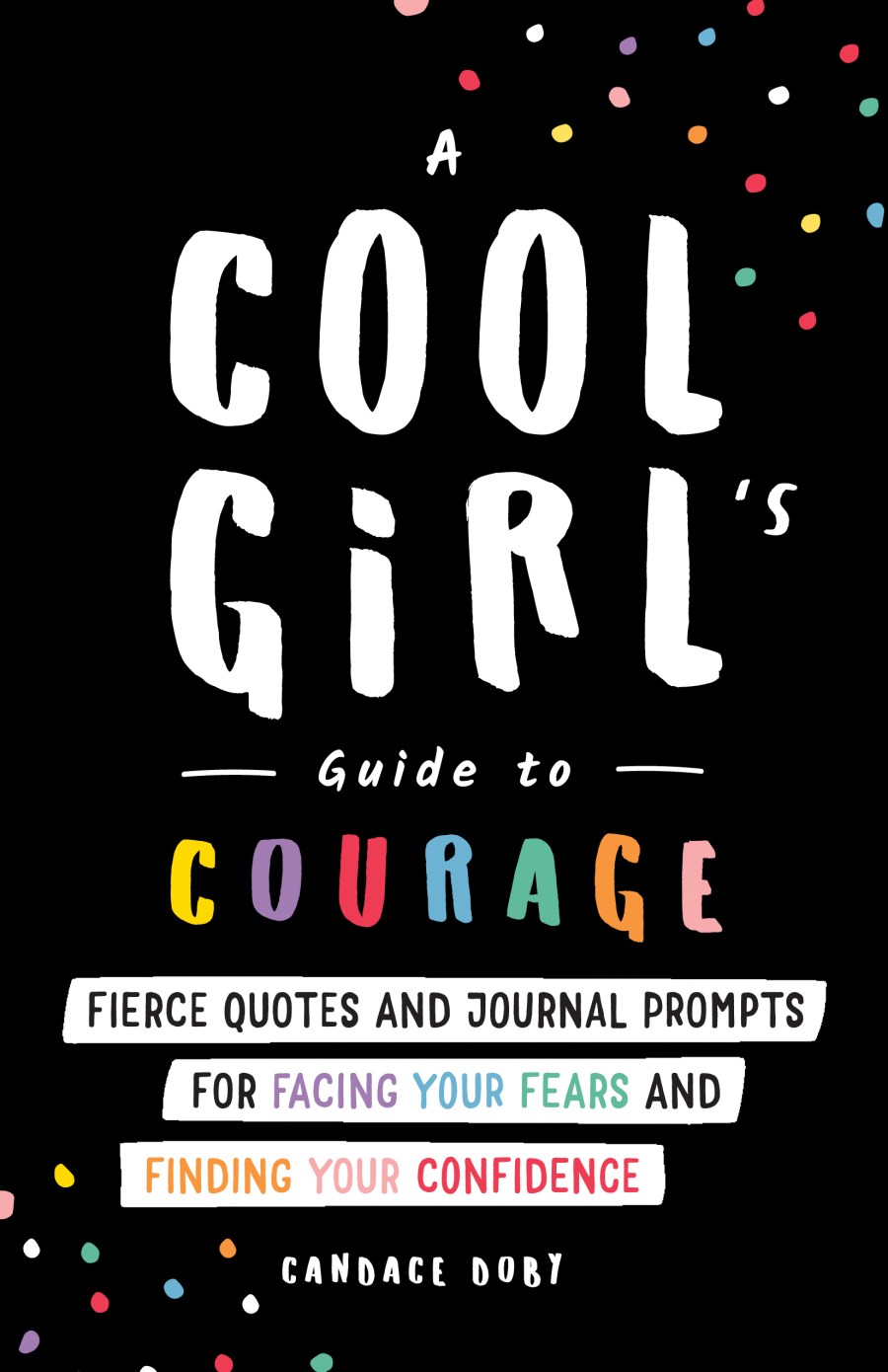
And, a segment of those comparisons can cause young women to erroneously believe that they must follow an arbitrary approach or path, regardless of how incongruent that path is with their unique purposes and potential. When young women find themselves stuck and in a state of strain, it’s important that they ask themselves “what rule am I following right now that doesn’t actually exist?” Doing so will help them uncover and peel away voluntary restrictions that have no business taking up space along their journeys to becoming their best selves. Are you looking for validation? Young women must be careful about exerting energy in search of an another person validating their action. According to studies, part of the human experience involves a psychological need to belong and feel social connectedness. It’s understandable that a young woman can possess a deep desire for other people to believe that she’s smart, that her deeds deserve a handclap, or that her perspectives matter. It’s such a tricky expectation, though, to want another person — who is only capable of understanding a fraction of her ambition, talents, interests and skills — to proclaim that she or what she is doing is worthwhile. If the need for external validation plays a part in young women feeling stuck, they must pick up their own megaphones, amplify their own voices, acknowledge their own value and validate themselves. Delegating that task to someone else is equal to giving away their power. Candace Doby is a speaker, coach and author of “A Cool Girl’s Guide To Courage.” She works with universities and organizations to help emerging leaders activate personal courage to perform to their potential at school, work and in the world. When she’s not speaking or writing, she’s hosting her podcast, “The Courage Hotline.”
Candace Doby
Candace Doby is a speaker, author and coach who works with universities and organizations to help young leaders activate personal courage to speak up, stand out, and stay true to themselves. When she’s not speaking, she working on new designs for her greeting card and gift company, Pep Talker. Recommended