








As children, we’re often asked what we want to be when we grow up. But what we say isn’t always what happens. For example, my father wanted to be a stuntman (he’s a dentist) and my husband wanted to be a sports star (he’s an accountant).
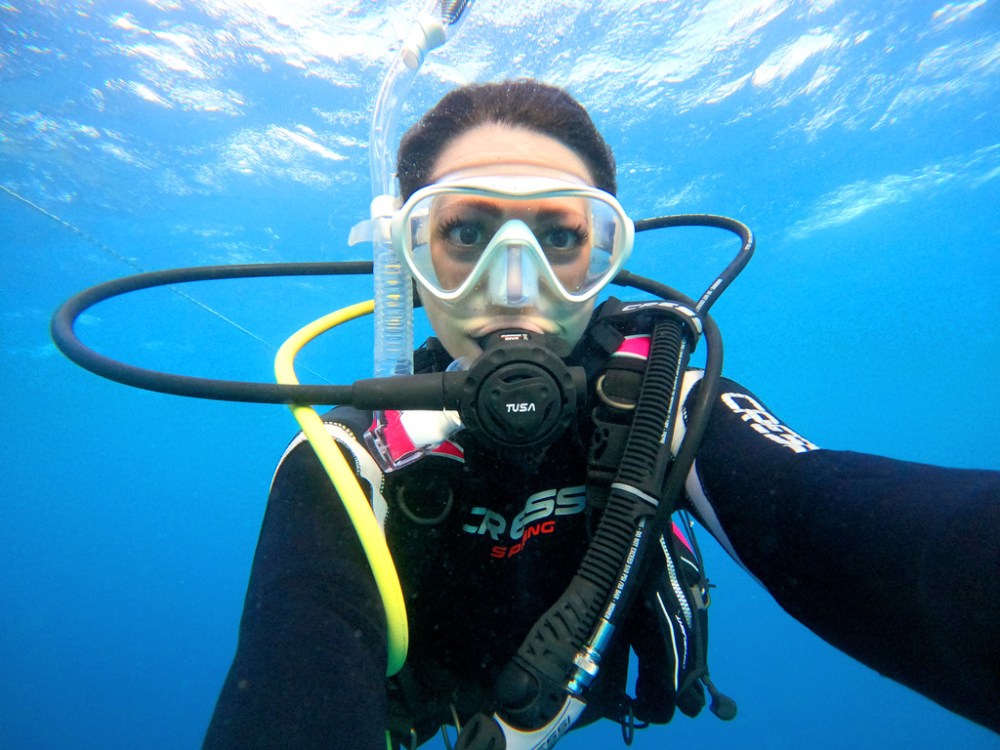
As for me, I wanted to be an ocean explorer. Yet, I ended up becoming a growth strategist for several Fortune 100 companies. For a long time, that single title defined me. But I eventually realized it didn’t have to.
During my 20s, I found myself living in New York’s financial district subscribing to the status quo. My work day started at 8 a.m., and l left the office around 8 p.m. After dinner, I’d end up doing more work to put myself to sleep. My life was on repeat, day in and out. At the time, it was the only thing I knew. It was my life-long belief that the corporate grind would lead to success. And achieving that type of success was all that mattered in my tiny corner of the world.
Growing up outside of Philadelphia, I wrongly believed you picked your professional lane, and you stayed in it. If you were good at math and science, you were eligible to become a doctor, engineer or biologist. If you were good at writing and communications, you could become an advertising executive, publicist or educator. Nothing was blended. You stuck to the predefined frameworks set by the professionals before us.
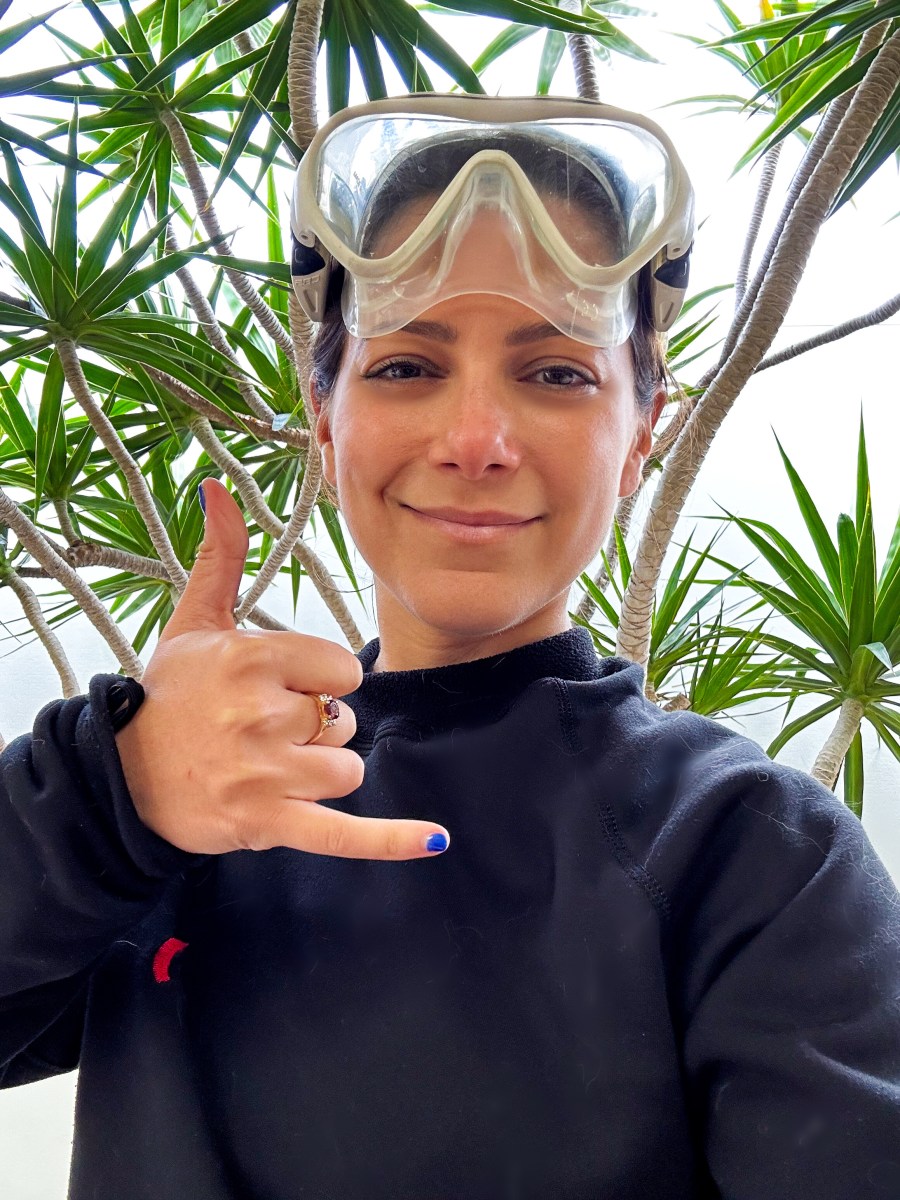
And if you wanted to get involved in ocean exploration, I believed you had to be part of the scientific community. There was no place for someone like me. Or so, I thought.
By the time I was approaching 30, I reached an inflection point. I felt unfulfilled at work, and my news feeds were constantly bombarded with environmental devastation—from starving polar bears on melting sea ice, to dying reef systems, to intense stories about deep sea mining.
I started to feel it was my obligation as a young professional to dedicate my life to this critical cause. As a child, I had a deep fascination with the ocean. But, with little access to one, I hardly spent any time in or around it. I learned about marine life from visiting aquariums and reading fish encyclopedias, marveling at the illustrations. That’s where my dream to become an ocean explorer began.
However, societal pressures took hold, as they tend to do for those growing up on the east coast of the United States. Going to college in Washington D.C. to get a degree in marketing and advertising, I fell firmly into the corporate grind when the financial crisis hit in 2008. My graduating class was on a mission to get a job and keep it for as long as we could, given the uneasy economic climate. Connecting with the ocean became even less of an option and left my line of sight entirely.
Years later, in 2017, it felt like the right time to take a risk. With a bit of corporate experience under my belt—and not being able to escape devastating ocean news—it was time to ask that burning question yet again: “What do you want to be when you grow up?” It was still unequivocally to become an ocean explorer. But this time, I had to find a way to make it happen.
However, “making it happen” doesn’t occur overnight. There are steps one must take to radically alter your professional life. The first was to align myself with more people who had already dedicated their lives to the ocean. Observing and absorbing from others allowed me to ask the right questions about what it would take to make this pivot possible.
The most notable piece of advice I received was to find myself living closer to an ocean and getting in it to truly understand its power. That seems obvious right? But, for a lifelong city dweller who hardly knew how to swim, this was a significant upheaval.
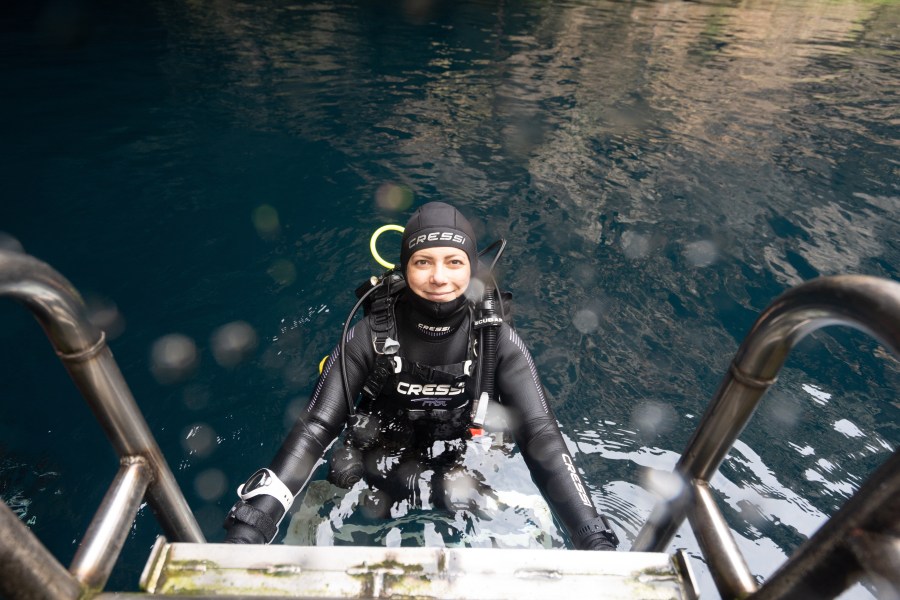
By 2019, after countless hours of research, investigating and connecting with others, I moved to remote western Australia to be closer to the ocean. In 2020, I started a strategic consultancy that focuses on supporting impact businesses. And by 2023, I became a professional scuba diver.
I’m not an ocean expert by any means, but I spend much of my time with people who are. Since that inflection point back in 2017, I’ve dedicated my time to aligning with nonprofits, eco-tourism operators, dive professionals, tourism boards, scientists, researchers and explorers, as well as mission-led for profits, to help share their impact with the world. The outcome of our strategic planning can result in brand-building, defining a go-to-market plan, or creating digital experiences that enable these types of impact businesses to reach the right audiences.
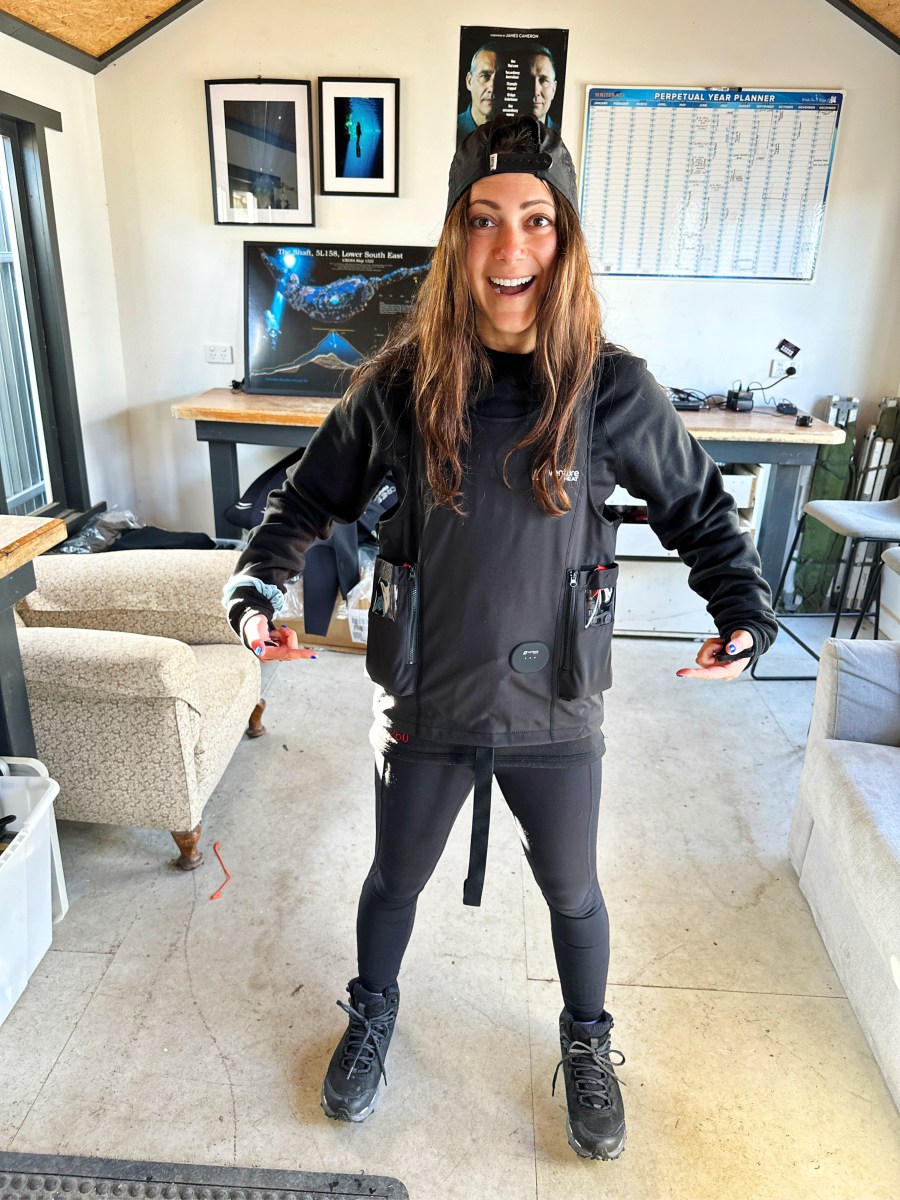
This team of storytellers and content creators are now on a 24-month expedition called “Edges of Earth,” to help those on the frontlines of ocean conservation share their positive progress stories more broadly.
We’re going to 50 of the world’s most remote dive destinations—from the tropics to the Arctic. There, we will share untold stories about the location, marine life, dive sites, but most importantly, the people who have dedicated their lives to the ocean. We are in partnership with some of the leading experts when it comes to conserving, restoring and safeguarding our blue planet.
For example, we just finished a 10-day liveaboard with the Rodney Fox team in South Australia. Rodney Fox, was attacked by a Great White in 1963, surviving one of the world’s worst documented shark attacks. Instead of letting fear take over, he dedicated his life to understanding and studying this apex animal. His son, Andrew, took his place to run the family business—helping people get closer to these majestic sharks and facilitating research in Australia and well beyond. I had a chance to share breakfast, lunch and dinner with Andrew, who is now considered the leading expert and authority on Great White Sharks. It was my first time in the water with Great White sharks. My respect, appreciation and awe only increased, getting to see these animals navigating their natural environment effortlessly. I not only learned to value sharks so much more—I also learned about Andrew’s family history, the importance of shark research and what he is doing every day to give back to the ocean he was fortunate enough to grow up on. Now, our role is to help share the Rodney Fox story across our wide-reaching channels and media platform based on the exceptional experience we had onboard. The aim: help demystify Great Whites. If there’s one thing that I’ve learned in leaving my pre-defined life in New York to go live on the edges of Earth, it’s that there’s no better time than now to connect your work with what you love. So, if you’re thinking about altering your life so you can do the thing you’ve always wanted, my advice to you is this: Have a clear vision of what you want to achieve, while realizing you have to start somewhere. Expecting radical change to happen fast is going to be highly disappointing. Give it time, and take incremental steps to reach achievable goals. Do your research and understand options out there for you. This requires time, patience and a bit of “diverge/converge” thinking. Meaning, lay out all the options and start narrowing down what is most interesting to you. Learn from others who have done something similar already. For all you know, there’s a connection you could make that will be the single reason you’re able to make a critical shift in your life! The power of human connection goes a long way. Don’t be afraid to reach out and ask for support from others. Go live that passion every day. For me, that meant getting in the water and learning to scuba. The more I dove, the more connected I became to the ocean and those who were invested in it. And that started to open more doors than I could have ever imagined. Not much has changed when it comes to my news feeds. I’m still bombarded with planetary doom and gloom stories and an overwhelming amount of negativity. My hope is our expedition will contribute to shifting the narrative so more people can see the positive conservation and restoration wins are happening all around us. Since being on expedition for the last four months, I’ve met so many people around the world who have found their calling. They set a clear vision, did (and continue to do) the work to make it possible, and now are living their passion every single day. This work is not easy, and there’s a lot of hardship and challenge that these people face on a daily basis. But, they have found a level of personal satisfaction when they are able to blend their profession, passion and purpose. To keep up with the Edges of Earth expedition, follow the team on Instagram, LinkedIn, TikTok, Youtube and the website.
Andi Cross
Andi Cross is expedition lead, growth strategist, divemaster and founder of impact consultancy WILDPALM. Recommended


