









When I first went back to work after delivering my preemie twin boys in 2002, my MBA school career counselor told me not to mention to any prospective employers that I was a new mom. He also advised me against negotiating for any schedule that involved “flexibility.”
This was post-9/11 in Washington D.C., and the financial markets were in the tank. Truth be told, I was terrified of “mommy tracking” myself. So, when I started interviewing, as far as the job market was concerned, I was not a mom.
I eventually got a job as a management consultant, and over the next few years, as I attempted to find my working mom tribe, one of my favorite questions to ask was, “where do you hide to take work calls?” Mine was the downstairs bathroom where there was a faulty exhaust fan loud enough to drown out hangry or whiny toddlers.
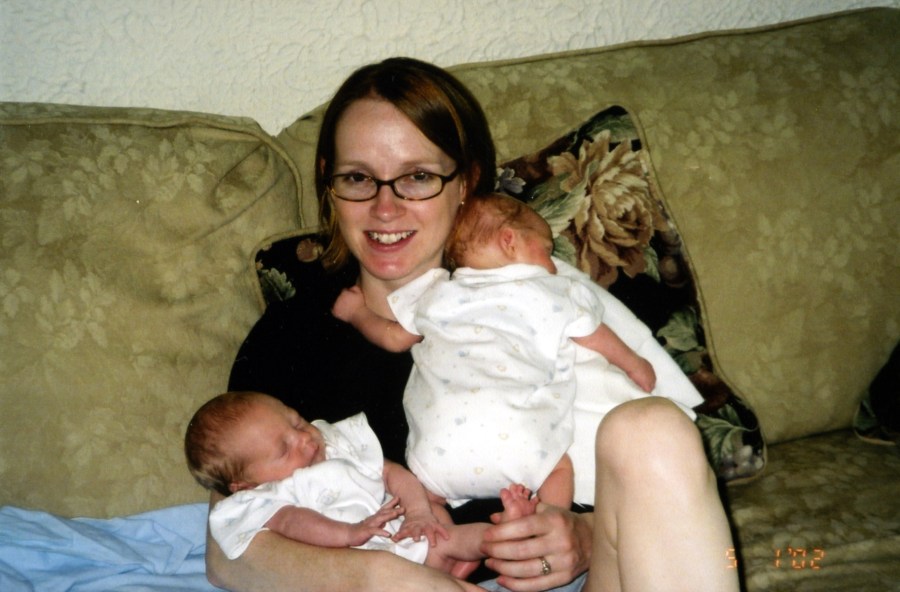
Fast forward to today, and I’m the primary caretaker of three teenagers, in addition to my elderly parents. I’m happy to report that the workplace has increasingly become more accommodating and supportive of working moms.
But the fear (real or perceived) of caregiver bias still exists.
“Stigma is not absent, but organizations have come a long way,” said FleishmanHillard’s Global Chief Talent Officer Lisa Moehlenkamp. “…One of the gifts the pandemic has given us is actually seeing the struggles our employees go through with caregiving, as work comes into their homes every day.”
As it turns out, there are a lot of us. Approximately 73 percent of U.S. employees are caregivers and they spend an average of 24 hours a week on caregiving responsibilities, according to Harvard Business School’s “Survey of U.S. Employees on Caregiving” report. And during the Covid-19 pandemic, often our caregiving responsibilities were live, on Zoom, for our managers, customers, and coworkers to see.
RELATED: Sandwich-generation caregivers — including myself — are not OK.
My colleagues now know my husband, who often delivers breakfast mid-Teams meeting. They’ve also seen my Dad in his pajamas scooting with his walker behind me on camera. As a result of our co-workers having this new window into our world, it has allowed many of us to create more meaningful work relationships.
How Covid-19 created a tipping point
During the throes of the pandemic, everyone was caregiving more than normal, not just moms. The emotional labor and silent workload, which women often carried, was shared widely by dads, sitters and older siblings too.
As a result, some employers have also added more resources for their employees who are caregivers, like corporate memberships to services like Care.com and Cariloop, a company that helps assign coaches to caregivers to help them with all sorts of caregiving tasks. For example, I recently had the company do background research on assisted living facilities and asked for some guidance on how to “senior proof” my parents home.
According to Adin Bailey, Cariloop’s vice president of people, employers are beginning to understand that “It has to be OK to have a conversation at work about what’s going on in someone’s life. Your life doesn’t stop when you log on to work or walk in the office.”

Let’s not go back to normal, because normal wasn’t working
One of the early consequences of the pandemic was the “she-cession,” in which the vast majority of jobs lost were to women, either due to shuttered industries like hospitality, or because women had greater caregiving responsibilities due to daycare and school closures.
But now, as we emerge from the pandemic, and as the economy continues to boom and the labor market continues to tighten , employees may be in a better position to demand more from their employers. Yes inflation is high and the housing market is on fire, but due to new jobs added and the great resignation, employees may now be in a better position to negotiate for support like raises or bonuses to help pay for caregiving, additional workplace flexibility, and more resources to directly support caregivers.
“Employers need to get this right, because staff will no longer tolerate a non-supportive environment, because they don’t have to,” said Lisa Thorner, Procter & Gamble’s North America employee relations leader. “… I’m not sure the moment will be as raw as it is right now. Work is humanized, we see each other’s homes and family members. Employers are awakened by what’s happened in the last two years. Let’s not go back to normal, because normal wasn’t working,” she added.
Demanding our new normal
While Thorner’s call to action inspired me, I must admit that sandwich generation caregiving these last two years has left me exhausted. Raising three teenage boys, coupled with taking care of elderly parents who require significant help, and maintaining a demanding leadership role at a global consulting firm, has left me at a crossroads. I have asked myself many times: “Do I have it in me to help shape this new normal in which caregiving bias doesn’t exist and caregivers like me are better supported in the workplace?”
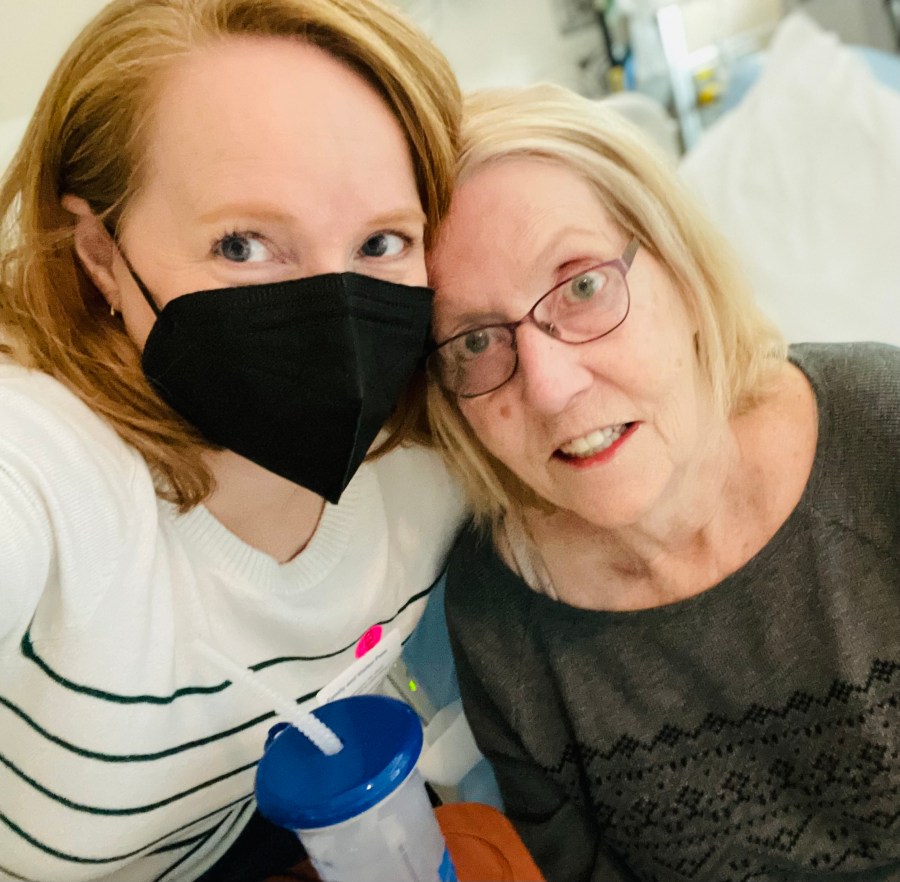
For two decades I’ve been juggling caregiving with my career. I’ve led by example, I’ve pushed for more family-friendly benefits, and mentored other parents and caregivers. I cannot imagine a more supportive manager or organization than I have now. But at the end of the day, the work still has to get done, no matter how much I’m pulled away for what my family needs. Should I ask for a shifting of some of my workload? Ask colleagues to cover some of my meetings? Or – gasp – just outright decline meeting invitations?
But I know that a supportive workplace for caregivers is doable, and that it matters. If the last two years have taught us anything, it is that life is precious and all we can do is take care of one another.
I went back to the experts for advice on what we can all do to create a better normal for caregivers. Here’s what they told me:
1. It starts with a conversation. Train managers to “peel back the onion layers” behind the question “how are you?” says FleishmanHillard’s Moehlenkamp. “We can’t intervene, realign work, or run interference with a customer if we don’t know there’s a problem.” One of the most helpful things my manager at ICF told me during our weekly check in was “I know you are spending a tremendous amount of time with your parents, and you haven’t missed a beat. I want you to know that it’s more than OK to miss a beat. Or two. Take the time you need.” 2. Know what resources are available to you. As I work through sandwich generation caregiving, I have benefited from my company’s resources, like a discount offering to Care.com, where I found “Saint David,” our nickname for my parents’ daytime caregiver and de facto house manager. Services like Cariloop, which provide expert case managers and coaches, take that a step further. But utilization of these resources are low; so ask your Human Resources department and manager what resources might be available to you. There’s probably more out there than you think. 3. Adjust policies for modern work. It’s time to put a fork in the Employee Handbook and start over. Policies, big and small, need to reflect the modern workplace. Could that business trip have been a Zoom? Could that conference call meeting have been an email? Can due dates be more flexible to account for caregiving support on evenings and weekends? My employer recently implemented “meeting free Fridays” to provide additional flexibility, which has helped me on the caregiving front by giving me a reliable day of the week to get to my parents’ many medical appointments without missing key meetings. It also gives me a solid block of time to plan the next week and to do more intense thought work. Don’t be afraid to ask for what you need. 4. Be creative with solutions. As I think through the new normal, I’m particularly sensitive to solutions being demanded by and created for salaried workers in upper-level tax brackets. Caregiving occurs at every life stage and for all walks of life. How can the new normal better support hourly workers traditionally left out of this conversation? “It starts from a position of trust and a conversation with a manager,” said Moehlenkamp. There are things we can do, like going part time for a short while, or shifting some work responsibilities so that the work day isn’t so demanding so they have something left in the tank when they get home. The big deal is managers having visibility, awareness and training to provide that support.” 5. Be vulnerable. “Having brave and open conversations is what ultimately removes the stigma,” said Bailey. “Employees should feel empowered to do so, but the majority of the ownership in creating that environment where they do feel empowered to bring up their needs and wants begins with the employer.” If you are in a position to share your struggle, to be open and honest with your colleagues about what is happening in your non-work life, you are part of the bias-beating movement. “No matter what we do, the time is now,” Thorner said. ”We need to get a new normal established now, not when the talent market isn’t like it is today. If not now, then never.” Jennifer Folsom is vice president of growth at ICF Next. She lives in Alexandria, Virginia, with her husband Ben and has three teenage sons. Her practical guide to modern working motherhood,” The Ringmaster,” is out now.
Jennifer Folsom Recommended


