The pickup truck will probably be the first thing to go.
It’s the first new car that Jeremy Botta has ever bought, using his savings from working for more than 14 years at the same auto repair shop. “I bent over backwards—I worked almost a 100 hours a week on my salary to turn that store around,” said Botta, 37, who was laid off in April after the shop changed owners.
Unemployment insurance has allowed Botta to keep up with his car and mortgage payments. But on Dec. 28, he became one of the 1.3 million unemployed Americans to lose their emergency federal benefits when Congress declined to extend the program.
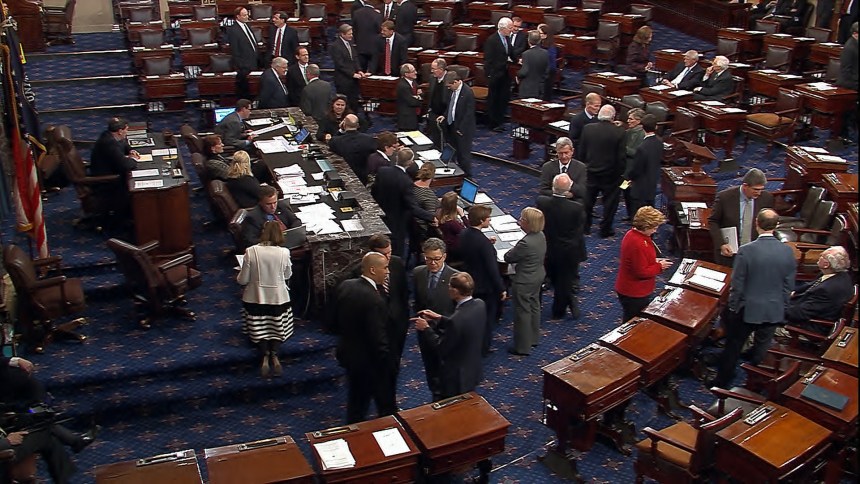
Democrats and a few Republicans have vowed to revisit the issue when the Senate returns on Monday with a vote scheduled for a three-month extension. President Obama will also urge a benefit extension this week.
In the meantime, unemployed workers like Botta are already making contingency plans to get by without the jobless aid. And economists warn that the loss of aid will discourage some to stop looking for work altogether.
“If it comes down to it, I’ll have to sell the house,” says Botta, who bought the place in Bend, Ore., just months before he suddenly lost his job, which netted him as much as $60,000 in a good year. Having already raided his retirement savings, Botta thinks he’ll need to take three or four part-time jobs, working 60 to 70 hours a week just to get by without the unemployment checks.
“I don’t know how people make it on minimum wage,” says Botta. Having applied for nearly 100 jobs without luck—including cashier’s positions at Home Depot and Lowe’s—Botta expects he’ll be pumping gas if he’s lucky.
For many Republicans, that’s precisely the point: They believe jobless benefits are discouraging the unemployed from looking for work, so the end of aid is what the jobless need to push them out the door and into the workforce.
Democrats point out that there are far more jobseekers than jobs of any kind, and without the federal aid, only one in four unemployed workers will be receiving any kind of help—the lowest proportion in decades. And even the most unskilled, menial work might not be available.
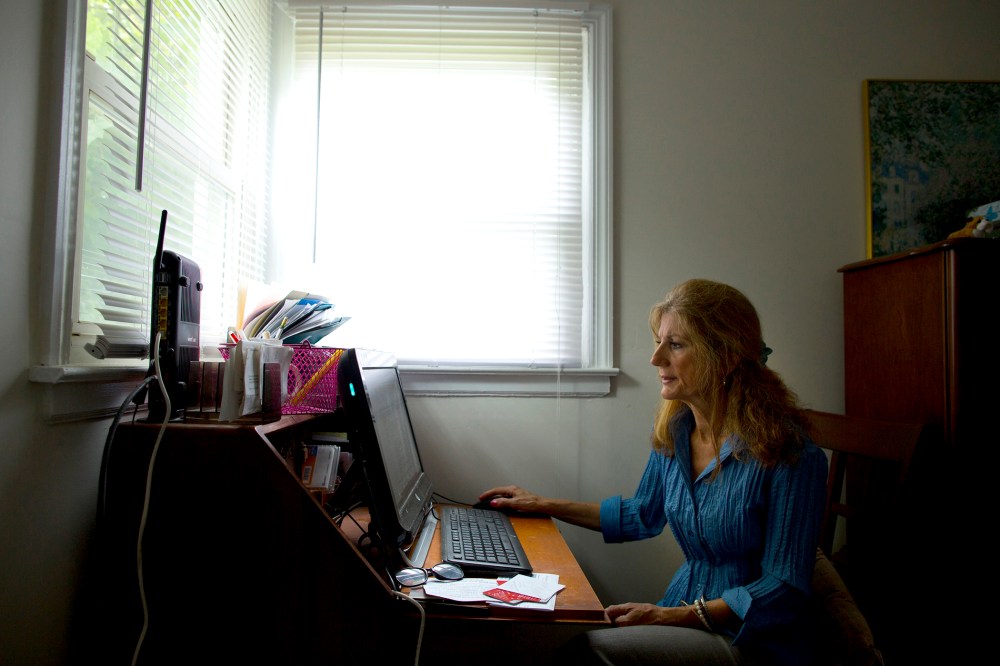
Sandra Eichler of Wilmington, Del., feels lucky that she was able to work a couple of weeks doing retail sales at a department store. She was laid off from a $70,000 a year job as a credit analysis and customer service specialist at a major bank in May—the first time she was unemployed in 25 years.
But even during the holiday rush, the store was scaling back hours as sales proved disappointing. And Eichler, who has a Bachelor’s in finance, isn’t even sure whether she can get another retail job. “A lot of the responses you get back, they say you’re too qualified,” says Eichler, who’s applied to thousands of jobs over the best few months. “I’ve tried to dumb down my resume.”
Economists say it could become even harder for skilled workers to get back on the right track. “It may benefit people to be kept on a life line longer, so they can find a job that matches their skills. If they’re flipping burgers and have a college degree, it may hurt their chances of ever getting another college[-level] job,” says Michael Feroli, chief U.S. economist at JPMorgan Chase.
But even more worrisome is the growing number of Americans who’ve stopped looking for work altogether. That would actually lower the unemployment rate, but largely because fewer people are participating in the labor force, says Feroli. He points out that in North Carolina, which decided to end federal benefits altogether in July, the labor force participation rate has declined 0.7% over the past five months, while the national rate dropped by only 0.4%. If that trend continues nationwide, it could have serious consequences for the entire economy in the long-run, as there will be fewer workers whose income taxes fund basic social services and more resorting to Social Security Disability Insurance and other long-term entitlements in the absence of short-term aid. “Once people drop out and stop looking for work, it’s very tough for them to get back,” Harvard economist Lawrence Katz said on a press call organized by House Democrats. “They’re no longer connected with the workforce and the identify of worker.” JP Morgan estimates that expiration of jobless aid will slow overall economic growth by about 0.2 to 0.4% in 2014, as that money tends to be spent immediately by recipients. House Speaker John Boehner previously said that he’d be willing to consider an extension if it’s paid for. (A year-long extension would cost about $25 billion.) House Leader Eric Cantor, however, has not included unemployment insurance in the legislative agenda for January. Eichler says that she still isn’t giving up hope that Congress will pass an extension—or that she’ll find a decent full-time job. She still wakes up at 6 a.m. every morning to do her make-up and put on her office clothes before sitting down to scour job postings. But she admits the last few weeks haven’t been easy. Not long before Christmas, Eichler landed in the hospital for emergency surgery. The nurse there asked her whether she was looking forward to going home for the holidays. “All I could think about is ‘No, I’m afraid to look through my mailbox,’” Eichler says. The bills would be waiting for her there.
Suzy Khimm Recommended