








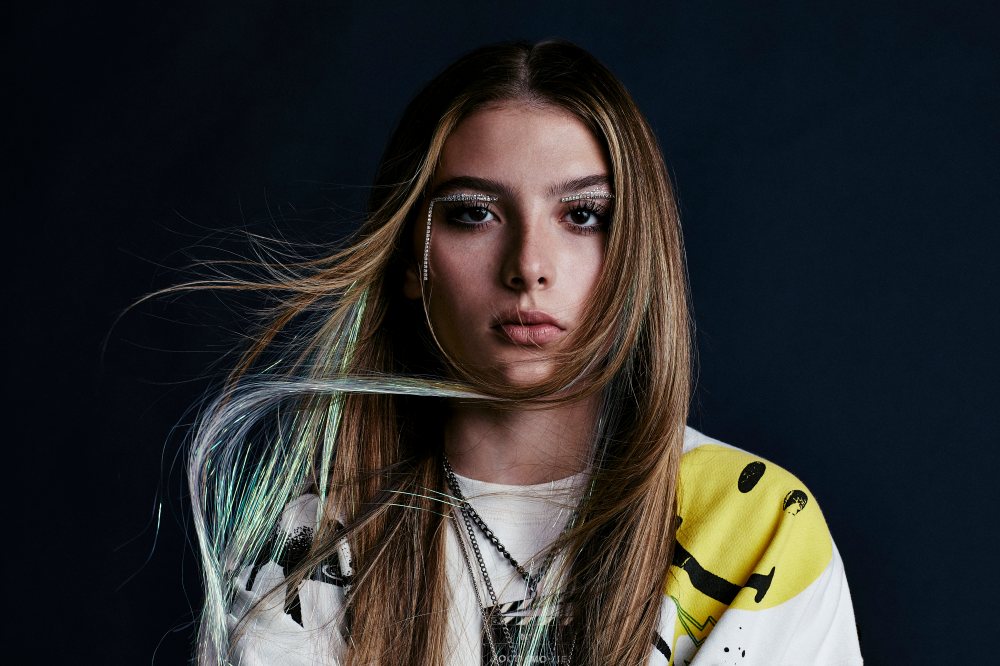
Most people would never want to relive the bullying they endured as teenagers.
But Los Angeles-based singer-song writer Grace Gaustad is doing just that in hopes that she can help others who may be struggling.
Gaustad, 19, recently recreated the traumatic episode of high school bullying for her video “Creature,” from her debut album “BLKBX: wht r u hding.” The shoot was so upsetting for her mother to watch that she had to leave the set.
In high school, two bullies pushed Gaustad up against a locker and insulted her looks and sexuality. “They used every name in the book,” Gaustad recounted. “The amount of self-hatred I felt in that moment was an experience like no other. I hope no one has to experience that again.”
Though the bullies in the video were portrayed by Gaustad’s real-life girlfriend and best friend, it was still “triggering” for her to recreate the scene. But Gaustad, who has openly struggled with anxiety and depression, wanted to share her experience in hopes it could help others.
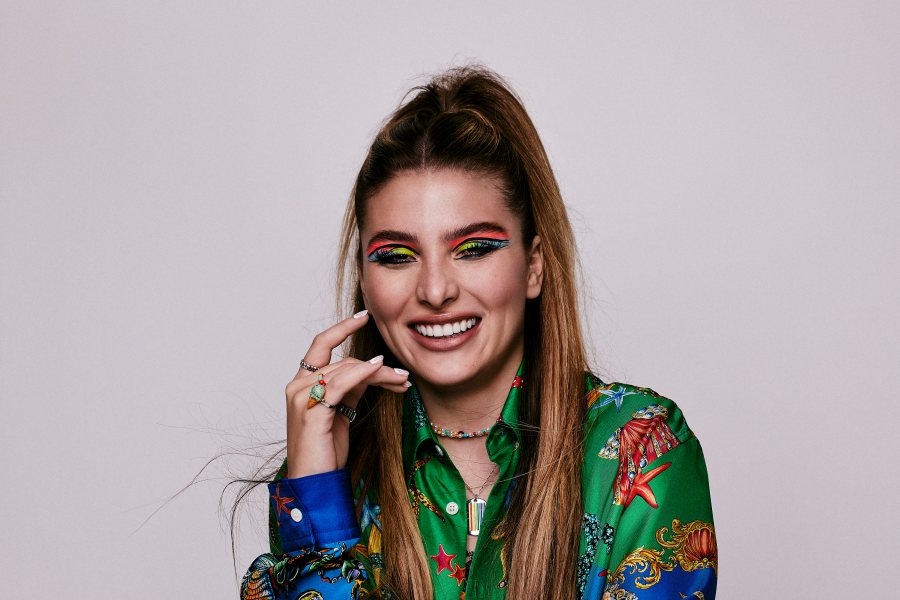
She’s also using her platform to build awareness about the importance of mental health and break down the stigma of seeking treatment. Gaustad also helped create the BLKBX PROJECT, a safe place for teens to access resources and support. “I didn’t want to just put out an album,” she said. “I wanted to create positive change.”
Nearly 75 percent of young adults surveyed by the Centers for Disease Control and Prevention said they experienced a mental health issue due to the pandemic. To commemorate World Mental Health Day on October 10, Gaustad contributed to Sound Mind’s “Unmasked” video portrait series to talk about her own mental health journey. On the same day, she is also releasing a short film executive produced by Law and Order’s Mariska Hargitay, which highlights her mental health journey.
Know Your Value chatted with Gaustad about how she is combining music and mental health to encourage people of all ages to take care of their own well-being.
Anxiety from an early age
“I’ve had anxiety since I started kindergarten, almost as far back as my memory goes,” said Gaustad. Though she was very outgoing in her home in Phoenix, Arizona, she “shut down” in social settings. Her mother picked up on Gaustad’s struggle and was able to find help for her. Gaustad has been in and out of therapy ever since.
Once Gaustad entered puberty, she began struggling with body dysmorphia: “I was having a hard time accepting in my own brain that I wasn’t going to look like the little girl I knew so well. I didn’t want to acknowledge growing up or the changes still to come.” She said that the end of middle school and beginning of high school were “incredibly challenging” and her bouts of depression began. “That’s the thing I struggle with the most to this day,” she said.

Gaustad attended an all-girls high school in New York City with less than 30 students in her grade. She came out as bisexual in ninth grade, at a time when there were only two or three other students in school who were out—and they were seniors. Acne, weight fluctuations and her learning disability all had the potential to trigger Gaustad, and “once you add bullying to the mix, mostly surrounding my sexuality, you get a perfect storm,” she said.
Comments about her sexuality hit the hardest. She said, “It’s easy for people to pick on anyone who is slightly different or who sticks out like I did. When you call someone fat and ugly, those titles can feel temporary, but sexuality was part of my identity and true to me. That felt harder than when classmates attacked something superficial.”
Gaustad said, “In some really dark moments, the most beautiful art comes; other times depression is so severe that I can’t create. I don’t want to even leave the room.” Growing up in a musical household, Gaustad was “serious about music from the beginning.” She started piano lessons when she was 5, was writing songs by the time she was 6 and she started recording her songs at age 9. She worked on her music for five or six hours after school and said she enjoyed it so much that it never felt like work. Her moody, melodic cover of Hozier’s “Take Me to Church” raised her public image in 2018. As her love for music grew, however, so did her anxiety and depression. Gaustad said, “Creating music while you’re struggling doesn’t come out the way you plan. It’s harder to be invested and I prefer to create in a happier headspace. But when I’m in that better headspace, I thrive on looking back on struggles and bringing them back into the present day. I draw inspiration from that.” Gaustad wants to inspire others and remind them that there is a whole world outside of high school. She said, “That’s just one temporary chapter of your life. It shouldn’t be your defining moment, it should be place to make mistakes so you’re ready for the world…” Her biggest cheerleader, her mother, told her, “You only need one friend.” That advice left a big impression on Gaustad. “You just need that one person to help you struggle through the madness. It’s easier to struggle with someone else than to struggle alone.” Gaustad cited March, April and May of 2020 as the three hardest months of her life. Personal, professional and pandemic-related panic converged to trigger the longest bout with depression Gaustad had endured: “I didn’t create once during those months. I didn’t want to write, didn’t want to play piano…I almost felt frozen.” One of the most important things that got Gaustad through her dark times was her mother: “The best thing my mom did was to always be there for me. She’s my rock. Some parents feel like they need to be a hero, but the most meaningful thing she did was just be there to listen to me talk and rant and cry and struggle,” she recounted. Through campaigns like BLKBX PROJECT and Unmasked, Gaustad hopes to provide that same sense of acceptance and security for other teens who are struggling. She said, “I want my work to say that for anyone who ever felt different, you’re safe here. Other artists and musicians gave me a place to cry and be vulnerable and figure out how to love myself again. Now I’m passing the torch.”
Rosie Colosi, TODAY
Rosie Colosi is a reporter for TODAY Parents. Recommended


Finding solace through music
