









As a Republican presidential candidate, Donald Trump went to unusual lengths to express his comfort with violence. Indeed, as House impeachment managers were eager to remind senators today, the Republican at times seemed to encourage violence toward protesters before he became president, and echoed the rhetoric while in office.
But what’s easy to forget is that Trump’s GOP rivals in the 2016 race recognized the dangers posed by his style of politics. The Washington Post‘s Dave Weigel flagged an amazing clip from Sen. Marco Rubio (R-Fla.) — one of the future president’s leading rivals — who was visibly gobsmacked after an incident in which there was violence at a Trump rally, which the future president made no effort to denounce.
“The great thing about our republic is that we settle our difference in this country at the ballot box, not with guns or bayonets or violence. And you wonder whether we’re headed in a different direction today…. Forget about the election for a moment; there’s a broader issue in our political culture in this country. This is what happens when a leading presidential candidate goes around feeding into a narrative of anger and bitterness and frustration…. I think the question is what this means for the future of America, not just the Republican Party.”
Rubio added at the time that Trump was pushing the political system toward a “boiling point” and ripping the country “apart at the seams.”
The comments came the same week that Trump warned of “riots” if he were denied the Republican presidential nomination.
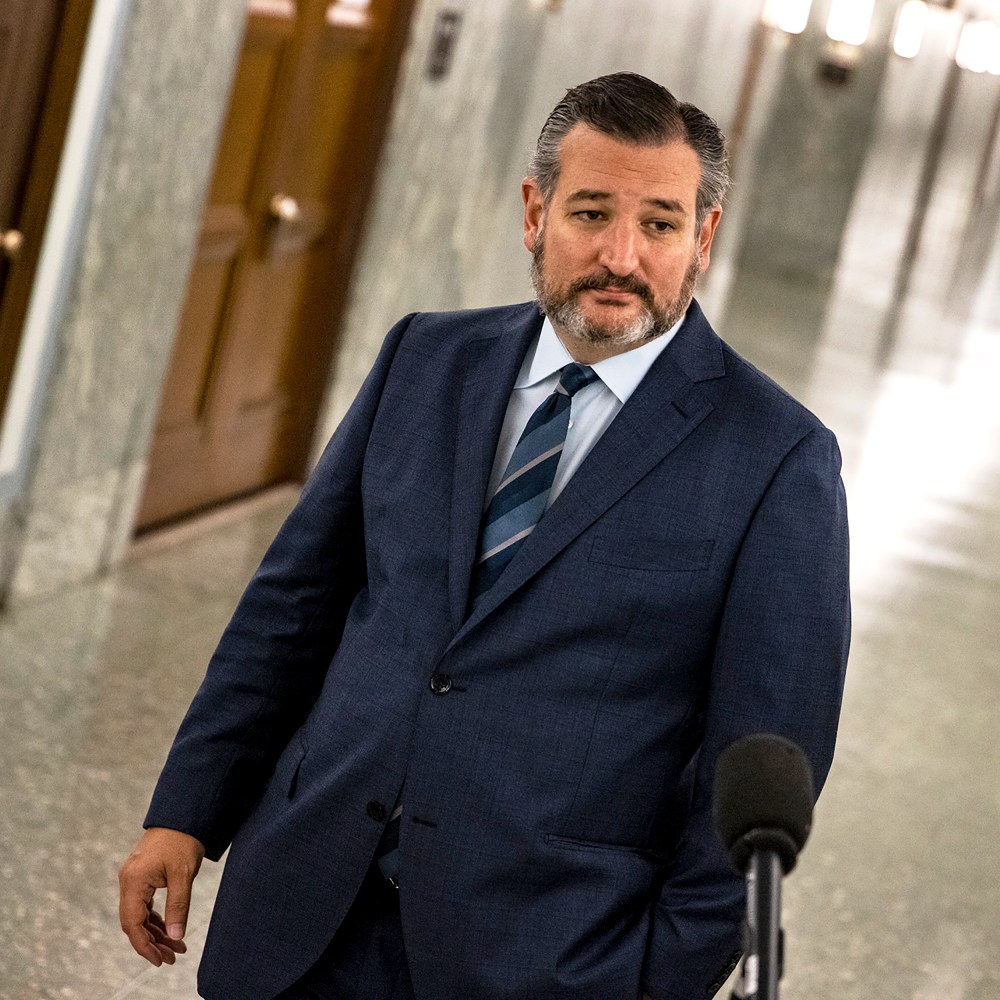
Exactly one month later, Sen. Ted Cruz (R-Texas), another top contender for the GOP nomination in 2016, raised the same concern about the ease with which Trump embraced violent tactics.
“Donald needs to stop threatening the voters. He needs to stop threatening the delegates. He is not a mobster,” Cruz told Glenn Beck during a radio interview…. “Donald Trump now has a consistent pattern of inciting violence,” Cruz said.
Donald Trump now has a consistent pattern of inciting violence.
NBC News’ Benjy Sarlin added this morning, “Cruz was clear-eyed in 2016 that Trump could use the threat of violence by supporters to try and overturn an election, in this case a party one. He also criticized him for inciting rally violence earlier.” Five years ago, prominent Republican leaders knew. They saw Trump’s willingness to embrace violence; they called out his tactics; and they recognized the ease with which he connected violence and his desire for political power. These Republicans even warned the public, urging voters to understand the consequences of rewarding such a political approach. At times, they practically seemed to be predicting developments like those the world saw on Jan. 6. Five years later, Trump dispatched an insurrectionist mob to launch a deadly attack on the U.S. Capitol. Rubio and Cruz, both of whom voted with Trump about 90% of the time during his failed presidency, are now hearing evidence documenting the former president’s role in inciting the violence. They’re expected to vote to acquit anyway.
Steve Benen is a producer for "The Rachel Maddow Show," the editor of MaddowBlog and an MS NOW political contributor. He's also the bestselling author of "Ministry of Truth: Democracy, Reality, and the Republicans' War on the Recent Past."
Latest Post
Recommended


