









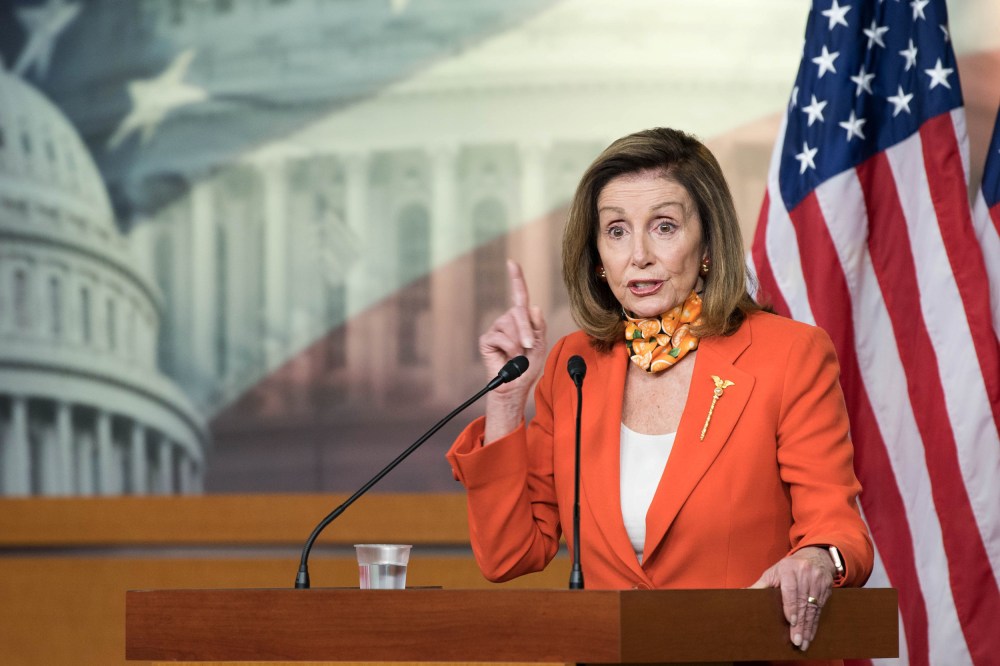

NBC News reported early this morning that Democrats are projected to maintain control of the U.S. House of Representatives, but the party’s “winning fewer House seats than they had hoped.” The Washington Post had a similar report along the same lines.
Speaker Nancy Pelosi (D-Calif.) and House Democrats appeared on track Tuesday to secure another two years in the majority. But as votes were being tallied late into the night, the party looked set to fall drastically short of its bullish predictions that it would cut deep into Trump country to grow its majority. Rather, several Democratic incumbents the party believed were secure found themselves suddenly out of a job. And GOP districts that Democratic leaders had been eyeing for months landed solidly in Republican control.
Plenty of political forecasters expected to see Democrats expand their majority, perhaps considerably. Though votes are still being tallied, and there’s no shortage of competitive contests which have not yet been called, that now appears unlikely.
As a practical and procedural matter, it’s probably fair to say the significance of this is limited. There is no House filibuster, for example, and the House Speaker is adept at managing both the floor and her conference. Pelosi will likely still be able to pass the bills she wants to pass.
A smaller Democratic majority will likely give greater leverage to key Democratic factions, and if Republicans maintain their Senate majority, prospects for major legislative breakthroughs will be limited, regardless of the size of the House Democratic conference.
Still, House Dems went into Election Day 2020 with the variables they wanted — a financial advantage, recruiting successes, a comfortable lead on the generic ballot, etc. — but head into 2021 without the victories they expected to see. Donald Trump’s recent prediction that Republicans would reclaim the House majority was difficult to take seriously. That doesn’t mean Democrats in the chamber are celebrating this year’s results.
Steve Benen is a producer for "The Rachel Maddow Show," the editor of MaddowBlog and an MS NOW political contributor. He's also the bestselling author of "Ministry of Truth: Democracy, Reality, and the Republicans' War on the Recent Past."
Latest Post
Recommended


