








Black and Hispanic women around the country are fighting a silent battle of anxiety, stress, isolation and depression.
The coronavirus pandemic is disproportionately affecting the Black community, with 31 percent of Blacks personally knowing someone who had died of COVID-19, compared to 9 percent of white people, according to a poll conducted by the Washington Post. Meanwhile, Black women are nearly twice as likely as white men to have been laid off, furloughed or had their hours or pay reduced because of the pandemic, according to a study by the Economic Policy Institute. They are also more likely than white workers to work outside the home as an essential worker. Couple this with the #BlackLivesMatter movement that’s casting a glaring spotlight on racial injustice across the country, and we’ve got a recipe for a mental health crisis.
RELATED: Does the race of your therapist matter?
Hispanics are also being hit particularly hard by coronavirus. They are about three times more likely than whites to test positive for the virus, are more economically vulnerable and face more challenges when accessing care, according to a report by McKinsey & Company. Furthermore, one in five deaths among Hispanics is now caused by coronavirus, suggests The Washington Post’s analysis of data from the Center for Disease Control and Prevention. In another survey by the Commonwealth Fund, more than half of Latinos have struggled financially during the pandemic, were unable to pay for basic necessities or used up all their savings or had to borrow money. All of this is taking a big impact on mental health, with Hispanics reporting stress, anxiety and great sadness at higher rates during the pandemic –at about 40 percent, compared to 29 percent of white people, according to Commonwealth Fund.

Recently, former first lady Michelle Obama admitted to having “low-grade depression” due to the pandemic and racial tensions around the nation—and she’s certainly not alone. According to Essence magazine’s recent online survey of 1,000 Black women, some 63 percent of respondents said the pandemic has affected their mental health. That said, the gap between Black and Hispanic women and their access to adequate mental health care only seems to be widening.
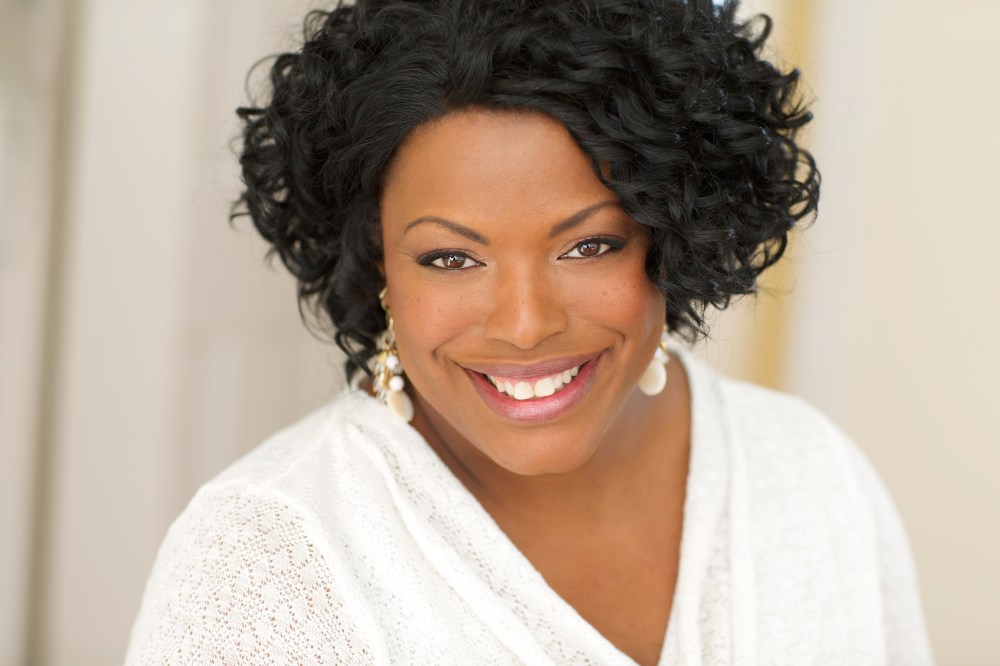
“We are in the middle of a trifecta of stress overload from COVID-19, racial injustice and uncertainty, and this places a spotlight on the most pressing issues for Black and Hispanic women,” said Sheila Robinson-Kiss, founder and CEO of Rebalancing America and Beyond, a national platform focused on health and wellness education. “It’s so clear to so many that we are devalued, particularly in the healthcare marketplace,” she added.
Indeed, America’s mental health care sector is falling short in positively impacting the lives of Black and Hispanic women. For starters, systemic racism—or the systems in place that maintain racial inequality—is weighing on the mental health care sector. The messaging around self-care that Black and Hispanic women face on a daily basis is an example of this, Robinson-Kiss explained.While this is improving, the country still has a long way to go. Healthcare disparities portrayed in the media, for example, transfer over to how Black and Hispanic women feel about themselves in terms of their mental health and whether they are energized and motivated enough to seek the mental health care they deserve.
“Black women often aren’t engaged enough with their mental health care to access mental health services the way a white woman would, viewing it more as a luxury than something they truly need,” Robinson-Kiss said.
In addition, there are simply not enough Black and Hispanic health care providers, which creates a barrier for women seeking a provider with a similar upbringing and a similar perspective. There’s an inherent distrust in the country’s health care and mental health care systems, along with obstacles such as a lack of adequate health insurance coverage. “The most profound and tragic irony of all is, so many of the women who work on the front lines to ensure that America stands healthy and whole are denied full access to the mental health resources they need to stand ‘whole’ and thrive,” Robinson-Kiss said.
It’s more important than ever for Black and Hispanic women to set out on a journey toward better mental health care. Here are five things you can do today that could help make for a better tomorrow.
1. Make mental health care a priority
“It’s time to get very real about the size and magnitude of this issue,” Robinson-Kiss said. “I encourage Black and Hispanic women to not only take control of their mindset around health care and self-help, but to take a front seat in administering self-help and mental health models,” she said. “If you are not well, nothing is going to be well,” she said. “I use that as a springboard to encourage women to start creating a life resiliency plan with very practical things you can do to maintain your mental health.”
From thinking outside the box with peer to peer healing circles and moving out of isolation to making an effort to schedule time for mental health care, every little step will bring you closer to a healthier mental and emotional state. If it’s still not a priority, Robinson-Kiss suggesting pulling your family, children or work into it. “If you don’t take care of yourself, then those things are also in jeopardy,” she said. “If you’re not well, the party can’t keep going.” Many women take on the role of therapist or trusted confidant among their family members or friends. However, they also hold the power to uplift their own spirits as well. Robinson-Kiss recommends recording a few inspirational messages to yourself just like you’d share with a friend. “Record these five to 10-minute messages on your smartphone and listen to them every day or every other day,” she said. Build a self-help catalog of messages that you can go to whenever you need a pick-me-up or some extra motivation. “Women can see a huge boost in their happiness and mental health just by putting a few little things on their calendar that they can look forward to,” Robinson-Kiss said. Block off an afternoon to go apple picking or pencil in an upcoming yoga class—and then keep that calendar in a spot where you can see it and remember what you have to look forward to. “Black and Hispanic women thrive on connecting with other women,” Robinson-Kiss said. “Even if you can do it once or twice a month, get on a friend’s radar where you can enjoy that Zoom or a walk together.” She encourages women to “find their people,” and this doesn’t necessarily mean you have to be great friends. “Find someone you’re cool with and can share a few laughs with,” she said. By building a network of people around you to support higher levels of mental health, you’ll benefit greatly. “We all need to be supported,” she said. “If you wait for anyone other than you to assign your value, you’re going to be in pretty bad shape and you’re going to be waiting a very long time,” Robinson-Kiss said. She explained that it’s so important to physically get up and look in the mirror every day and condition yourself and recondition yourself to say, “I have value. I have a right to be here. I have a place here, and I am worth it. I am worthy of taking care of my mental health.” “Knowing your value is the guard rail that ensures you keep your mental and physical health on track,” Robinson-Kiss added.
Renee Morad Recommended


2. Create inspirational messages for yourself
3. Schedule little things to look forward to
4. Connect with peers
5. Know your value
