Raising the federal minimum wage to $10.10 an hour could help to lift nearly 5 million Americans out of poverty, according to a new study released this week.
University of Massachusetts-Amherst economist Arindrajit Dube found that proposals to raise the minimum wage from $7.25 to $10.10 would reduce the number of non-elderly living in poverty by around 4.6 million in the short term, and that nearly 7 million would be lifted from poverty over the long term.
“Overall, there is robust evidence that minimum wage increases lead to moderate increases in incomes at the lower tail of the family income distribution,” Dube said in his report.
The study further finds that the poverty rate — which rose by 3.4% during the Great Recession, and has not significantly dropped — could be cut in half if Congress passed a $10.10 minimum wage law. He estimates that an average family in the bottom 10% of earners in the United States would see an extra of $1,700 of income a year.
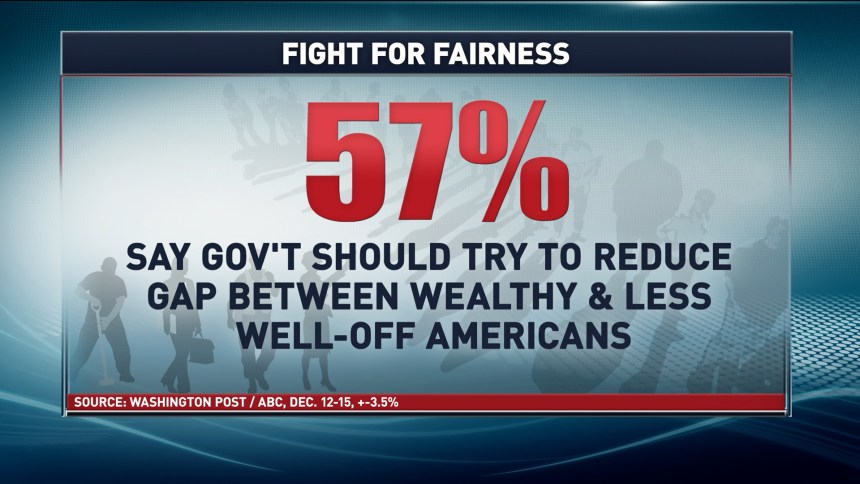
Dube also notes in his findings that the proposal goes beyond helping to decrease poverty in America, by addressing fairness and shrinking wage inequality in general.
Shortly after winning re-election, President Obama first proposed raising the minimum wage to $9 during his State of the Union address in February. Shortly thereafter Democratic Sen. Tom Harkin and Rep. George Miller introduced an even more ambitious plan to raise the wage to $10.10 (the proposal reviewed in the study.) The White House indicated in November that Obama would support that increase to $10.10, and Obama’s newly selected Labor Secretary, Tom Perez, said shortly thereafter that he would make a minimum wage hike a number one priority.
But most Republicans oppose the minimum wage hike, and House Speaker John Boehner quickly shot down Obama’s proposed $9 hike last year. “At a time when the American people are still asking the question ‘Where are the jobs?’ Why would we want to make it harder for small employers to hire people?” he said in February. While the logic may seem sound, prior research conducted by Dube and others shows that minimum wage increases don’t have a bad impact on job prospects. A 2011 study of “the effects of minimum wages on earnings and employment” in low-wage sectors specifically found “no adverse employment effects.” Whether studies like this can sway Republicans in Washington, minimum wage may prove to be a politically popular issue for Democrats. A Gallup poll released in November found more than three quarters of Americans support raising the minimum wage to Obama’s proposed $9, and that the support increased by 5-points from when Obama initially made his pitch for the hike.
Morgan Whitaker Recommended