








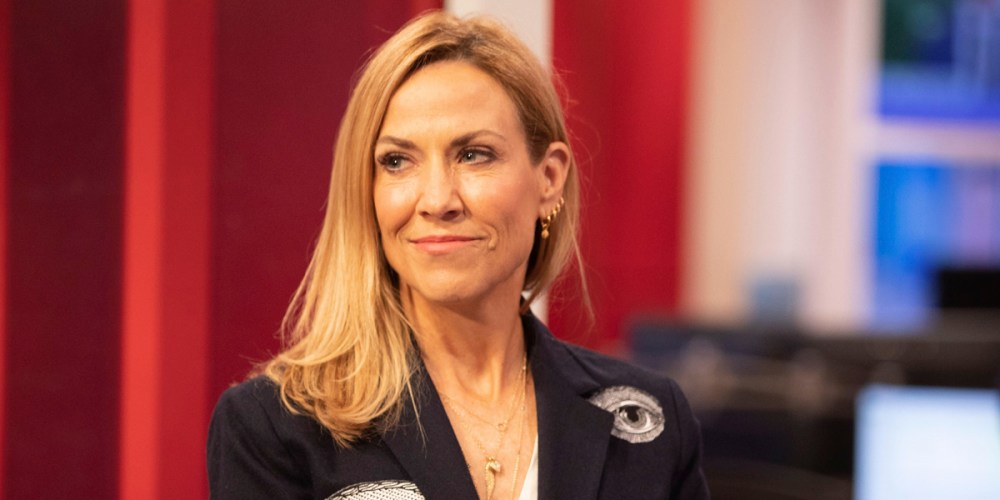
Sheryl Crow used to write her songs at night, starting around dinner time and continuing past midnight while sipping a few glasses of wine. The times, however, have changed. Now, the Grammy Award winner is churning out hits while her two pre-teen sons are in school.
“I make my records between school drop-off and school pick-up now,” Crow told “Morning Joe” co-host and Know Your Value found Mika Brzezinski. “And I think they’re as good and as inspired as anything I would have written at two in the morning.”

It’s a lifestyle change that Crow, 57, has embraced with age. And while she’s faced down her share of challenges, including being diagnosed with breast cancer more than a decade ago, she agreed that overcoming adversity has helped her make better art. It also helped her reframe her life.
“I’ve been through a lot, and part of what happens when you get older is, you stop sweating the small stuff,” Crow said. “I think you really do hone in on what’s important.”

Now the singer-songwriter is out with her eleventh studio album, “Threads,” a showcase of Crow’s rock, country, and pop roots. The album’s tracks feature many music legends including Keith Richards, Stevie Nicks, Eric Clapton, James Taylor, Bonnie Raitt and Sting. The album — which Crow has said is her last — is hitting the shelves 25 years after her first smash hit single “All I Wanna Do” took over the airwaves.
One thing that’s kept Crow grounded over her quarter-century of superstardom is meditation. She told Brzezinski that she has been meditating for the last 26 years as a means of self-care.
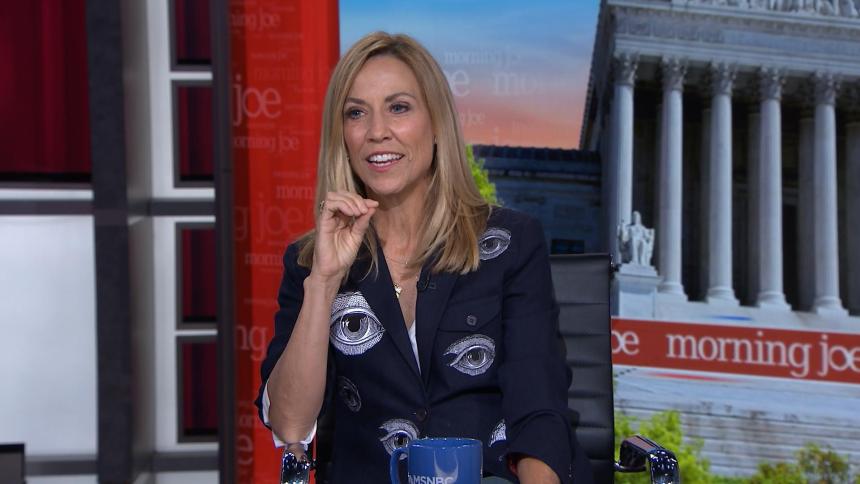
“It’s a lifeline for me,” Crow said. Over the last 15 years, she’s taken special care to put time and practice into meditation. As her two sons near their teenage years, Crow said they’re in a prime position to learn from her experience.
“It is something that for me is important to model to my kids, ‘cause there’s so much energy out there, there’s so much information constantly coming at all of us that’s telling us about who we are and who we aren’t and what’s good about us and what’s not good about us,” Crow said. All of those influences can be hard on young people, Crow said, because they haven’t yet had the life experiences to be secure in knowing who they are.
“It is a real practice to try to quiet the brain because I think command central is constantly giving us misinformation,” Crow said. “One of the good things I always tell my kids is about when they can’t quiet their minds, is just to say … ‘show me what my soul wants.’” While Crow is celebrating the release of her own album, she’s also cheering the debut album of The Highwomen, a collaboration from powerhouse women country singers Brandi Carlile, Natalie Hemby, Maren Morris and Amanda Shires. Their self-titled album came out in the beginning of September. Critics praised their sound as well as their call for solidarity among women in music. It’s a cause Crow — who joins the group on their track “Heaven Is A Honky Tonk” — has championed throughout her career. “These women… they have a power to be reckoned with,” Crow said. “They’re incredible singer-songwriters in their own right and I think they’re really pushing for this idea that women don’t have to stand around and wait for the powers that be to make the decisions about where their records should be played, who should produce them, what they should wear, how they should look.” Through her own advocacy, Crow is pushing for more women to realize their value as singers, songwriters, and producers. She’s working with Citibank on an initiative called “See Her, Hear Her”, which works to elevate women artists. “We’re all… kind of springing out of the Me Too moment,” Crow said,” But for me, [I’m] springing out of 10 years of being here — of trying to get women in those positions where they’re producing themselves they’re engineers, they’re agents, they’re running record labels.” As an industry with chronic under-representation among women in terms of songs released, record label affiliation and collaborations, it’s a worthy goal. The solution as Crow sees it, is clear: “They’re in charge.”
Erin Delmore Recommended


