Growing up, Alyza Bohbot wanted to be a school guidance counselor. She earned her master’s degree in education and planned to spend her life helping kids.
“I’d always wanted to help people. That was very important to me in anything I did,” said Bohbot in an interview with Know Your Value. And that’s exactly what she’s doing, but not exactly in the way she had initially imagined.
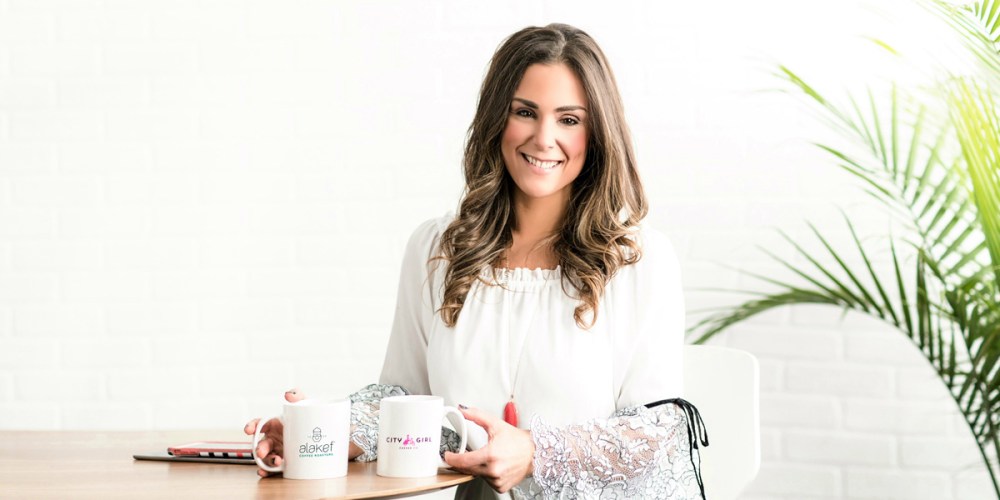
Bohbot runs Alakef Coffee Roasters and City Girl Coffee out of Duluth, Minnesota. Bohbot sources City Girl Coffee beans from women-owned farms, and she donates part of her proceeds to pro-women coffee organizations.

The career shift began in 1990, when Bohbot’s parents launched Alakef Coffee Roasters. Her father Nessim was a chemist from Morocco who infused rich European flavors into coffee, which was a rarity in the Midwest at the time. It turned out to be exactly what the region craved — and the company flourished.
“It was very good timing on their part,” said Bohbot. “They rode this boom when specialty coffee was just exploding.”
When her parents announced they were retiring, Bohbot agreed to perform a trial run as CEO of Alakef. She fell in love with the work.
“When I saw everything firsthand, I just wanted to carry on the legacy of my parents,” she said. “It’s this incredible community of customers and employees that my parents created.”
Bohbot took over the company in 2015 and ditched the guidance counselor dream. But, she was going to do things her way — which meant giving back.
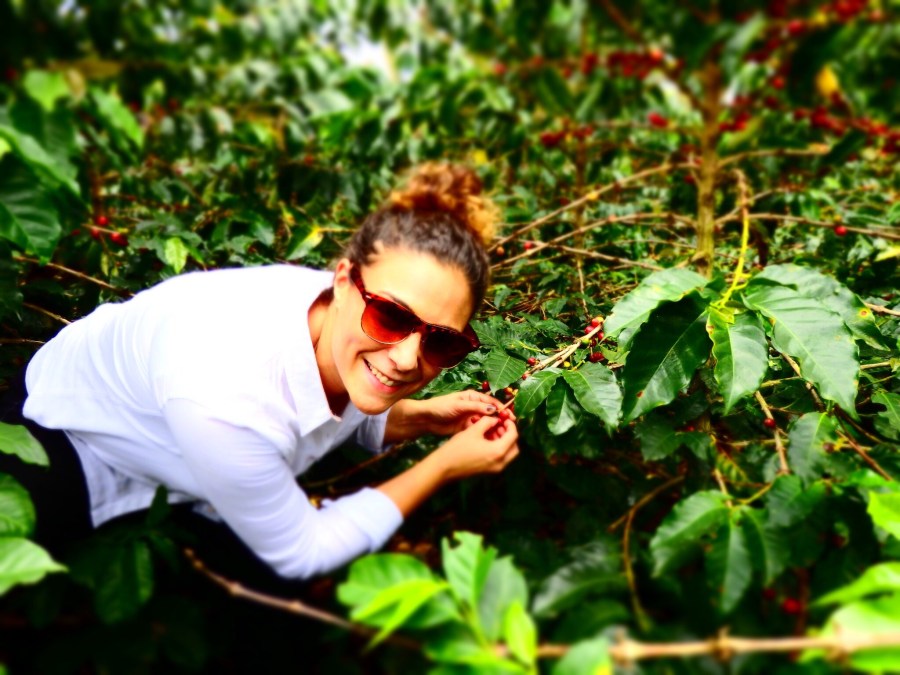
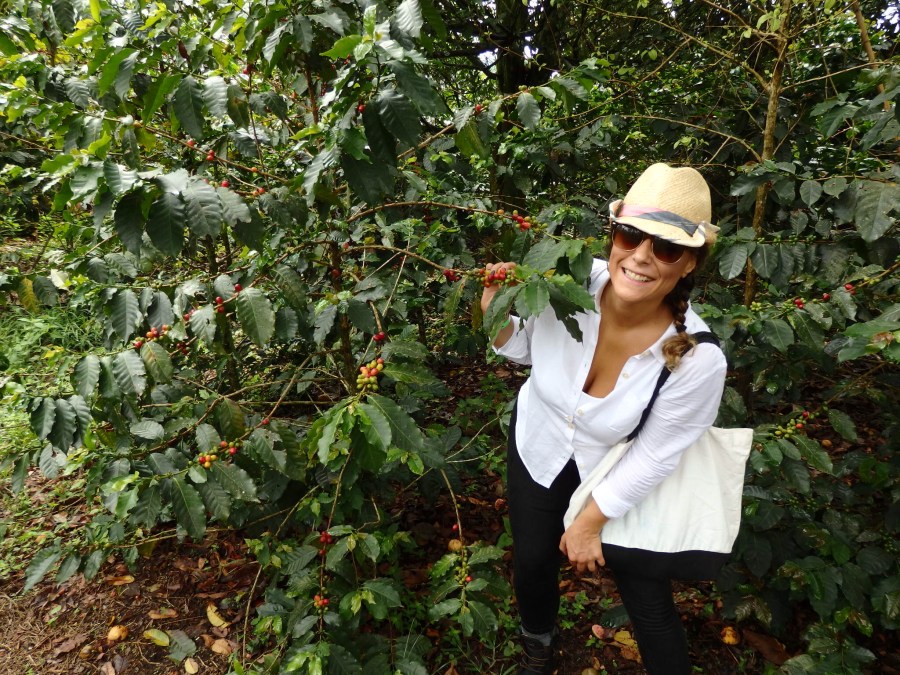
As Bohbot became more educated about the coffee business, she was alarmed particularly by discrimination against women-owned coffee farms abroad. During a conference, she heard a story about a woman in war-torn Colombia whose husband was killed, leaving her to take over their coffee farm. The widow was unable to secure a loan for equipment because she was a woman.
There isn’t much international data available on women in the coffee industry, but female coffee farm workers are often denied training and resources, leaving them unable to climb the chain or run their own business. The World Bank estimates that 500 million people throughout the world are dependent on coffee for their livelihoods.
“I needed to incorporate helping people into my business. We were already fair trade and organic…and I thought, focusing on women is how we could give back, remain true to our brand, and do something different,” said Bohbot. Bohbot launched the City Girl Coffee line, which sources beans from women-owned farms in Central and South America, Africa and Indonesia. Five percent of City Girl Coffee profits go to the nonprofits International Women’s Coffee Alliance (IWCA) and Café Feminino, which fight for gender equity in the international coffee trade. The City Girl Coffee formula takes inspiration from the original dark Alakef flavoring, though Bohbot is exploring different flavors and lighter roasts as well. The branding is unabashedly pink, feminine and loud about empowering women. “It’s not for everybody,” she said. “But, we’re not alienating men. We have many male customers. It’s kind of cool now to explore the gender spectrum, so I don’t think it’s shameful for men to buy it. For men who are embarrassed by it, it’s not for them, and that’s okay.” Under Bohbot’s leadership, the company has expanded distribution. Previously only available in the Midwest, City Girl Coffee will on the shelves at Giant Food retailers — which has 169 stores — on the coasts beginning in the fall. “Part of the fun of growing our company our company, and the City Girl brand is, the more we grow, the more good we can do in this world,” Bohbot said.
Halley Bondy Recommended