








There’s a lot of confusion about losing weight. I hear complaints all the time that the advice keeps changing. That’s true — it does.
That’s because nutrition scientists are continually updating their recommendations based on their latest research. The bottom line is that there are many ways to achieve and sustain weight loss, whether you’re looking to lose dozens of pounds, or just a few.
Check out these three common diet “mistakes” many women make before it’s even noon. While older evidence supports this advice, for many people, newer studies — and updated information — can create a pathway to better success.
Mistake #1: You believe breakfast is the most important meal of the day
While the habit of eating breakfast has been reported as one of the behaviors that “successful losers” use, it’s not a must-do for everyone. Don’t eat when you’re not hungry. And hunger depends on a lot of factors, not just biology. It’s okay to skip breakfast altogether until lunch, or even have a “morning snack or mini meal” later in the morning. A mini-meal of 100 calories if you feel hungry can be as easy as a small plain Greek yogurt, a hard-boiled egg or small skim-milk latte.
New studies show that for adults, performance on the job or elsewhere is not reduced by skipping breakfast (children DO need breakfast for optimal school performance, though). For those who are fasting intermittently, one option is to begin eating around noon or later. With eating patterns now more focused on individual preferences and lifestyles, the idea that “breakfast is the most important meal of the day” is only a slogan that works for some people. If that’s not you, skip it!
RELATED: What NBC News Health Editor Madelyn Fernstrom eats for lunch
Mistake #2: You believe you MUST have a mid-morning snack to keep your metabolism from slowing down
The idea that we need to fuel all day to keep our energy up couldn’t be further from the truth – for most people! Most of us are fairly inactive during the day and aren’t expending much energy, so there’s no need for “refueling”. For healthy people, our body metabolic pathways are perfectly aligned to provided sustained energy between meals, for many hours – without extra food – and keep our blood sugar stable.
Cutting out that morning snack (or snacks at other times of day) also help people better identify true hunger and fullness signals. While no one should be ravenous, it’s good to learn to be a little hungry. It’s not biologically necessary to act on any slight sign of hunger. And, fullness signals are more easily recognized (that is, when to stop eating) when true hunger is the chosen signal to begin eating.
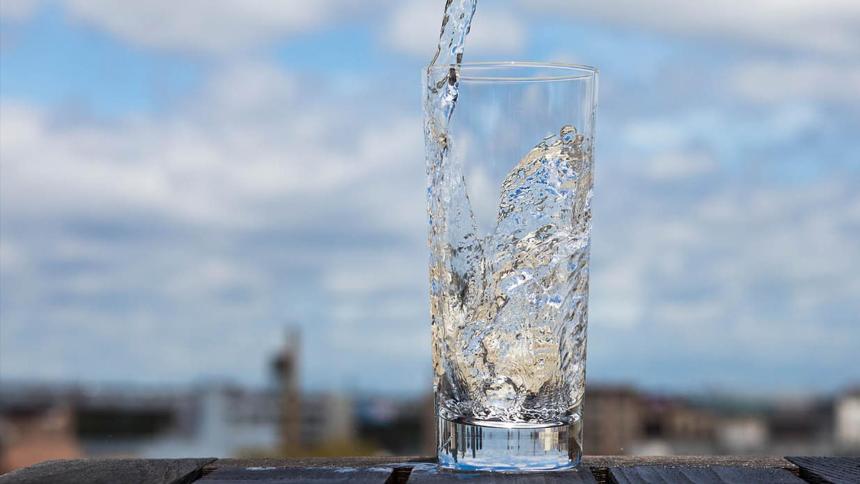
It’s super easy to think you’re hungry, when you’re actually thirsty, and it’s a very common early morning occurrence. After a full night’s sleep, your body doesn’t necessarily need food, but it does need fluid to re-hydrate after many hours. Make a habit of drinking at least one large glass of water as part of your morning ritual before even thinking about food. This is not to replace eating or to “fill you up,” but rather to re-hydrate. Being adequately hydrated is a big step to helping you manage your food intake. And if you’re eating in the morning, think of fresh fruits like berries and melons (which are mostly water) as key choices. Stick with water or seltzer because liquid calories add up fast! Skip 100 percent fruit juice – you always want to eat your fruit not drink it. Or, add a splash into flat or sparkling water. Limit your coffeehouse drinks to black coffee with milk, or a small skim milk latte. And watch out for smoothies – the calories can be more than two meals combined – or make your own calorie-controlled version where you control the ingredients. Drinking water and/or a low calorie beverages throughout the day and evening can also help cut down on your snacking — staying hydrated is a continuous effort, and the confusing signals of thirst versus hunger can occur at any time of day. And the easiest way to measure hydration? Take a peek in the toilet at your urine color. If it’s any darker than pale yellow (like lemonade), it’s time to take a drink. Madelyn Fernstrom, Ph.D. is the NBC News Health Editor. Follow her on Twitter @drfernstrom.
Madelyn Fernstrom, PhD
Madelyn Fernstrom, Ph.D., is the Diet and Nutrition editor for TODAY.
Fernstrom is a professor of psychiatry, epidemiology and surgery at the University of Pittsburgh Medical Center and a board certified nutrition specialist from the American College of Nutrition. She is the founding director of the UPMC Weight Management Center. Recommended


Mistake #3: You’re confusing thirst for hunger
RELATED: Dr. Fernstrom: Hate drinking water? 7 delicious ways to stay hydrated
