








The average American consumes around 22 teaspoons of sugar every day – that’s nearly 66 pounds in a year! And eating too much sugar has been associated with multiple health risks. But how much is “too much”?
The American Heart Association recommends a total of about six teaspoons of added sugars a day for women and nine teaspoons for men. Translated into calories, that’s only about 100 calories for women, and 150 for men.
RELATED: Mika’s lifelong struggle with sugar
That’s not easy for many people, especially because there are many popular foods with surprising amounts of hidden sugars. Here are five that are probably in your kitchen:
Condiments
A squirt here, a dunk there – the sugar calories add up fast. Among the highest in added sugars, per tablespoon are:
-Ketchup (1 teaspoon sugar)
-BBQ sauce (1 ½ teaspoons sugar)
-Teriyaki sauce ( 1 ½ teaspoons sugar)
-Hoisin sauce (2 teaspoons sugar)
Sugar Swap Out: mustard, no-sugar added ketchup

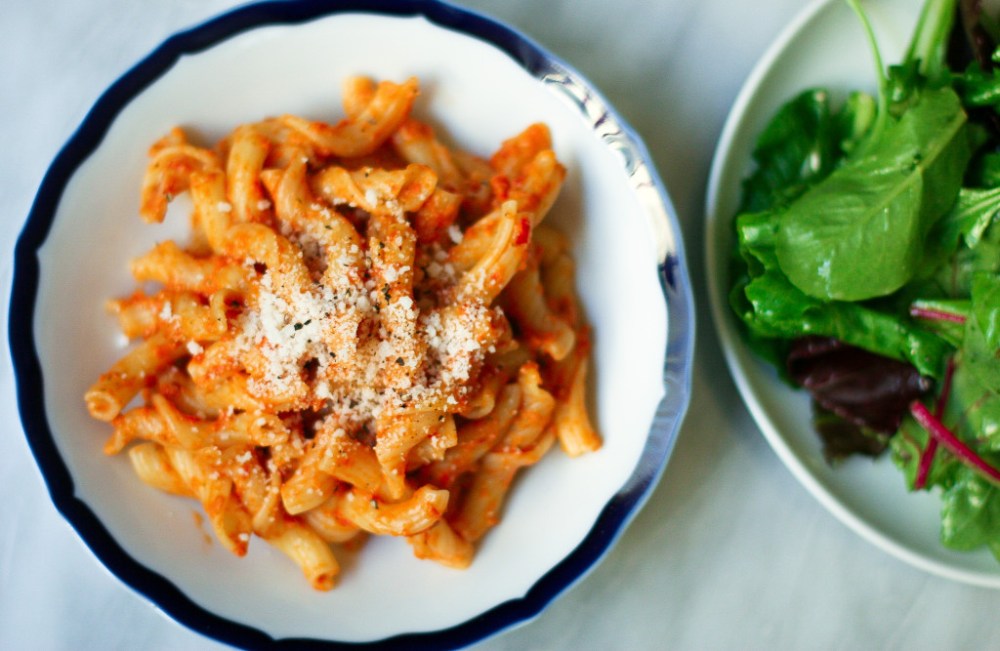
Jarred pasta sauces
Adding sugar to tomato-based sauces serves as a flavor balancer, and brands vary in amount added from as little as 3 grams (almost a teaspoon) to 12 grams (3 teaspoons) for a half cup serving. And you can only know by reading the label.
Sugar swap out: Cook down canned tomatoes (or tomato puree) with some seasonings for a quick, sugar-free pasta sauce, or cut down the sugar in a jarred sauce by mixing equal parts with plain tomato sauce.
Flavored Yogurts
Figuring out what has added sugars can be confusing due to container size and the kind of add-ins. While yogurt has lactose, one of nature’s sugars, it’s not the major contributor of sugars listed for many flavored yogurts. In fact, plain (natural) yogurt has less than 2 teaspoons per 5 ounce serving, while many fruited yogurts have up to 13 grams (3 teaspoons) or more for the same serving size.
And don’t be fooled by the words “organic” or “kids” – as these brands are often higher in sugar than others.
Sugar Swap out: Add your own fruit to plain yogurt, or even one teaspoon of jelly or jam (you’re still saving sugar compared to fruited yogurts).

Breakfast Cereals
Here’s where reading the nutrition label – on the back – is essential. Ignore the words “fortified” or “whole grain” or “protein”, which are all unrelated to sugar. Avoid cereals with the word “frosted”.
Sugar Swap Out: Look for cereals with less than 8 grams of sugar per 1 cup serving. Try mixing a sweeter cereal with a low-sugar variety to cut the added sugars in half.
Beverages
Clear doesn’t mean calorie-free. Watch out for coffee house drinks, loaded with syrups. Drinks flavored with ANY calorie-containing sweeteners count as added sugars. And skip fruit juices as a stand-alone drink; you want to eat your fruit, not drink it.
Sugar Swap Out: If you’re tired of plain water or seltzer, add a splash of 100 percent juice for flavor. Use low calorie drinks if you choose, but limit consumption to tame your sweet tooth.
You also might be wondering where all that sugar is coming from. Consider this: Added sugars vs. nature’s sugars If you’ve already cut the obvious tooth-aching sources of added sugars – like cakes, cookies, candy and soda – you’re off to a good start. But there are loads of hidden sugars in everyday foods that add up fast. The “taste test” for sweetness doesn’t work because these packaged and processed foods often don’t taste particularly sweet. And with more than 50 different names for added sugars, it’s hard to know how much you’re eating because it’s disguised. One important note: Fruit, which is often referred to as “nature’s candy,” is not considered “added” sugar and is a healthy part of the food supply, along with those sugars found in starchy vegetables and dairy. Recognizing added sugars on a label: A common mistake after limiting white sugar (sucrose) is to swap it out for another sugar with a health halo and perception of a “better-for-you sugar.” Our bodies recognize all sources of added sugars the same way – and breaks them all down to glucose, the simplest and most preferred source of energy used by a healthy body. Here’s what to look for when reading labels for added sugars in your foods: -Ingredients that end with the letters -ose (like sucrose or glucose) -Ingredients that have the word “syrup” (like corn syrup or brown rice syrup) -Ingredients that have the word sugar (like cane sugar, beet sugar, or coconut sugar) Madelyn Fernstrom, Ph.D. is the NBC News Health Editor. Follow her on Twitter @drfernstrom. For more advice like this, sign up for the Know Your Value newsletter and follow Know Your Value on Facebook, Twitter and Instagram.
Madelyn Fernstrom, PhD
Madelyn Fernstrom, Ph.D., is the Diet and Nutrition editor for TODAY.
Fernstrom is a professor of psychiatry, epidemiology and surgery at the University of Pittsburgh Medical Center and a board certified nutrition specialist from the American College of Nutrition. She is the founding director of the UPMC Weight Management Center. Recommended


