








We talked a bit earlier about the new GDP report, the top lines of which looked pretty good. We saw quarterly growth of 2.1% in the spring and early summer, which was just a bit higher than expected, and which suggested the economic recovery that began at the beginning of the decade is still ongoing.
But CNBC ran a report this morning about one of the dark clouds hanging overhead.
U.S. consumer spending, the biggest part of the economy, saved the day for the record-long expansion, but a big decline in business investments raised concerns about how much longer it can last.
Personal consumption expenditures rose 4.3% in the second quarter, the best performance in six quarters, whereas gross private domestic investment tumbled 5.5%, the worst since the fourth quarter in 2015 as spending on structures slumped 10.6%. The drop in business spending chopped a full percentage point off of the final GDP number.
I imagine there are some readers whose eyes glaze over when they see a bunch of statistics and economic jargon, so let’s make this plain: economic growth isn’t a problem, but it’s been fueled of late by consumer spending and government spending.
For now, we’ll put aside the fact that Republicans spent the Obama era inexplicably arguing that government spending undermines growth — claims that were false at the time and equally wrong today.
Let’s instead focus on what isn’t fueling the economy: business investment. What we learned from this morning’s Commerce Department report is that private-sector investments actually dropped for the first time in several years, which prevented economic growth from being much stronger.
And why is that important? In part for reasons that are probably obvious: when American businesses start investing less, it’s worth taking note of the economic impact.
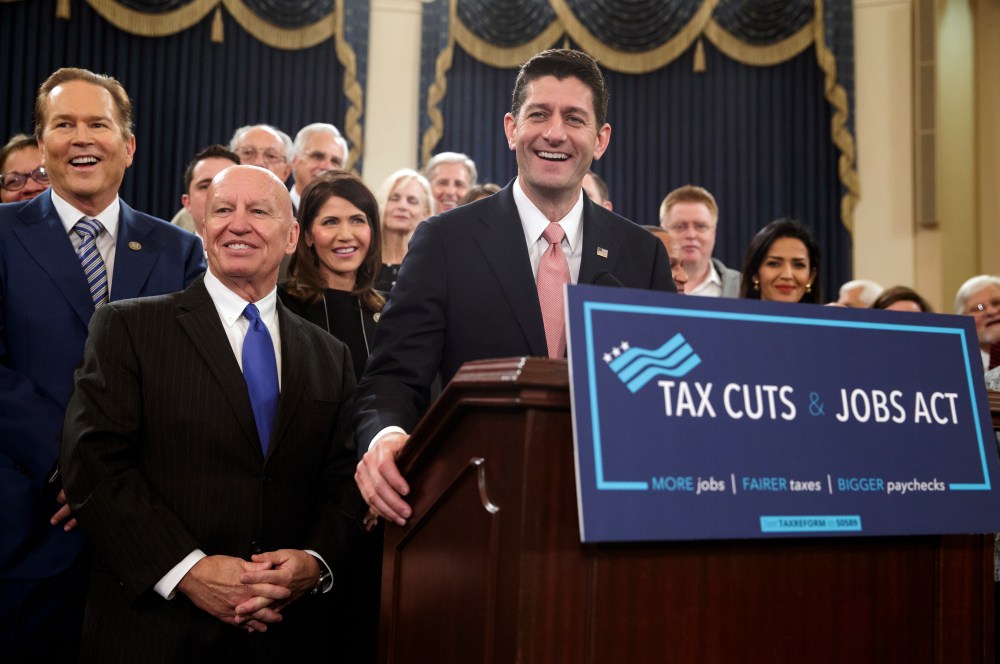
But as a political matter, it’s also important to realize that when Republicans passed their tax plan a year and a half ago, they said the whole point of their beloved corporate tax breaks was to increase business investment.
The opposite is now happening. All of which brings us to a familiar point: none of what Republicans said about their tax cuts came true. The plan isn’t paying for itself; it’s not boosting economic growth; it didn’t fuel private-sector hiring; it didn’t help GOP candidates in the 2018 midterms; and it wasn’t the biggest tax cut of all time. I’m trying to think of something Republicans got right about their plan. Nothing comes to mind. Meanwhile, progressive critics of the Republican plan said the corporate beneficiaries of the tax breaks would use their windfalls on priorities such as stock buybacks. That, among other Democratic predictions, turned out to be right.
Steve Benen is a producer for "The Rachel Maddow Show," the editor of MaddowBlog and an MS NOW political contributor. He's also the bestselling author of "Ministry of Truth: Democracy, Reality, and the Republicans' War on the Recent Past." Recommended


