









Though much of the political world is no longer capable of being surprised when it comes to Donald Trump and the Republican National Committee, new reporting this week on the RNC helping pay the former president’s legal bills raised a few eyebrows.
After all, not only is Trump out of office, he’s also dealing with legal troubles that are unrelated — and in fact, predate — his White House tenure. The RNC is nevertheless helping pick up the former president’s legal tab for matters related to, as The Washington Post put it, “investigations into his financial practices in New York.”
And what financial practices might those be?
To be sure, the list of Trump’s legal troubles is not short. He is, after all, facing a criminal inquiry, multiple civil suits, and criminal charges against his private business. But among the most serious of the Republican’s potential legal liabilities has to do with — of all things — property valuations.
The New York Times reported today that a New York criminal investigation into Trump and his business operation has led investigators to issue “new subpoenas for records about Mr. Trump’s hotels, golf clubs and office buildings.” The article added:
The developments, described by people with knowledge of the matter, show that the Manhattan prosecutors have shifted away from investigating those tax issues and returned to an original focus of their three-year investigation: Mr. Trump’s statements about the value of his assets. In particular, the people said, the prosecutors are zeroing in on whether Mr. Trump or his company inflated the value of some of his properties while trying to secure financing from potential lenders. If [outgoing Manhattan District Attorney Cy Vance Jr., the prosecutor overseeing the inquiry] concludes that Mr. Trump intentionally submitted false values to potential lenders, prosecutors could argue that he engaged in a pattern of fraud.
As Trump controversies go, this one may not seem nearly as provocative as inciting an insurrectionist riot, trying to leverage aid to get a foreign country to help him cheat in an election, or paying illegal hush money to a porn star, but it might nevertheless be among the most serious legal headaches the former president has ever had.
The Washington Post reported this week, for example, on the Trump Organization’s office building in Manhattan, which the company told lenders in 2012 was worth $527 million. A few months later, when listing the same building’s value for property tax officials, the Trump Organization said it was worth just $16.7 million.
The stunt was transparent: When trying to impress potential lenders, the business tried to make its assets look valuable, but when trying to avoid hefty tax bills, the Trump Organization did the opposite — to a dramatic degree.
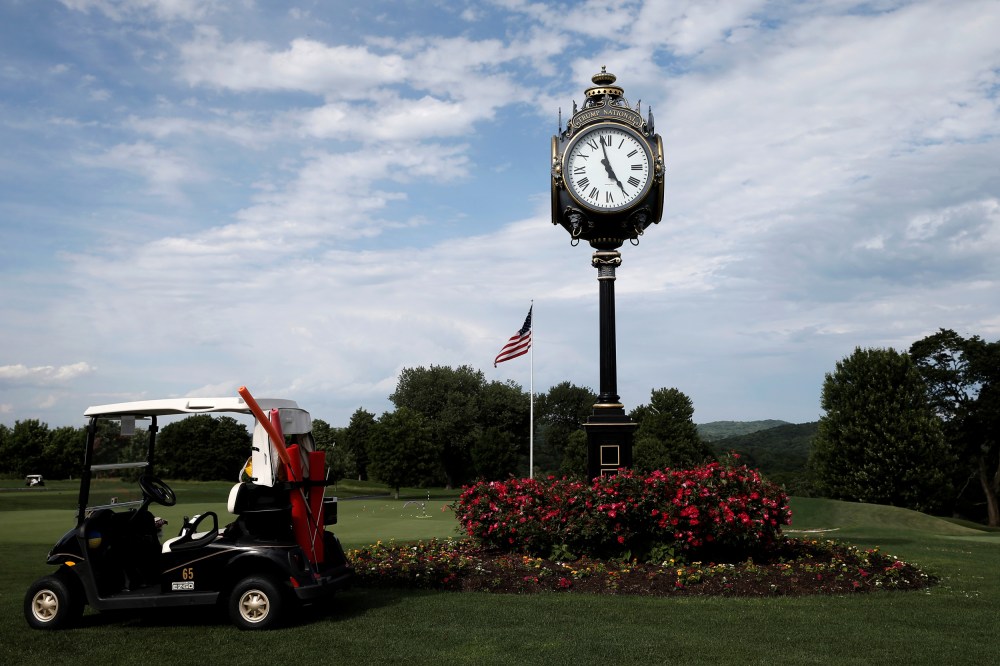
What’s more, there’s a larger pattern of accusations that extend well beyond this property in Manhattan. The Post’s report added, “Investigators seem focused on the valuations of at least four Trump properties,” including a golf course in Rancho Palos Verdes, the Seven Springs estate in New York, and the Trump National Golf Club Westchester that we discussed in detail last month. At this point, I imagine some of the former president’s followers may try to put a positive spin on this. “Well, sure,” they’ll say. “No one likes paying taxes, so it’s hard to blame a guy for making every possible effort to pay as little as possible.” The problem with this defense is that deliberately misvaluing property, in order to evade taxes, is illegal. Looking for ways to reduce tax burdens is fine, criminal misconduct is not. That said, no charges have been filed against the Trump Organization, and it’s possible nothing will come of this. District attorneys’ offices examine potential wrongdoing all the time without filing charges, and this investigation might quietly fade away. But given the available details, there’s a reason the former president has hired several attorneys for the RNC to pay.
Steve Benen is a producer for "The Rachel Maddow Show," the editor of MaddowBlog and an MS NOW political contributor. He's also the bestselling author of "Ministry of Truth: Democracy, Reality, and the Republicans' War on the Recent Past."
Latest Post
Recommended


