








With the news that a former federal prosecutor will chair a special new congressional panel on the Benghazi attacks, it’s clear Republicans don’t plan to drop the issue any time soon. In fact, it looks like the GOP is looking to keep riding the story all the way through 2016—when a certain former secretary of state could well be the Democratic presidential nominee.
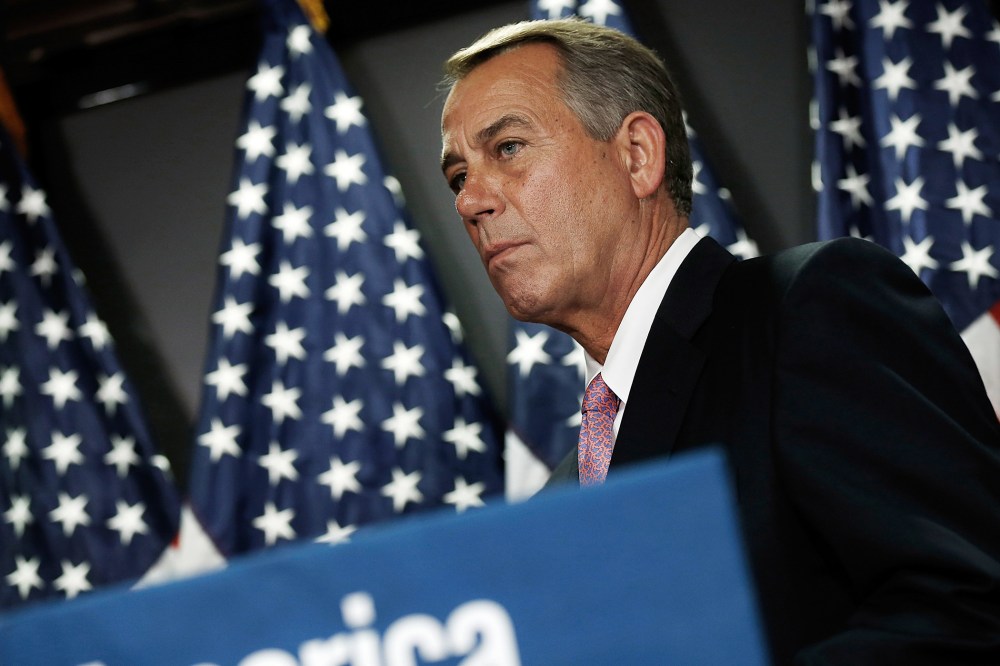
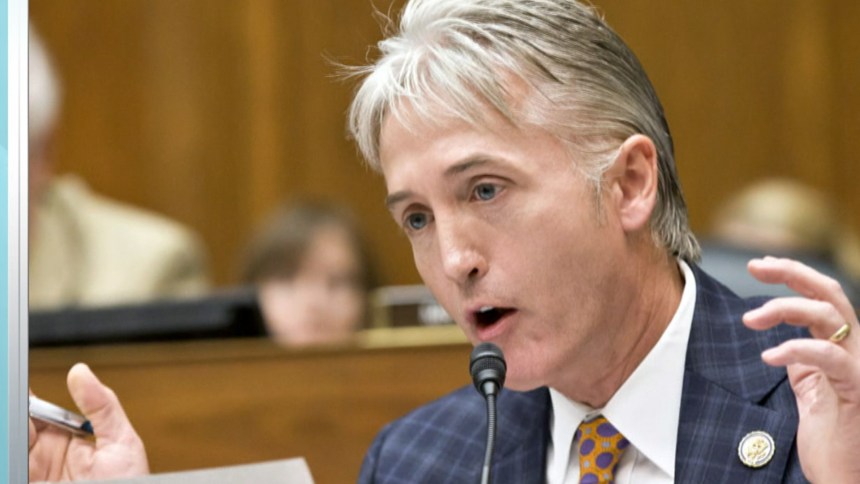
On Friday, Republican House Speaker John Boehner announced the formation of a select committee to investigate the September 2012 attacks on the U.S. Consulate in Benghazi, Libya. The Speaker said Monday he was tapping Rep. Trey Gowdy of South Carolina, a former prosecutor in the office of the U.S. attorney, to head the probe.
In the aftermath of the attacks, the Obama administration incorrectly insisted that the attacks were inspired by a video that angered Muslims, rather than being a planned terrorist act. Republicans allege that the White House knowingly lied about the cause of the attacks — which killed four Americans, including Ambassador Chris Stevens—aiming to dodge blame during a tight re-election battle for failing to stop a terrorist attack.
Already, numerous conventional Congressional panels have conducted investigations on the subject, turning up little new evidence to support that charge. But last week, an email was released from National Security Council spokesman Ben Rhodes, directing Susan Rice, then President Obama’s top foreign policy adviser, to stress in interviews that that the attacks were triggered by the video and did not represent “a broader failure of policy.”
Conservative activists, backed by Fox News, had been pressing almost since the attacks occurred for a comprehensive probe—and they pounced on the Rhodes email. Columnist Charles Krauthammer, appearing on Fox, compared it to the Watergate tapes that brought down President Richard Nixon. An aide to Boehner called the Rhodes email “the straw that broke the camel’s back.”
But for Republicans, this isn’t just about keeping the base happy. Even conservative columnist George Will sees another motivation driving the effort.
“It’s only a matter of time before Dems raise the following question,” Will said on Fox News Sunday. “Would there be a select committee if it didn’t want to have the power to subpoena the former Secretary of State, Hillary Clinton, for obviously reasons pertaining to presidential politics?”
From a purely political perspective, it’s not hard to see the appeal of the idea for Republicans. In her first testimony on Benghazi before Congress, in January 2013, Clinton angrily derided the GOP’s fixation on the cause of the attacks—“what difference does it make?” she asked—helping galvanize conservative anger over the issue.
More to the point, Clinton currently leads every potential GOP contender in 2016 polls, meaning Republicans have a huge amount to gain by damaging her. And despite Benghazi’s failure to catch fire beyond conservative media as a bona fide scandal, there’s reason to think the constant drumbeat could do some damage. A year ago, Clinton saw a significant drop in her overall approval rating — a decline that at least one pollster attributed in part to fallout from the attacks. “One reason for her drop may be that 48 percent of voters blame her either a little or a lot for the death of the American ambassador in Benghazi,” Peter Brown, of the Quinnipiac University Polling Institute, said at the time. That’s not to say that Clinton, a savvy and experienced Washington operator who has faced her share of hostile questioners, should freak out at the thought of appearing before lawmakers again. Rep. Adam Schiff, a California Democrat, suggested Sunday on Fox News that Democrats might boycott the committee, which could significantly undercut its claims to objectivity, and give it the impression of a partisan witch-hunt. And even some conservatives who support the panel’s goals doubt that a public grilling before TV cameras provides the best way of achieving them. “You can’t get effective investigations done with members of Congress alternating – asking questions for five minutes – of somebody who’s articulate and knows how to dodge questions,” John Bolton, a former State Department official in the Bush administration and staunch foreign policy hawk, said on Fox. “What needs to happen are extensive, hour-after-hour depositions.”
Zachary Roth Recommended


