








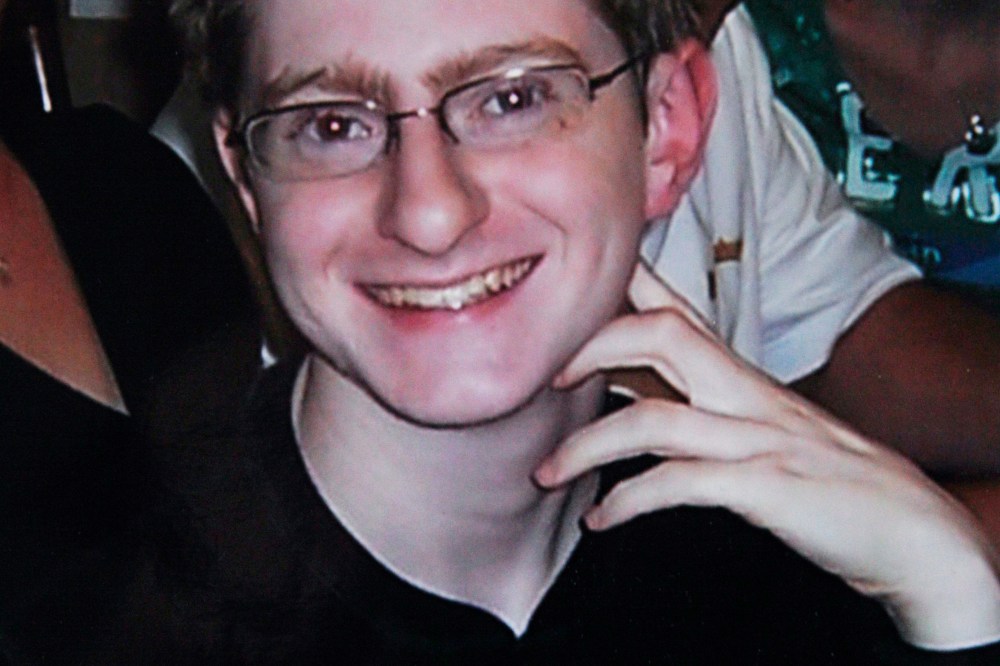
Spirit Day, founded by GLAAD ambassador and then-high school student Brittany McMillan, first started in 2010 following a spike in media attention around LGBT youth suicides that were connected to bullying. My youngest brother, Tyler Clementi, was one of those teenagers. As we take a stand against bullying today, I can’t help but be reminded of the losses that have made Spirit Day so necessary.
%22Tyler%20was%20the%20good%20kid%20that%20never%20got%20in%20trouble.%20And%20when%20he%20finally%20was%20in%20trouble%2C%20he%20didn%E2%80%99t%20know%20what%20to%20do.%22′
Tyler was smart, funny and talented, with a big heart and a determined spirit, but internally he was struggling with depression and suicidal tendencies. He ultimately took his own life at just 18 years old. It has been surreal to piece together these two very different people: the Tyler I knew and loved and the one I never knew at all.
I have struggled to process how anyone could want to hurt Tyler. He was hard not to love. He never had problems with bullies in high school, so when I learned that he had been violated and abused by his college peers, I was in total shock. Tyler was the good kid that never got in trouble. And when he finally was in trouble, he didn’t know what to do.
In September 2010, my brother was starting his freshman year at Rutgers University. He had come out to me (actually, we came out to each other) earlier in the summer. I was very supportive and encouraged him to reach out to me no matter what the situation. Tyler came out to our parents only two days before leaving for college. They were shocked, but they advised him to be careful and guarded in his new environment. A new living situation with strangers can be risky, and lesbian, gay, bisexual and transgender young people are at a higher risk of being targeted than their straight peers.
My brother had been closeted in high school and he was excited to finally be out, to be himself for the first time. He was expecting to find a world that embraced him, but instead he soon realized that the start of his college experience had become a nightmare scenario that was far worse than he could have anticipated.
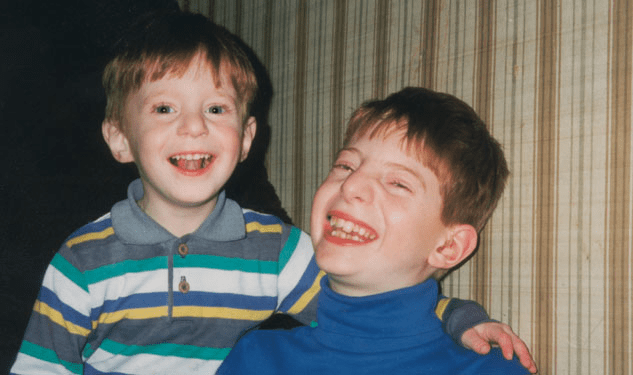
Tyler asked his roommate for and was granted permission to have privacy in their shared dorm room so that he could be alone with a date. What he didn’t know was that when Tyler’s roommate left, he went across the hall to another student’s dorm room and turned on her computer and remotely accessed his webcam, which he had left deliberately pointed at Tyler’s bed. The roommate invited a group of students to have a “viewing party” in the room and sent tweets to students at Rutgers as well as high school friends, detailing exactly what was going on. Tyler’s privacy was violated in a vulnerable moment.
My brother soon realized what had happened. He read his roommate’s Twitter account, which was filled with nasty, homophobic comments about Tyler and the encounter, which clearly was intended to be private. Tyler spiraled into crisis mode, and could not see any way out. I was there, and would have dropped everything to go to him and help him. But he didn’t reach out to me. The shame and stigma of what Tyler experienced pushed him toward a permanent choice that cannot be undone. That much cruelty and intolerance was too much for one gentle, shy young man to bear.
%22All%20too%20often%20when%20bullying%20occurs%2C%20people%20witness%20it%20and%20do%20not%20act%3B%20they%20do%20not%20get%20involved.%20Out%20of%20the%20dozens%20of%20students%20that%20witnessed%20Tyler%E2%80%99s%20violation%2C%20not%20one%20stood%20up%20for%20him.%22′ Today, you’re going to see a lot of purple: purple profile pictures on Facebook, purple shirts and a purple Empire State Building. Underneath all this purple is a message that every single person deserves respect and protection. I love seeing so many people making a visual statement against bullying. This is being an “Upstander.” All too often when bullying occurs, people witness it and do not act; they do not get involved. Out of the dozens of students that witnessed Tyler’s violation, not one stood up for him. Participating in Spirit Day is an incredible way that we can be allies for those who are harassed, whether at school or work, online or off. But we have to commit to end bullying and make our schools, homes and workplaces safe and inclusive for everyone, every day, all year round. You can join me on this quest by signing The Tyler Clementi Foundation‘s Upstander Pledge. Print it out and display it on your fridge or your locker. Every mind that we can open means one Spirit that is safer, today and every day. Guided by the memory of his younger brother Tyler, James Clementi is one of the nation’s leading activists for anti-bullying, suicide prevention and LGBT rights. Along with his family, James works for the Tyler Clementi Foundation, which aims to end bullying both online and off. Happy #SpiritDay! Take a stand against bullying and be an #Upstander http://t.co/jUHe8QBEjq Take the #UpstanderPledge pic.twitter.com/KH2BsV87jb
James Clementi Recommended


