









When it comes to investing potential, young women have a secret weapon they are often unaware of: lots of time.
It’s all about playing the long game with the vast runway they have in front of them, according to finance expert and author, Jean Chatzky.
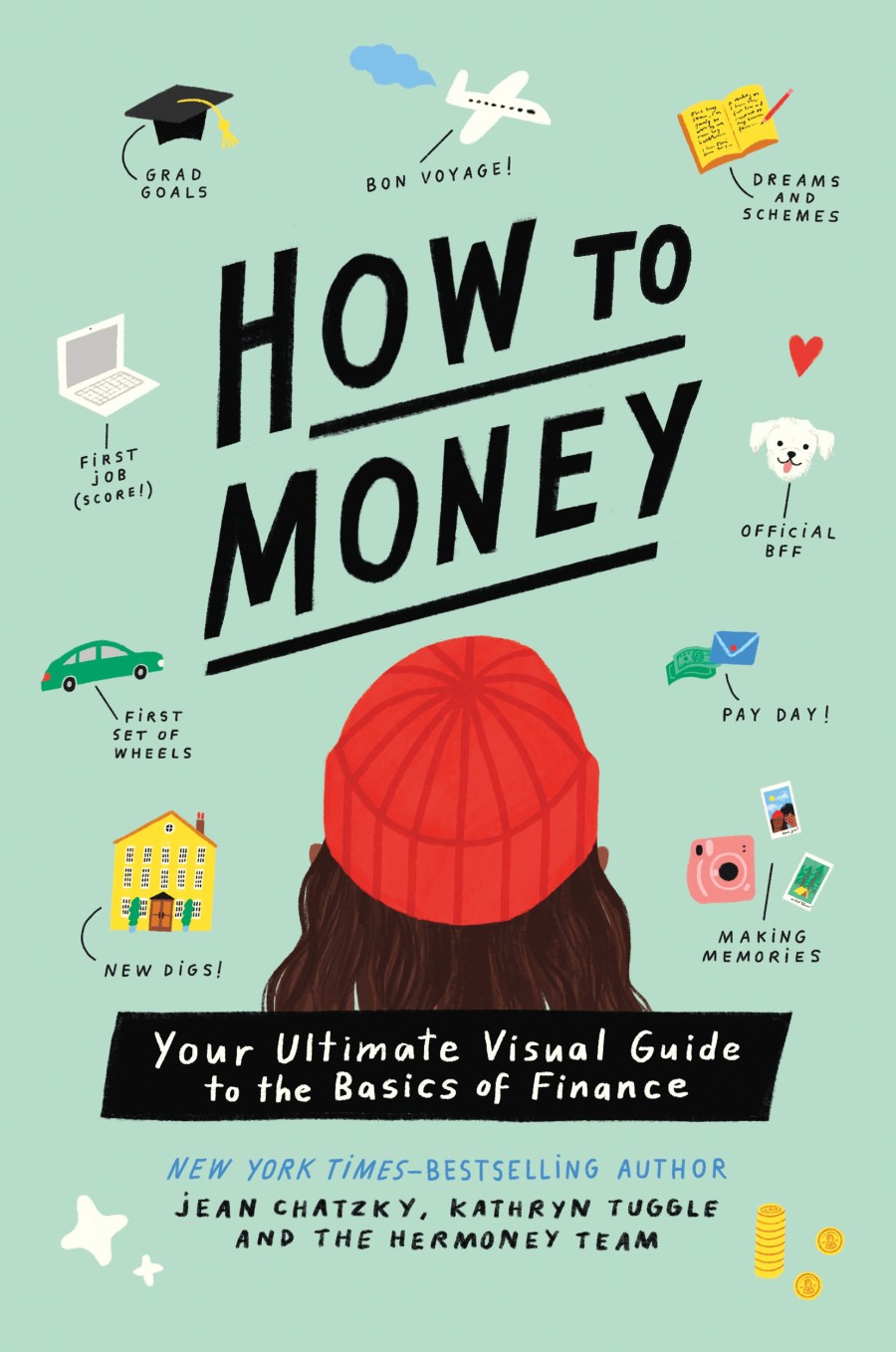
She and her team at HerMoney.com break down exactly what that means in their new book out this week, “How to Money: Your Ultimate Visual Guide to the Basics of Finance.”

For beginners – especially younger women – she explains how getting a head start in investing with just a small amount of money can make all the difference later in life, from staying ahead of rising inflation to maximizing those dollars through compound interest.
Broadly, the illustrated guidebook covers all the fundamentals of personal finance in an approachable way – from creating a budget and navigating student loans, to managing credit and avoiding debt.
The New York Times best-selling author recently shared with Know Your Value her top tips for young, first-time investors and how they can achieve long-term success in the markets.
Know Your Value: Who is this book for and why?
Chatzky: This book is for younger women – college grads, high school grads – women just starting to earn some money who need to figure out how to be smart about it. The team at HerMoney.com wrote it because we kept being asked for it. The listeners to our podcast and members of our community wanted a handbook that was easy to get through but comprehensive. Moms wanted it for their daughters. Recent grads wanted it for themselves.
Know Your Value: Why is it important for young women – who are just starting out with expenses like rent, a first credit card, student debt – to think about passive income, like investing in the markets or bonds?
Chatzky: When you’re a young woman, you may not have a lot of money, but you have something that’s even more powerful when it comes to making money – a lot of time. On average, money invested doubles every seven years. So, if I’m investing at 50 years old my money can double maybe twice before I retire.
But if I’m 25? It can double and double and double and double and double and double. Literally. And I don’t have to do anything active. To make that happen, all I have to do is to keep investing with every single paycheck, which is something I can do automatically. When you think about it this way, the money you have in your 20s is so much more valuable than the money you have later on.
Know Your Value: What are your top tips for helping young women become good investors?
Chatzky: First, invest money every single time you get paid. Ideally, you’ll be – at some point soon – investing 15 percent of whatever it is you’re earning (that can include any matching dollars in a retirement account you get through your employer). Saving enough is the key to becoming a good investor because if you don’t save enough you don’t have anything to grow.
Second, focus on what’s called your “asset allocation,” in other words, your mix of investments. When you’re young, most – think 80-90 percent – of your money should be in stocks, and 10-20 percent should be in bonds.
As you get older, more will shift into bonds which are less risky, but early on is the time to be aggressive because you have a lot of time (that word again) to ride out swings in the markets.
And third, once a year or so revisit that mix and bring it back in line by selling some of the assets that have done well and putting the money into the assets that haven’t done so well. (I know, it sounds counterintuitive, but this is how you make sure you’re not taking too much risk.) That’s it.
And, if this all sounds like too much work, use either a robo advisor to help manage your investment mix or, if it’s in a retirement account, put all the money into a target date fund. Both will keep your mix in line automatically.
Know Your Value: How can young women who are risk-averse confidently start their investment journey, especially if they don’t have help or guidance from family?
Chatzky: Is it cheesy to quote Nike here? Just do it. I can tell you all day that investing is not hard and you can do it, but if you just try it you’ll see that I’m telling you the truth.
First, open an account with a brokerage firm like Ellevest (which focuses on women) or Fidelity (run by a woman) or Vanguard (which is known for keeping fees and expenses ultra-low). If you have a job and some income, I’d make that account a Roth IRA because money in that account can grow tax-free for your retirement and later goals. Then, put some money in. Pick an amount you can keep up with every month – $50 or $100 or whatever you can afford – and elect to have that sum automatically pulled from your checking account and put into your Roth on a monthly basis, preferably right after your paycheck lands. Then, decide how you want that money to be invested. The brokerage firm will suggest a mix of investments based on your age and your goals. Going with those suggestions are just fine. Or, go old school. Put 80 percent of the money in a total stock market index fund and 20 percent into a total bond market index fund and call it a day. Finally, make an appointment in your calendar to visit this portfolio about every 3-4 months to see how it’s doing. Don’t panic if it’s down a little bit – you’re in this for the long run. Just remind yourself that when you next move money into the account you’ll be buying your investments on sale. Know Your Value: What about the emotional component around investing? How can young women develop a healthy emotional relationship with money? Chatzky: Start talking about it! I just watched the documentary on the making of the Broadway musical “Spring Awakening.” For those who haven’t seen it, it’s all about what happens when we refuse to talk about important life subjects – in this case, sex. The ramifications are devastating. Money is very much the same. We have created this perception that talking about money is wrong and invasive, that money itself (because of a Bible quote taken out of context) is evil. It’s none of those things. Money is just a tool that we need – need – to know how to use to get what we want out of life. So ask your questions. And if you don’t understand the answers (particularly because someone is mansplaining to you) ask a woman. And here’s what I can promise you: If you bring it up, your friends and your colleagues will be relieved, not annoyed. Because they want to talk about it, too. They just don’t know how. Know Your Value: What investing advice would you give your younger self? Chatzky: Is it doubly cheesy to quote Nike again? I didn’t start investing until I was in my 30s. If I could get my 20s back, I’d put all my extra money in stocks. Well, maybe not all of it. I’d also buy my apartment in Brooklyn.
Bianca Brosh Recommended


