While the nation once again fell short of electing its first woman to the presidency, there were notable gains in the fight for reproductive rights across the country, as well as historic firsts in Congress and state-wide offices.

In her concession speech Wednesday, Vice President Kamala Harris acknowledged the urgency of women’s reproductive freedom now more than ever.
“I will never give up the fight for a future where Americans can pursue their dreams, ambitions and aspirations, where the women of America have the freedom to make decisions about their own body and not have their government telling them what to do,” she said, urging her supporters to continue “the fight for freedom, for opportunity, for fairness and for the dignity of all people.”
On Election Day, millions of voters in 10 states weighed in on 11 ballot measures directly targeting abortion access, with each carrying significant repercussions for the future of women’s and maternal health since the Supreme Court struck down Roe v. Wade in 2022.
Abortion rights wins – and losses
Constitutional amendments to protect or expand abortion passed in seven of the 10 states where they appeared on the ballot Tuesday, NBC News projected.
Voters in Arizona and Missouri approved ballot initiatives that will effectively protect abortion rights until fetal viability and undo existing abortion laws on the books.
In Maryland, Montana, Nevada and New York (where abortion is already legal through fetal viability) and in Colorado (where there are no laws restricting abortion and no gestational limits for women seeking abortions), voters passed measures that will formally enshrine those existing rights.

Meanwhile, voters in Florida, Nebraska and South Dakota rejected proposed amendments that would have protected abortion rights until fetal viability — ending what had been an unbroken winning streak for ballot measures supporting abortion rights since the fall of Roe two years ago.
Although a majority of Floridians supported the measure at 57 percent, that did not reach the state’s required 60 percent threshold, enforced by the Republican-controlled state legislature.
The fight to keep women in elected office
Thus far, 140 (102 Democrat, 38 Republican) women will serve in the 119th Congress in 2025 with 18 congressional races too close to call, according to the Center for American Women and Politics.
While several contests resulted in historic and notable wins for women in Congress and in state-wide elections, the center projects that women’s representation overall will fall as a result of the 2024 elections with one exception: governorships.
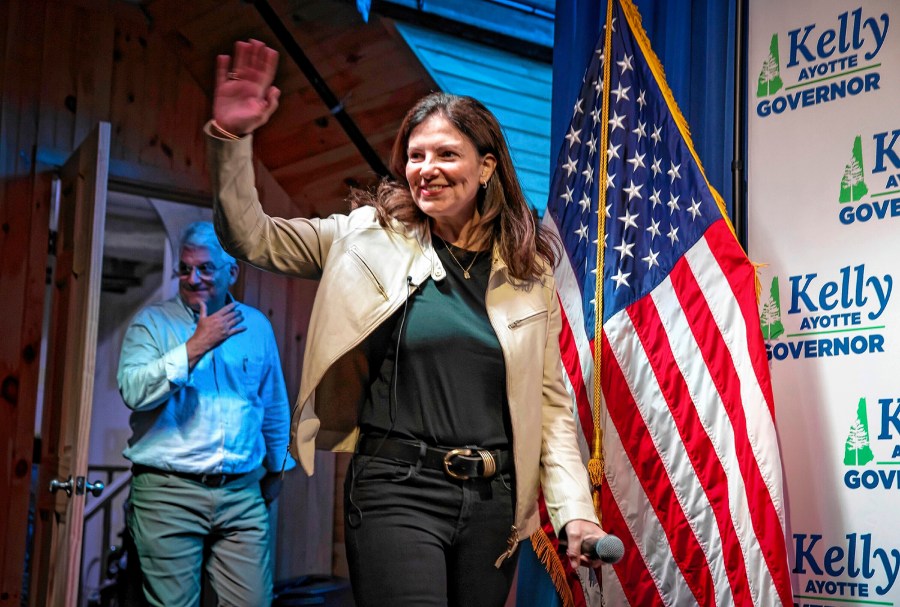
Former Sen. Kelly Ayotte (R-NH) has won the race for New Hampshire governor, which will bring the current 12 incumbent women governors (none of whom were up for election in 2024) to a new record of 13.
Ayotte was New Hampshire’s first female attorney general before she went on to serve in the Senate for one term. She lost her re-election battle in 2016 to now-Sen. Maggie Hassan.
Ayotte has said she supports her state’s abortion law, which allows abortions “for any reason up to six months of pregnancy,” and with exceptions during the final trimester for medical emergencies or fatal fetal anomalies.
Congressional milestones for women in 2024
For the first time, two Black women will serve in the Senate simultaneously, while voters also elected an openly transgender lawmaker to Congress.
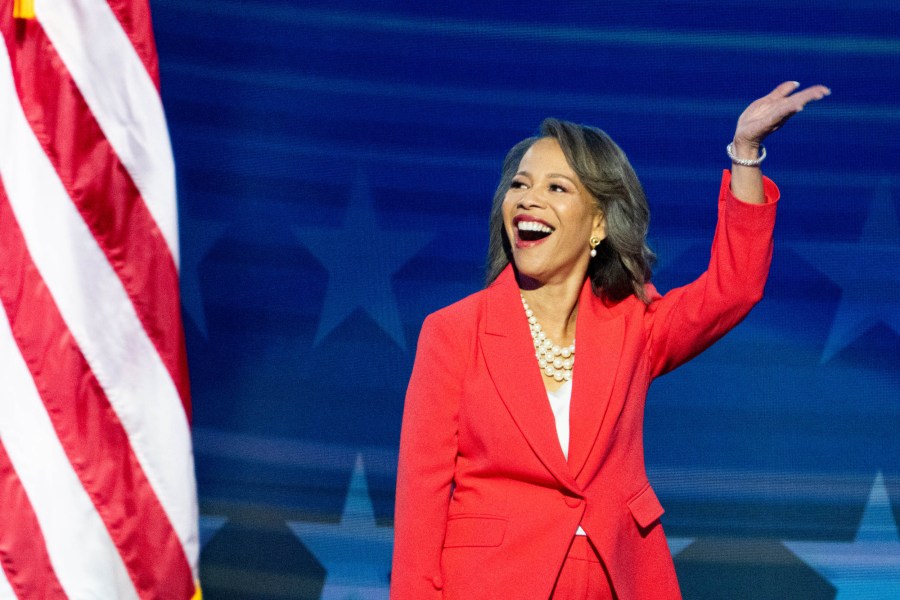
Lisa Blunt Rochester (D-DE)
Democratic Rep. Lisa Blunt Rochester, 62, will become the first Black woman to represent Delaware in the Senate. Already a history-making politician, she was the first woman and the first Black person to represent the state in Congress. Blunt Rochester told NBC News before Election Day that she would prioritize creating jobs, protecting reproductive rights, health care and centering the needs of seniors and families.

Angela Alsobrooks (D-MD)
In neighboring Maryland, Democratic challenger Angela Alsobrooks has won her Senate race, defeating popular former Republican Gov. Larry Hogan and becoming the first Black woman elected to represent Maryland in the Senate.
Together with Blunt Rochester, their victories doubled the number of Black women ever elected to the Senate — from two to four.
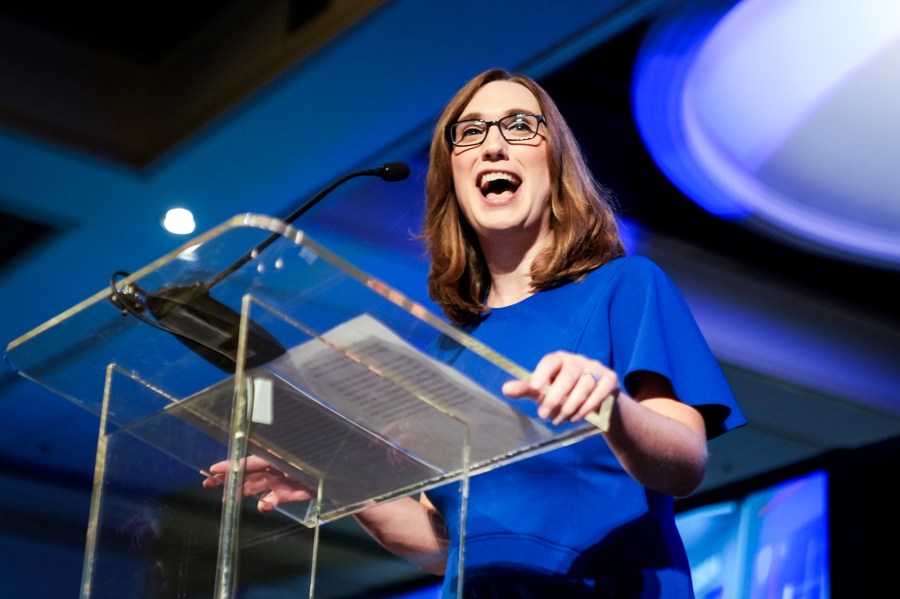
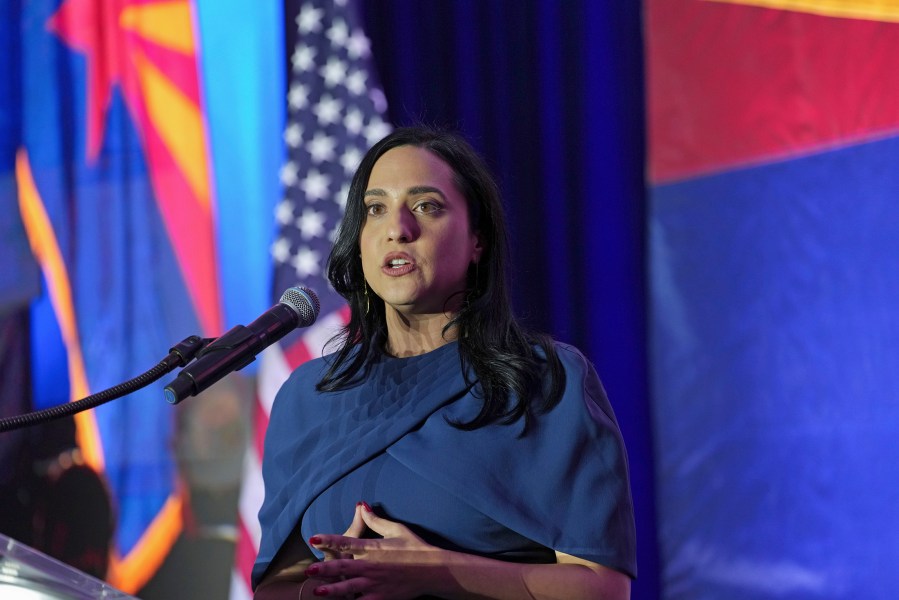
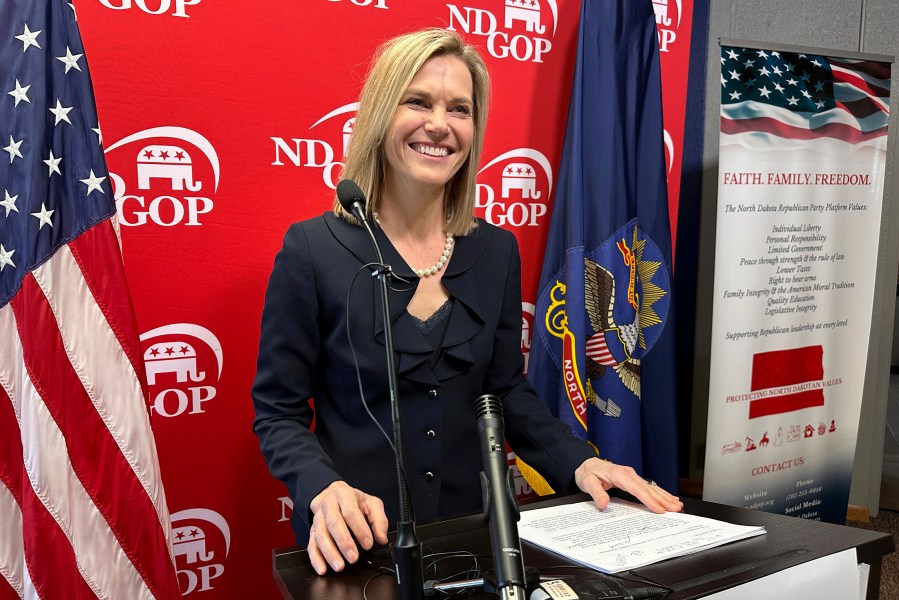
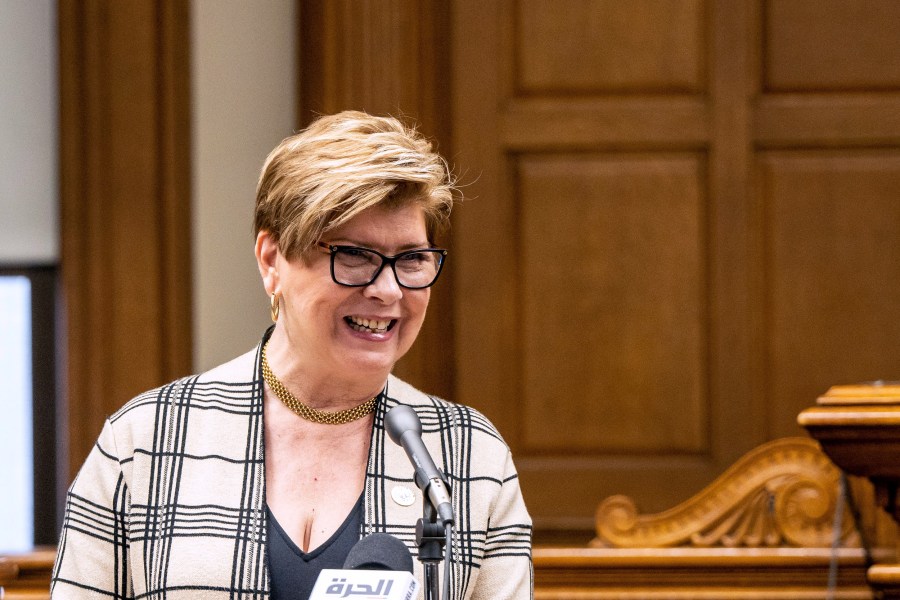
Sarah McBride (D-DE) Delaware state Sen. Sarah McBride won the state’s only House seat Tuesday, making her the first openly transgender person elected to Congress. McBride’s key priorities for her congressional run were expanding access to affordable health care, protecting reproductive rights and increasing the minimum wage. She previously told NBC News that her focus in Congress is working across party lines to break through the partisan gridlock and pass legislation — which she became known for during her time in Delaware’s Senate. During her first term, she helped pass universal paid family and medical leave across the state. Emily Randall (D-WA) Emily Randall, a two-term Washington state senator, will be the first out LGBTQ+ Latina member of Congress, according to NBC News. A former LGBTQ and abortion rights activist, Randall was inspired to run for office following the 2016 election of Donald Trump, according to The Hill. She entered politics in 2018, flipping a Republican-held seat. With her win, Randall broke a 91-year streak of Washington’s 6th district only sending white men to this seat. Yassamin Ansari (D-AZ) Yassamin Ansari is projected to become the first Iranian-American woman to represent Arizona in the House of Representatives, winning the state’s 3rd Congressional district which represents the Phoenix area. At 32, she will be the youngest Democrat woman in the lower chamber. Julie Fedorchak (R-ND) Julie Fedorchak will be the first woman to represent North Dakota in the U.S. House. The Roughrider State is one of two that until Tuesday, never elected a woman to the U.S. House. With Fedorchak’s win, just one state is missing this milestone for women: Mississippi. Nellie Pou (D-NJ) New Jersey state Sen. Nellie Pou, who was picked to replace the late Rep. Bill Pascrell in August, made history as the state’s first Hispanic woman elected to Congress. New Jersey’s 9th Congressional District is deep blue — Joe Biden trounced Donald Trump there in 2020 by 19 percentage points — so Pou had been heavily favored to defeat Republican nominee Billy Prempeh. The 9th District, across the Hudson River from Manhattan, has a large Hispanic population, according to NBC News.
Know Your Value staff Recommended