








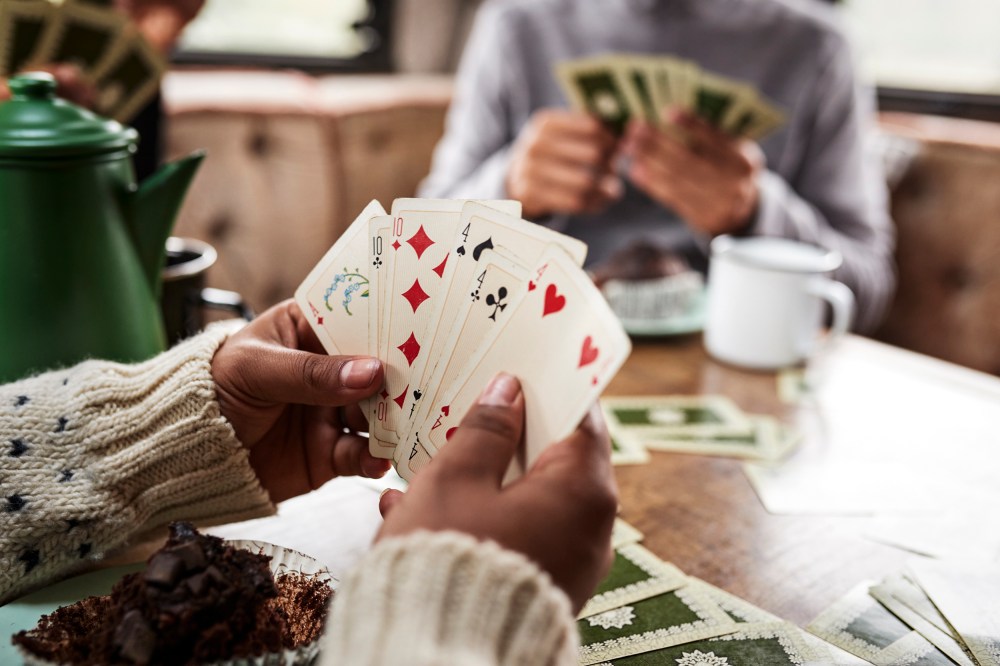
When Jenny Just’s husband brought their 13-year-old daughter home from a tennis lesson back in 2013, he was frustrated. Though their child was a good tennis player, she was just “getting the ball over the net” and not strategizing based on her opponent’s strengths and weaknesses.
“She needs to learn how to play poker,” Just remembered her husband, Matt Hulsizer, saying offhandedly.
Just, who works in financial technology and is one of 23 self-made women billionaires in the United States, couldn’t stop thinking about her husband’s remark. She agreed that poker, which encourages strategy, decision-making and confidence, could teach her daughter how to play to win.
So Just gathered 10 teenage girls, mostly eighth graders, for four 60-minute lessons taught by a local poker player in their hometown just outside of Chicago. The lessons were originally supposed to be just for the teenagers, but their mothers asked if they could learn, too.
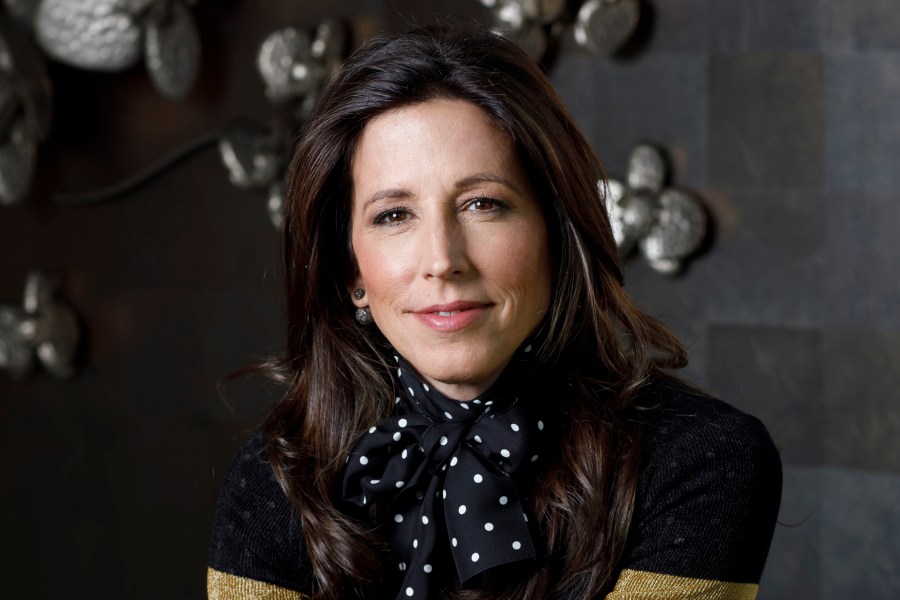
“It was like lightning in a bottle,” said Just, who started her career as an options trader, a position that is dominated by men. She later went into financial technology and now co-owns PEAK6, a global multi-billion-dollar fintech company, with Hulsizer.
In the first lesson, the girls paired up unnecessarily, whispered to each other and shared chips if someone lost. But by the fourth lesson, Just noticed a world of difference. “They’re sitting up tall. They’re barely peeking at their cards. They’re not talking to anybody. And nobody’s taking those chips from them,” she recounted.
To continue the experiment, Just asked a Chicago schoolteacher—and poker enthusiast—to help build a poker curriculum for female high school students in three neighboring states. After the Covid-19 pandemic made in-person games impossible, Just took the program online and created Poker Power, an educational platform for women to learn the game in a safe, non-monetary environment. It features 12 one-hour learning sessions, all taught by women, as well as opportunities to play practice games with other women in the community.
Approximately 10,000 women in 40 countries have gone through the program since Just started it three years ago. She hopes that these women will not only learn the game but also take away valuable lessons that they can use in their careers and personal lives involving risk, money and strategy.
Women are currently estimated to make up only about 5 percent of players in poker rooms. Just wondered, “How would the world be different if half of the people who played poker were women?”

Take risks
Just said that although poker playing was extremely common among other options traders, she also didn’t start playing poker until three years ago: “I just thought it was a ‘guy’ thing to do and a waste-of-time thing to do.”
But when she started playing poker, she said, “They skies opened. I realized I had been playing poker my whole life. I just didn’t know it.”
Her entire career—first in trading and then in building companies—was a gamble. She said, “If you look back at options trading, we lose 40 percent of the time in our trades…all day, every day.” And of the 15 companies Just started or bought, “not all were successes,” and she had to “fold” on a company more than once. The art of taking risks was embedded in Just’s work; playing poker mirrors some of that risk, she explained, allowing women to practice in a safe environment.
Just gave this example: if you take 1,000 college freshmen boys and ask them to sit at a poker table with no prior experience, 995 will sit down. If you ask 1,000 female college freshmen, 995 won’t sit down without prior experience.
“It’s actually the exact reason women need to practice,” Just said. Women need to get comfortable with being uncomfortable, which is why she designed Power Poker to bring together women from all different seniority levels and backgrounds to support one another as they learn.
Use strategy
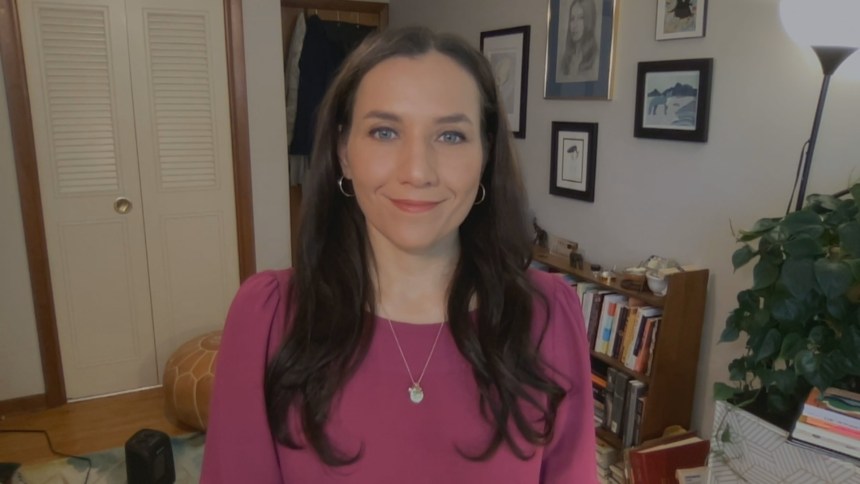
Erin Stafford, Managing Director for DBRS Morningstar, a global credit ratings company, touted strategy as her biggest takeaway from the program. She and three friends began learning the fundamentals of No Limit Hold ‘Em through Poker Power’s virtual program in 2020, and she quickly began practicing in daily community games. Stafford then brought the program to Morningstar’s Women’s Network Employee Resource Group in North America, and Morningstar now offers the program globally.
“There are instances in the business world where it benefits you to make the first move and then there are instances where you want to sit back and collect as much information as possible before you act. This is true based on your seat at the poker table as well. Being able to read the room and recognize when your strategy should shift is really important,” said Stafford. Part of the learning process is becoming comfortable and confident with your strategy, regardless of outcome. You can learn by asking yourself why you made the decision, how you could have made the decision differently and if you would have made the decision differently. “It’s a game of skill, like chess. And we’re playing for something larger than money,” said Just. Women often shy away from discussions of money, which is why Poker Power teaches money skills without using cash. Just stressed that to succeed, “you don’t have to be fluent in money, but you have to be conversational in money.” Women tend to lose out at the negotiation table because many are uncomfortable talking about money, keeping money or making decisions around money. But she pointed out that we do all these things daily without realizing it every single day. Simply by making household or personal purchases or paying rent or a mortgage, “you’re making choices around money every day. We just need to keep that thread going. We need women to know they’re closer to being fluent in money than they believe,” said Just. “Once you start doing this right, this idea of money as a language that women tend to be more fearful of is going to change.” Just urged women and girls to start playing poker early so the idea of “I don’t belong at the table” never enters our thoughts. In the same way that “compound interest” (earning interest on both the money you’ve saved and the interest you’ve earned) is more impactful when you save money early on, the “compound experience” women can accumulate from playing poker is more impactful when you start at a younger age. Just’s daughter, now 16, will soon join her mother for a TedX talk on this very topic later this year. Though Just hopes that the women learn to play to win, she knows that they don’t have much to lose. Even in the worst-case scenario, Just said, “You’re still having a hell of a lot of fun.”
Rosie Colosi, TODAY
Rosie Colosi is a reporter for TODAY Parents. Recommended

Understanding Capital Allocation
Start early to gain “compound experience”
